COMMON

#163 Elfog

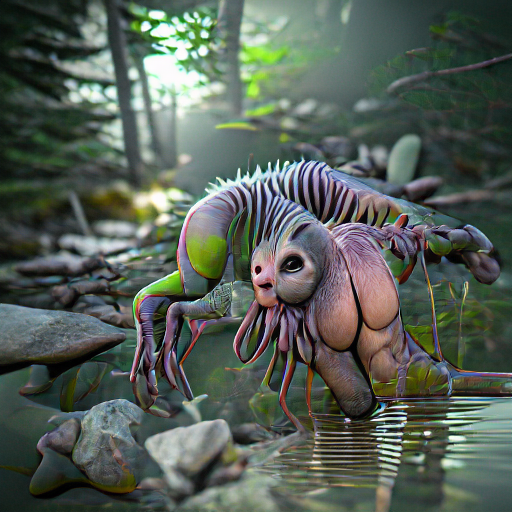
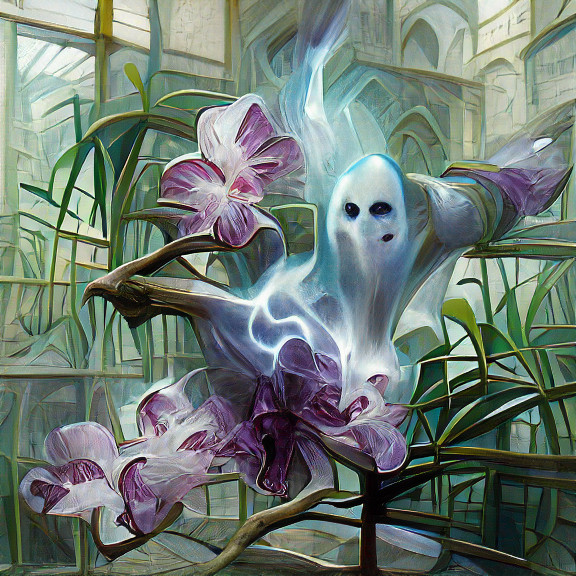
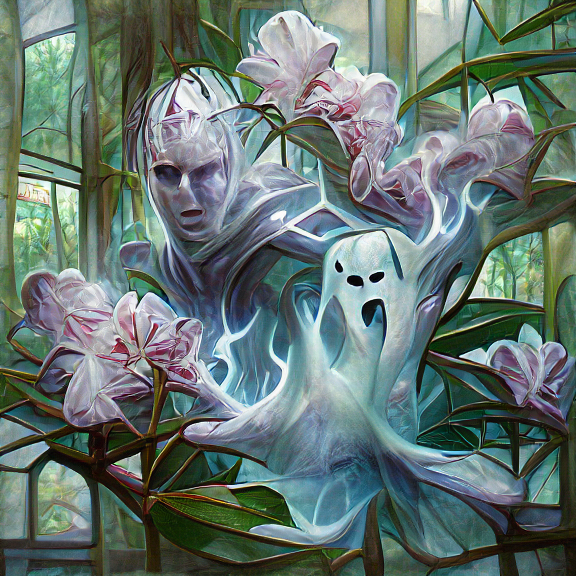
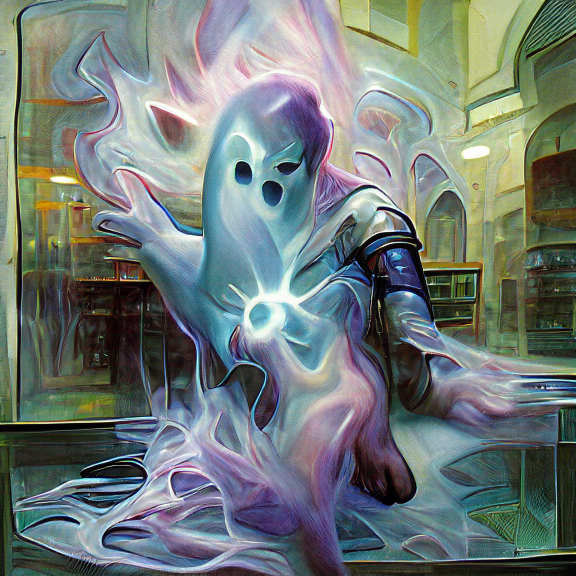
Elfogs largely go unnoticed, as they are composed of aether and are only visible with special goggles. They are particularly fond of flowers and can most often be found in large groups among fields of flowers, although some occasionally stray toward human settlements. Although elfogs typically go unseen, they can be physically felt by those attuned with the spiritual realm and act as a supernatural conduit for those looking to commune with nature.
Found in
Release Date June 08, 2022
Sign up for a free account to claim this creature as your own.

by NovelGens

by NovelGens

Discover other creatures

Explore an endless universe of ficticious life on NovelGens.

UNCOMMON

#026 Oroch

Orochs are more closely related to an octopus or squid than any known spider species, yet are commonly mistaken for spiders. Luckily, their bright-red color serves as a loud warning of how deadly orochs can be due to the way they hunt. Once they'v...

UNCOMMON

#074 Angrenif

Angrenifs are shapeless blobs of living matter that can be found in the deserts of the world. They are extremely resilient and can survive for years without water or food, instead drawing their energy from the heat of the desert. When an angrenif ...

COMMON

#073 Pinbin Snake

Pinbin snakes are totally harmless, almost-friendly creatures. They eat grass, lick rocks for fun, and rarely grow more than a foot long. Their eyes are a delicacy among the rich.

COMMON

#119 Ossl

Ossles are small creatures that are found in warmer tundras. They are about the size of a small cat and resemble a cross between a tortoise and a beetle, albeit with two large, boney antlers that end in sharp claws. Despite their fearsome appearan...

UNCOMMON

#169 Havough

The large havough bird towers above trees, hills, and mountains with its imposing stature. Although havoughs typically fly into outer space to hunt for food, they often prefer to relax for weeks at a time in our atmosphere between meals. Although ...

RARE

#191 Sabbi san

Sabbi san are a phylum of four-legged microscopic tardigrades first described by Austrian zoologist Robby Saab in 2195, who discovered them in a tainted cave water sample. Sabbi sans move quickly in water or on land with a gait that closely resemb...