UNCOMMON

#366 Hastdre

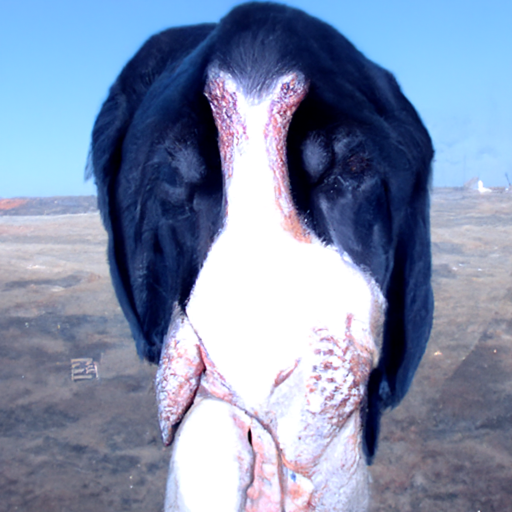
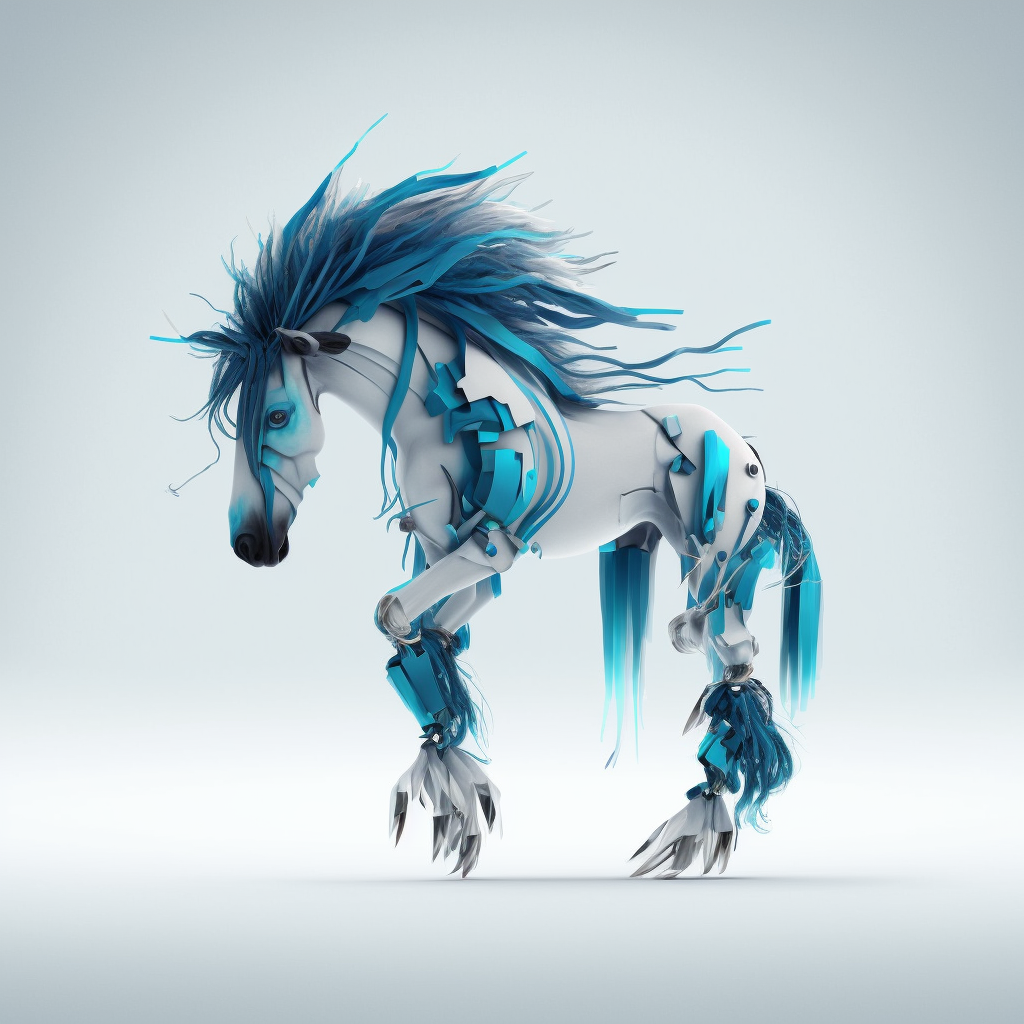
In the furthest reaches of the coldest tundras where visibility reaches near-zero with even your hand right in front of your face, the mechabionic hastdre dominate the area with metallic skin and no need to eat. These hastdre are able to sustain themselves with solar energy, absorbing sunlight through their fiber-optic mane and converting it into energy. Even when intense blizzards block out the sun for days or weeks at a time, hastre will enter a low-energy hibernation mode until their power source is accessible again.

Hastdre are highly intelligent creatures, able to communicate with each other through electronic signals and even able to hack into electronic systems or each other. They are fiercely territorial, protecting their territory with advanced weapons systems built into their bodies. They are also known to be quite aggressive, attacking any intruders on sight.

Despite their metallic exterior, hastdre are not immune to injury and must occasionally repair themselves. They have the ability to regenerate lost limbs and repair damaged areas by consuming metal and other materials to rebuild their bodies.

While the hastdre are primarily solitary creatures, they do form small groups or "packs" during mating season. These groups can consist of up to 10 individuals, and the dominant hastdre will be in charge of defending the territory and leading the pack. The mating process for hastdre is quite elaborate, involving elaborate courtship rituals and displays of strength and intelligence.

Found in
Release Date December 28, 2022
Sign up for a free account to claim this creature as your own.

Discover other creatures

Explore an endless universe of ficticious life on NovelGens.

COMMON

#014 Yogido

Yogidos are eastern mammoth-goat hybrids that can grow to extreme sizes. It's not uncommon for a town to collectively adopt a Yogido, which can provide substantial fur, fuel, and warmth to the town and — in the case of the most well-trained Yogido...

RARE

#179 Zath'og

Zath'ogs are a small, muscular species of warm-blooded reptile. Their skin is a dark green and rough, with microscopic scales all over their body. They are often found in groups of ten or more, communicating through telepathy. They usually eat mea...

COMMON

#146 Forsydifs

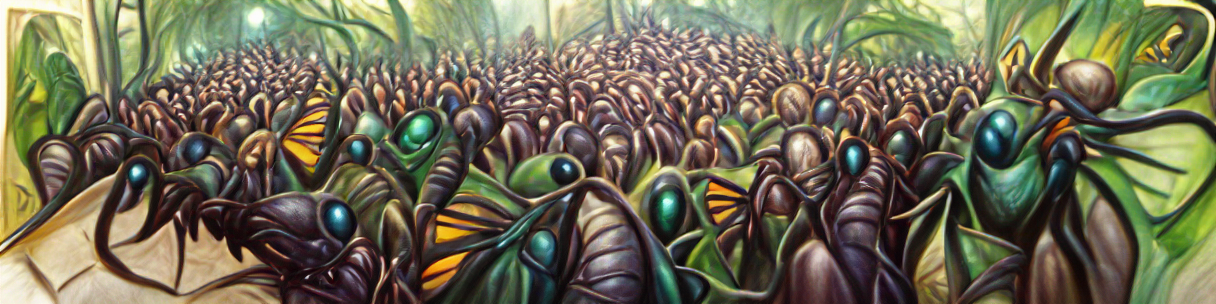
Forsydifs are a variant of ant that has evolved to live on the backs of humanoids, from whom they eat dead skin cells. They spend most of their lives crawling between the dermis and epidermis of their hosts and are capable of surviving on just dea...

UNCOMMON

#131 Phembluf

Phemblufs are large, blue fish that live in the deeper, frozen parts of the northern oceans. Phemblufs average two to three feet long and have a long black, snout with a mouth full of razor-sharp teeth that can drill through ice with ease. Phemblu...

RARE

#082 SLP-001

SLP-001 is the codename for the first viable new species designed at the [redacted] facility in [redacted], Virginia. Copies of SLP-001 have a bright, orange skin designed to be easily seen in low-light conditions, and eight octopus-like arms that...

COMMON

#163 Elfog

Elfogs largely go unnoticed, as they are composed of aether and are only visible with special goggles. They are particularly fond of flowers and can most often be found in large groups among fields of flowers, although some occasionally stray towa...