COMMON

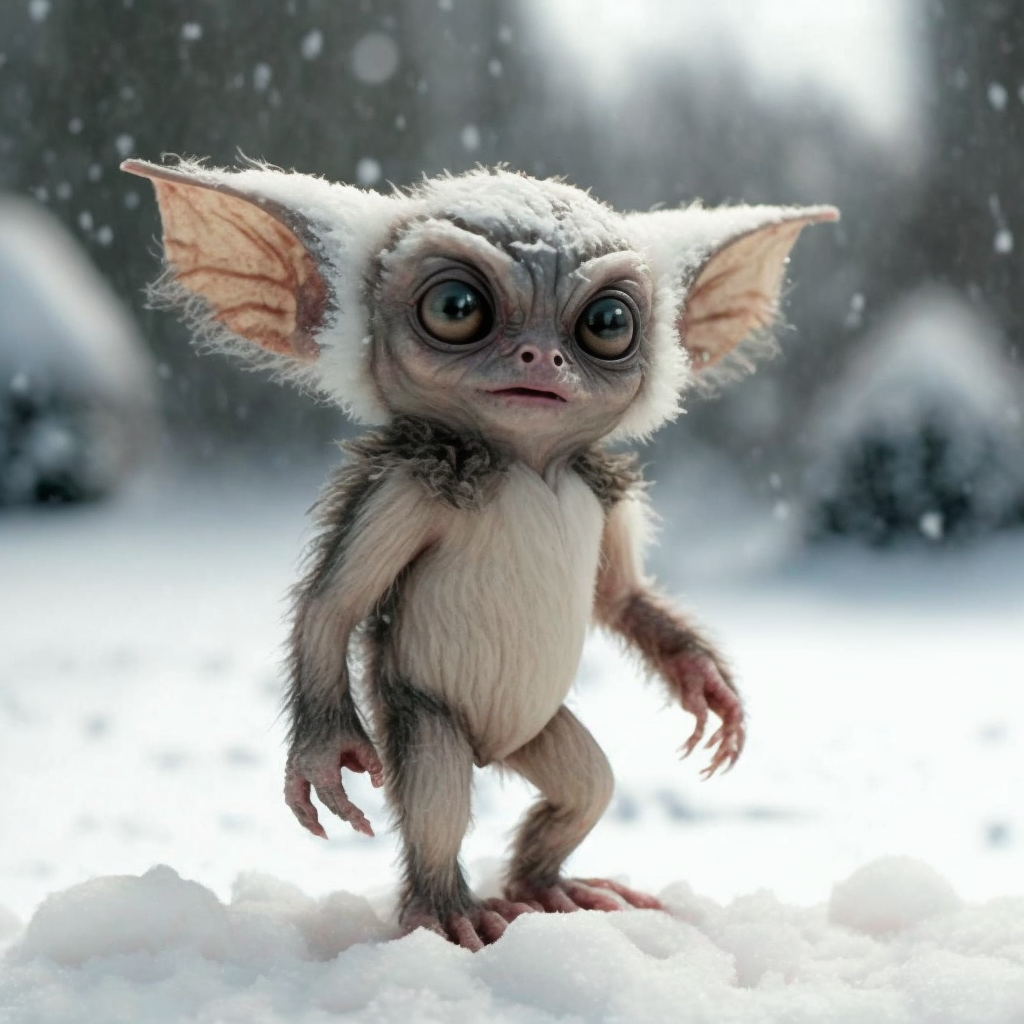
#003 Scrut

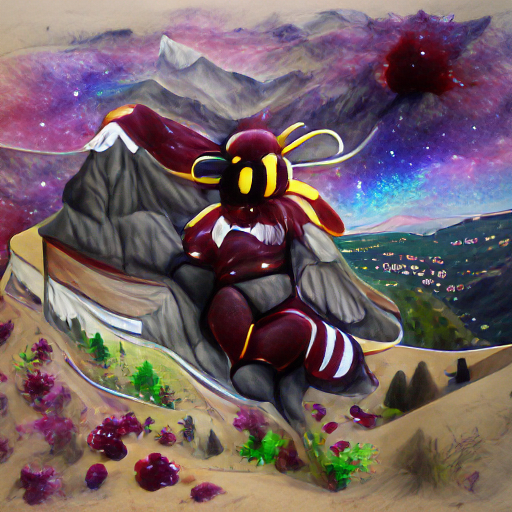
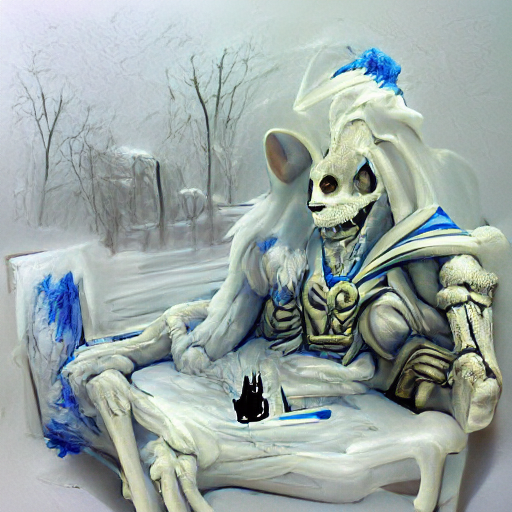
Scruts live in the deep north, where they burrow long distances through snow and dirt in search of their next meal. They secrete a natural, sticky antifreeze through their fur which prevents their small bodies from freezing. Although they live largely-vegetarian lives, they have been known to eat whatever happens to be available when starving.

Release Date December 20, 2021
Sign up for a free account to claim this creature as your own.

Discover other creatures

Explore an endless universe of ficticious life on NovelGens.
COMMON

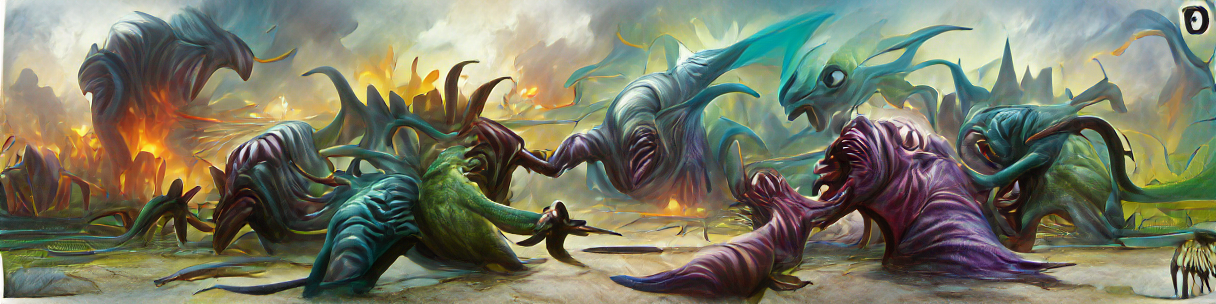
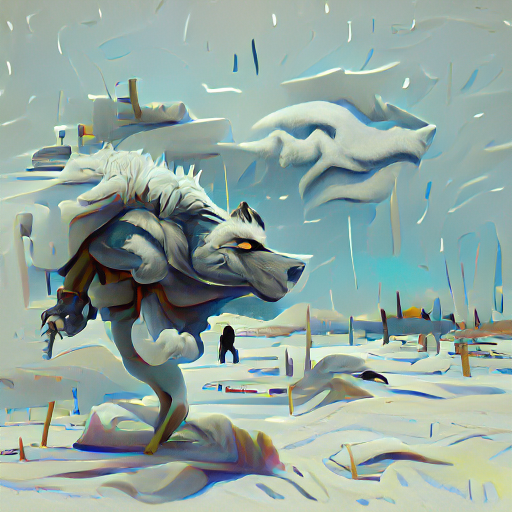
#065 Aetyl Squid

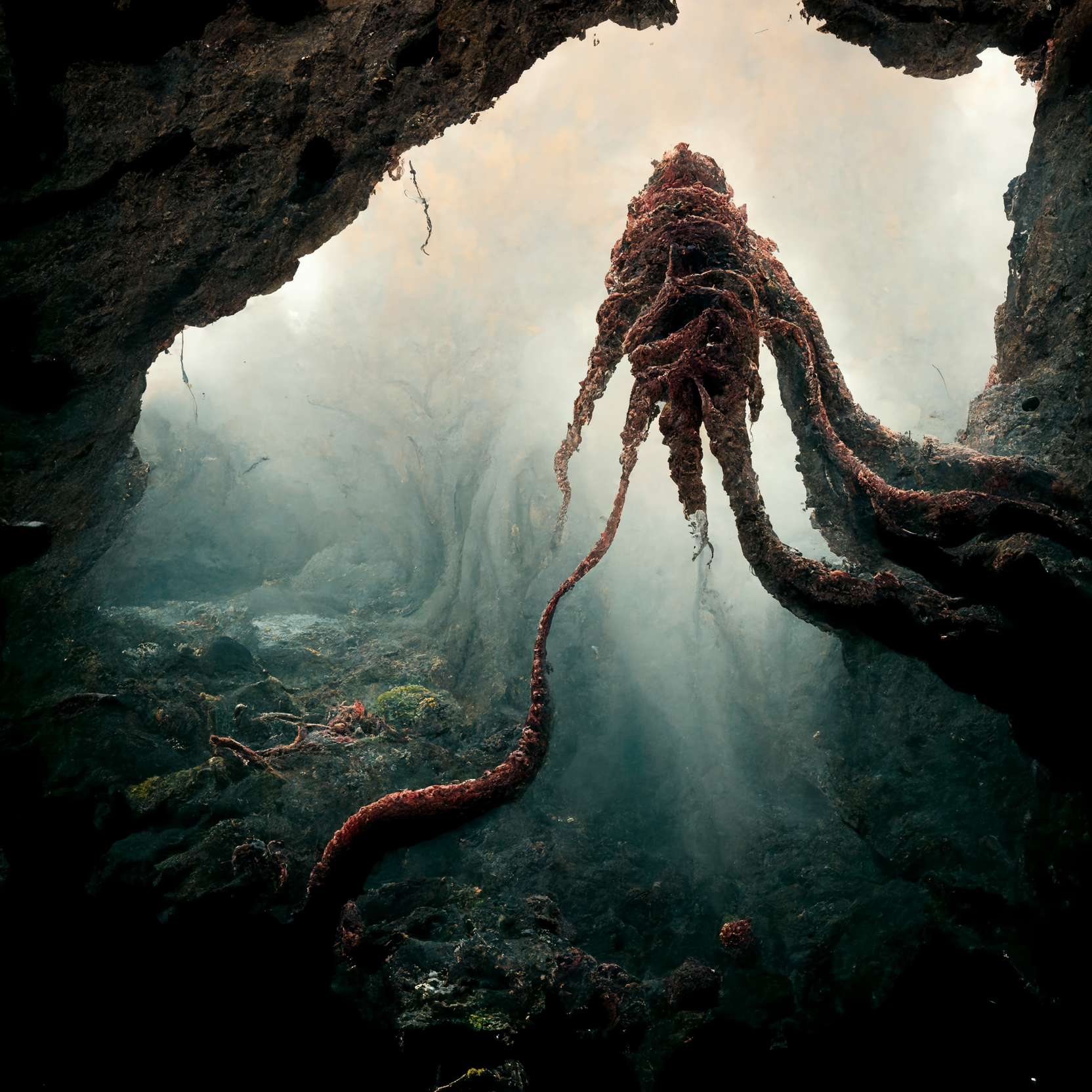
Aetyl squids swim through sand like their aquatic cousins do through water. They survive off a primarily-meat diet that are captured either by trap or a surprise emergence from the sand, dragging their prey back underground. The aetyl squid also m...

RARE

#083 Weretree

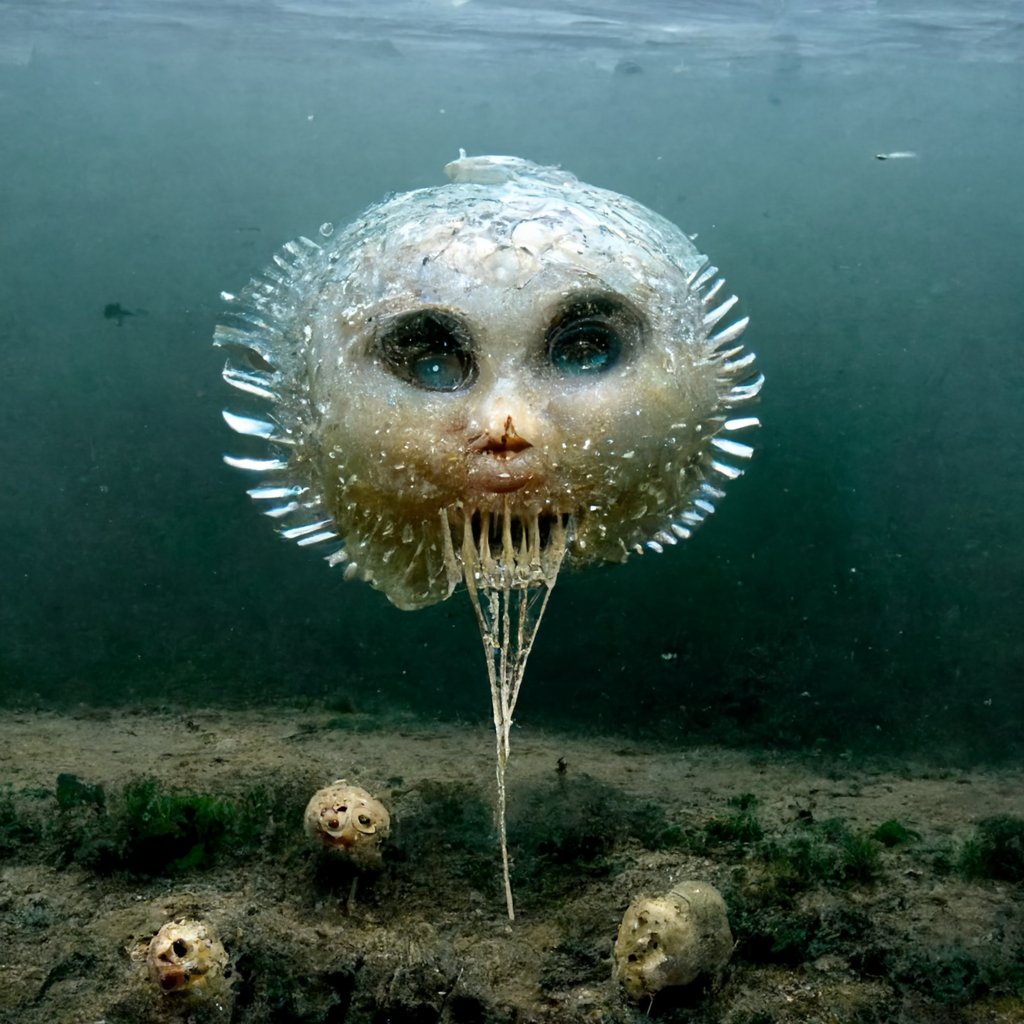
When a werebeing sheds blood into groundwater, in some rare cases a nearby tree may absorb it and transform into a weretree. After around six weeks of transformation time, the weretree's bark feels rubbery; the branches grow large, meaty muscles; ...

UNCOMMON

#276 Vuvegge

Vuvegges are small insects common to forests and jungles that don't develop a sense of sight until a late stage of life. During their early "formative" years, vuvegges use their large eyeballs as sacs to store additional food or resources. Vuve...

COMMON

#213 Midenikó

Midenikó are an ancient race of extradimensional shadow creatures that are capable of tunneling through time, space, and æther. Because they have so much time and space to play in, the odds of any one person seeing a midenikó in their lifetime are...

UNCOMMON

#297 Kensix

Kensixes are large, nocturnal reptiles that live in the desert. They are about the size of a car, and have a thick exoshell of chitin which protects them from the sun's rays as well as any physical attacks. To hunt, a kensix will use their deft le...

RARE

#322 Ungarmel

When a creature is near, an ungarmel on the prowl will curl up in a ball and hover above the ground, doing its best to blend in with the environment in order to catch its prey unaware. When the time is right, the ungarmel will attack by releasing ...