RARE

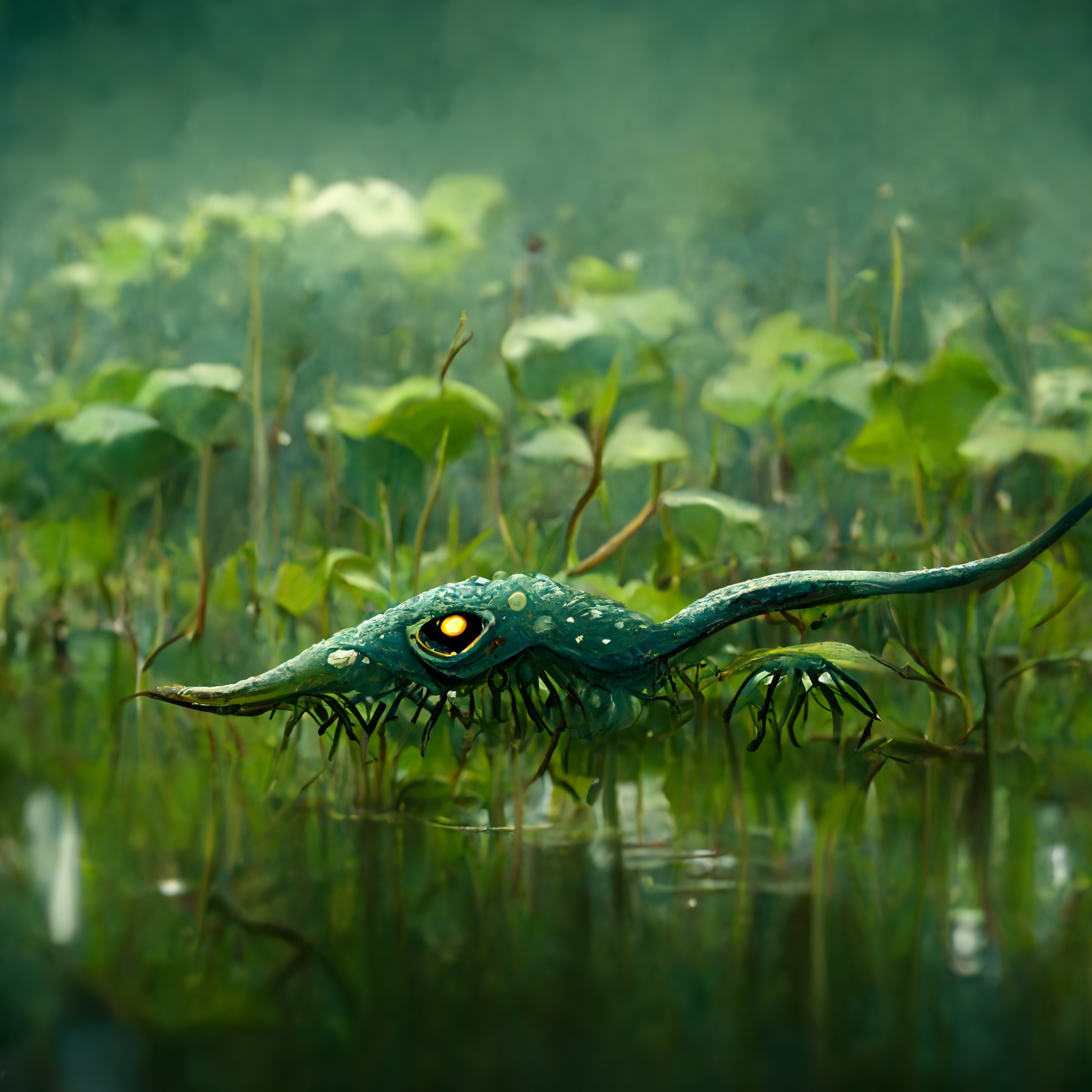
#222 Oltang

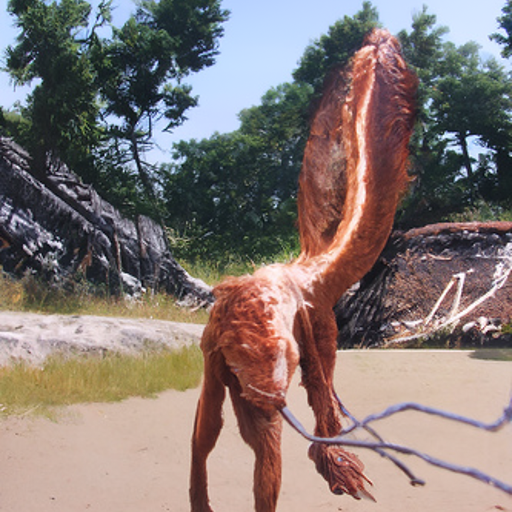
The oltang is a large, green, lizard-like creature that inhabits the swamps and wetlands of Oorzh. Being mostly aquatic, the oltang usually only comes to land when it is voluntarily wanting to shed its skin. The oltang has a long, constantly-shaking tail that produces an electrical current. When a predator or a new potential mate approaches, the oltang will raise its tail high above its head and then slam it down; if the creature is a potential mate, the electrical current will cause an explosion of green sparkles. If the creature is a predator, the shock will usually ward it off.

Release Date August 06, 2022
Sign up for a free account to claim this creature as your own.

Discover other creatures

Explore an endless universe of ficticious life on NovelGens.
RARE

#097 Whalewalker

These hulking creatures once dominated the long-lost oceans. As the heat wave intensified and oceans began to evaporate, the first whalewalker ancestors adapted their way onto land. Whalewalkers lay down and open their gigantic mouth, then remain ...

COMMON

#136 Bruvnur

Bruvnurs are large, black-and-white mammals that have demonstrated a high level of intelligence and inter-species communication. They are reknowned for their ability to quickly learn and take orders. In the wild, they are usually found in large gr...

RARE

#106 Sidjif

The sidjif is a large, snakelike creature that is commonly used as a mount for the orcs and goblins of the world. Their massive bodies can grow up to 60 feet in length, and are powerful and muscular enough to support the weight of ten riders. They...

COMMON

#050 Mahaman

Mahaman that are humanoid birds that exist partially outside of time, which manifests visually with the eponymously-named phenomenon mahamans are known for: superpositions of their body in several simultaneous slices of time appear in tandem to ot...

COMMON

#090 Ekkast

The ekkast is a vicious creature that moves on eight legs but can slither through loose ground like a snake, and often feasts on large mammals. While young ekkasts are small enough to use natural rock structures for protection, the adult ekkasts b...

RARE

#083 Weretree

When a werebeing sheds blood into groundwater, in some rare cases a nearby tree may absorb it and transform into a weretree. After around six weeks of transformation time, the weretree's bark feels rubbery; the branches grow large, meaty muscles; ...