COMMON

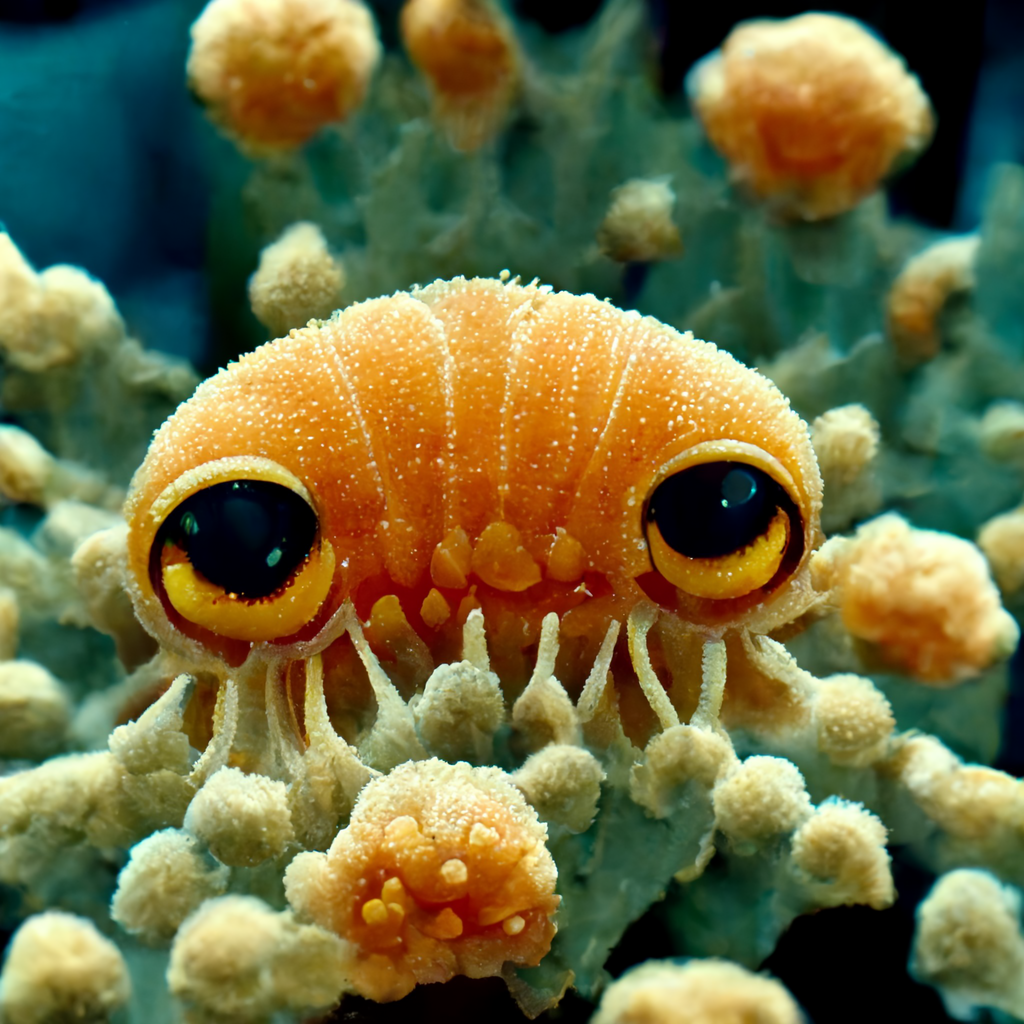
#178 Xi'gind

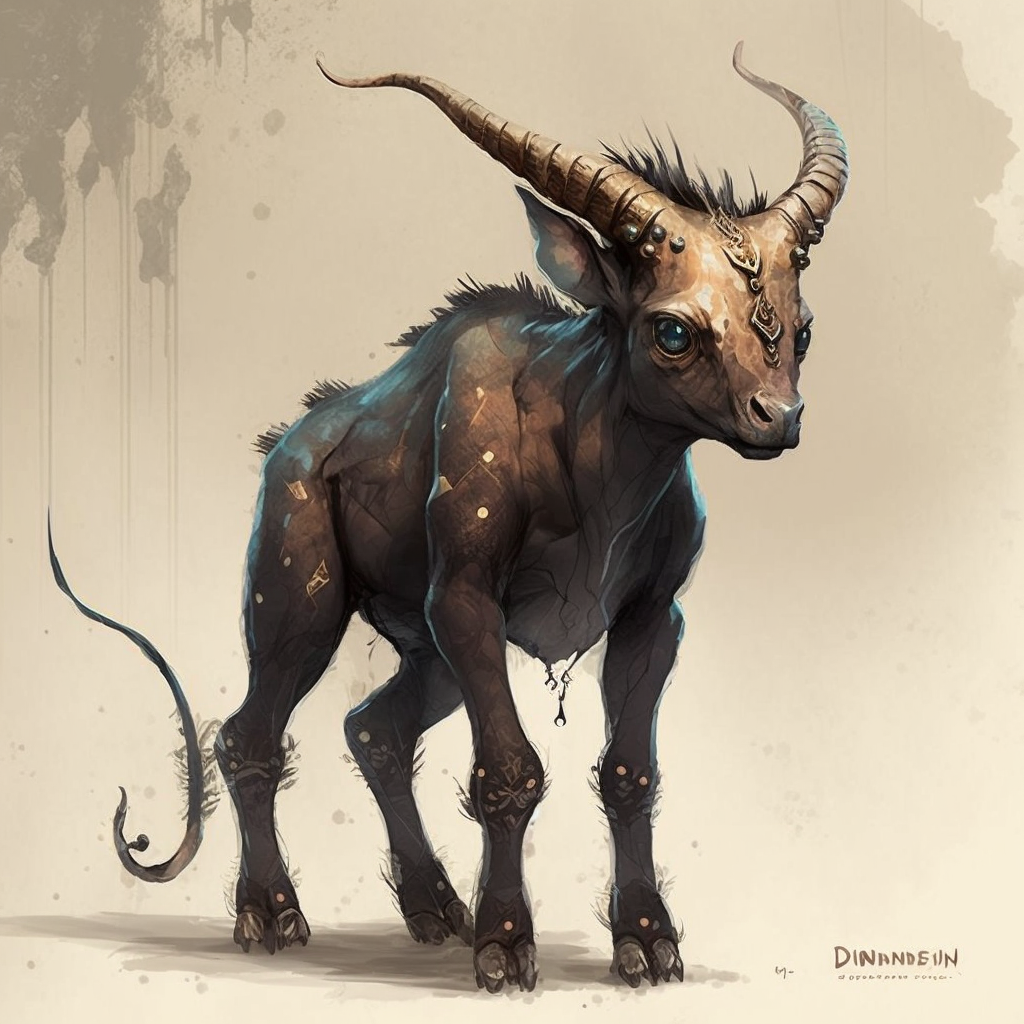
The xi'gind is an unintelligent creature that shares more DNA with terrestrial flora than fauna. A single xi bulb, given the proper care and environment, can sprout a newborn xi'gind within a matter of weeks. Although the xi'gind head then grows vertically out of the soil, xi'ginds also accelerate root-like growth of fleshy appendages that can grow from the ground over a hundred yards away. It is currently unknown how the xi'gind controls these remote appendages, as they don't seem to share a physical connection with the head.

Found in
Tags
Release Date June 23, 2022
Sign up for a free account to claim this creature as your own.

Discover other creatures

Explore an endless universe of ficticious life on NovelGens.
COMMON

#038 Gyrom

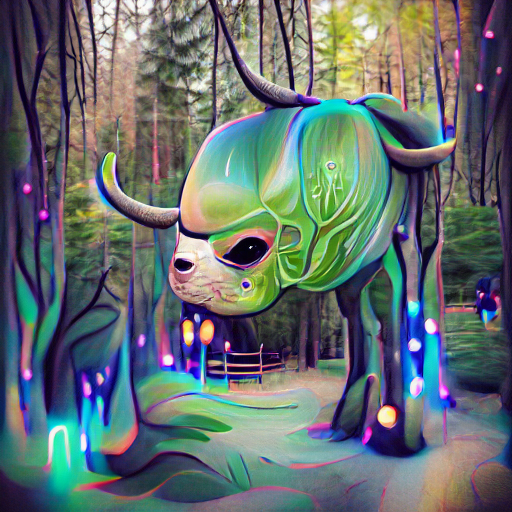
Gyroms are genetically-engineered giraffe variants that not only have significantly more fat and muscle, but also produce a thin protein film on their skin that absorbs back into the meat to ultimately provide more than double the protein per poun...

UNCOMMON

#019 Braggen

Braggens are large, blue birds that are known for their ability to fly extremely fast. They are very difficult to catch and can be found most often in forests following a wildfire. Braggens are extremely intelligent and can communicate with humans...

COMMON

#173 Alu'fiku

Alu'fiku are reef-dwelling fish most notable for their false "dorsal eye", which remains open while they sleep to help deter smaller predators. This is particularly helpful for alu'fiku because they sleep in open waters, coasting forward as if swi...

COMMON

#283 Dukrok

Dukroks are desert-dwelling birds that come in brown, black, and grey variants. They have long, thin legs and use their beaks like pickaxes to mine for insects in the sand. The dukrok will sometimes bury itself in the sand and wait for prey to com...

UNCOMMON

#210 Meldor

As the national animal of a small, farmer-run republic on their planet, the meldor is a peaceful and generally friendly creature that can be found minding its own business around the fields and forests of the region. While their legs have lost the...

UNCOMMON

#284 Senjfisk

Senjfisk use thousands of microscopic limbs to move sand around them, enabling them to effectively swim through sand and loose dirt. These nocturnal carnivores also undergo a biological stasis while sleeping, which completely stops all but their m...