RARE

#286 Zuggar

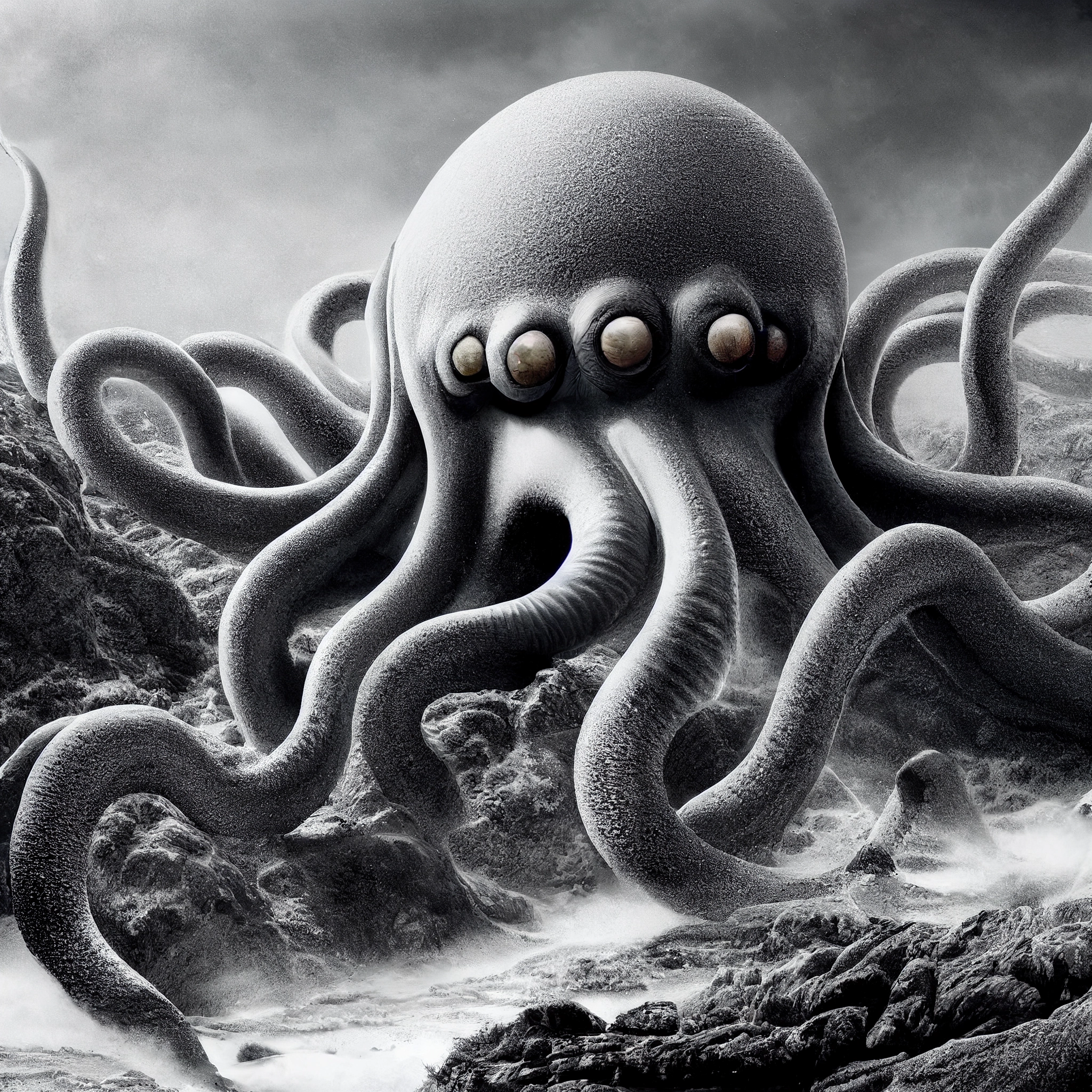
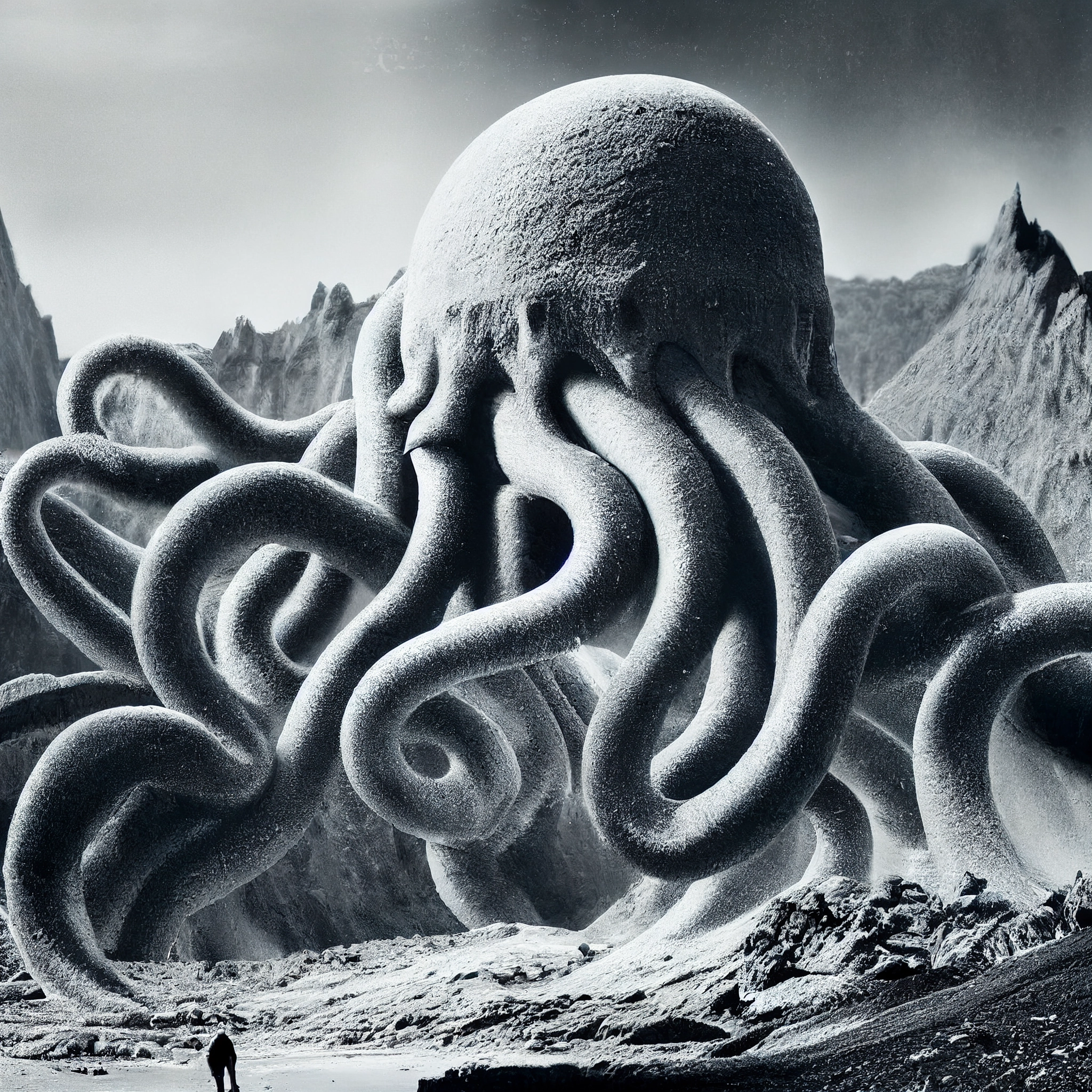
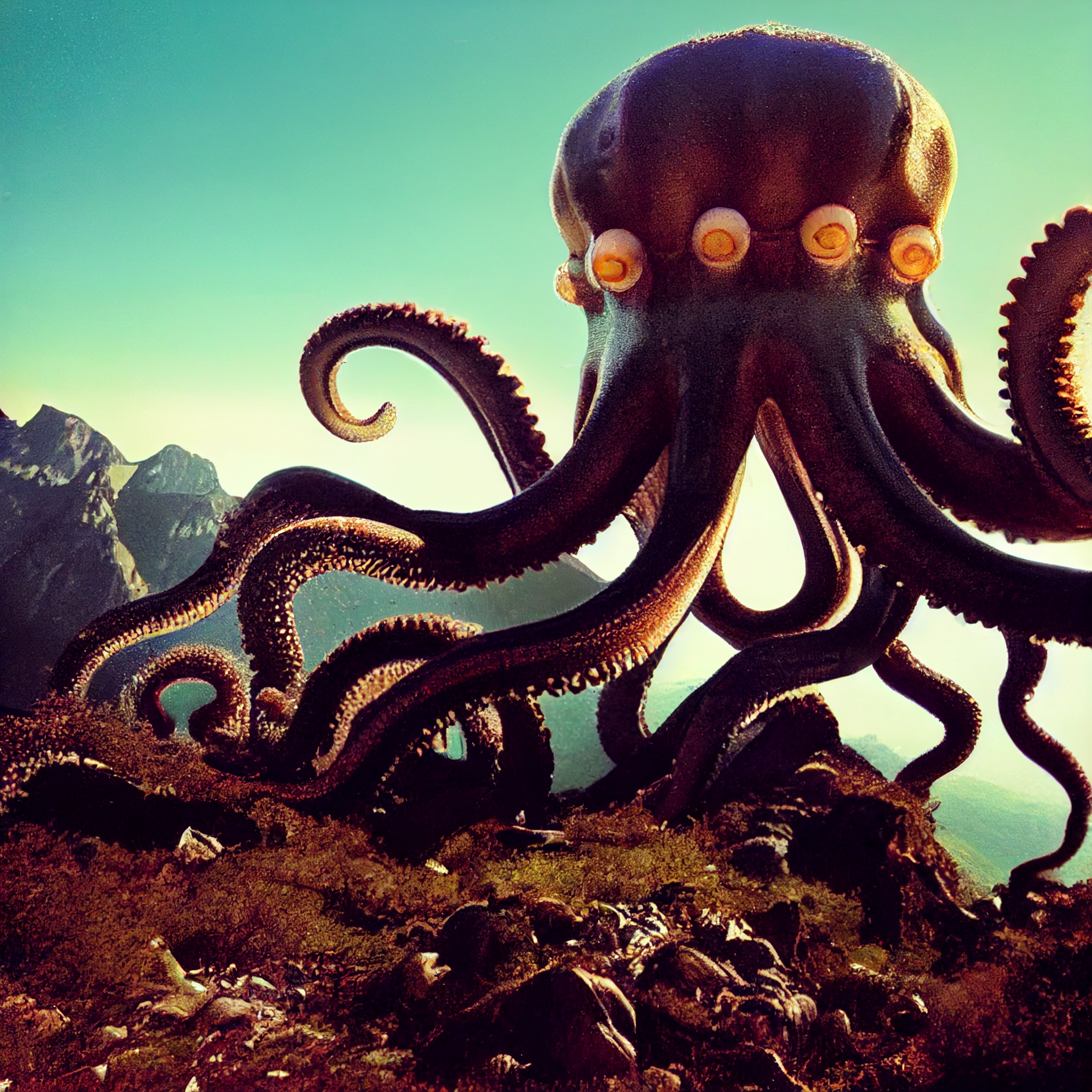
Zuggars are enormous, tentacled abominations from an unknown origin. Zuggars survive by scooping up giant mountains and slowly digesting the rock formations. After a zuggar finishes eating, it floats to the next mountain and begins the process again. Zuggars have been known to destroy entire continents in their lifetimes and are theorized to be capable of devouring entire planets.
Release Date October 09, 2022
Sign up for a free account to claim this creature as your own.

by NovelGens

by NovelGens

Discover other creatures

Explore an endless universe of ficticious life on NovelGens.
COMMON

#116 Nitenel

Nitenel are large, gentle creatures when domesticated. They have four heads, six folding wings, and a long, whip-like tail. They have no arms. Their eyes are a piercing red that contrasts their blue feathers beautifully; their beaks are small and ...

RARE

#186 Jaunwix

The rare jaunwix is a hypermaterial metafeline whose origins are unknown. This creature's body flows like water, babbling through brooks and trickling through crevasses like a river, filling whatever space is available. This unstable shape takes t...

COMMON

#121 Etorgidur

Etorgidurs are some of the largest creatures in the world, reaching heights of up to 100,000 feet. They are very closely related to the fabled etorgs in origin, but take a more ghostly, ethereal form and largely ignore all other forms of life. ...

COMMON

#053 Electrofly

Electroflies are gaseous clusters of friendly, intelligent sublife that often physically get caught in airwave currents or magnetic fields, scattering the cluster in a perpetual cycle of trying to reform the cluster's desired shape and structure, ...

UNCOMMON

#184 Urk

Urks are enormous creatures that look like a cross between a turtle and a dolphin. They have strong, boney shells and powerful fins they use to propel themselves through the water. Their shells also contain thousands of chitinous pearls, and they ...

RARE

#191 Sabbi san

Sabbi san are a phylum of four-legged microscopic tardigrades first described by Austrian zoologist Robby Saab in 2195, who discovered them in a tainted cave water sample. Sabbi sans move quickly in water or on land with a gait that closely resemb...