UNCOMMON

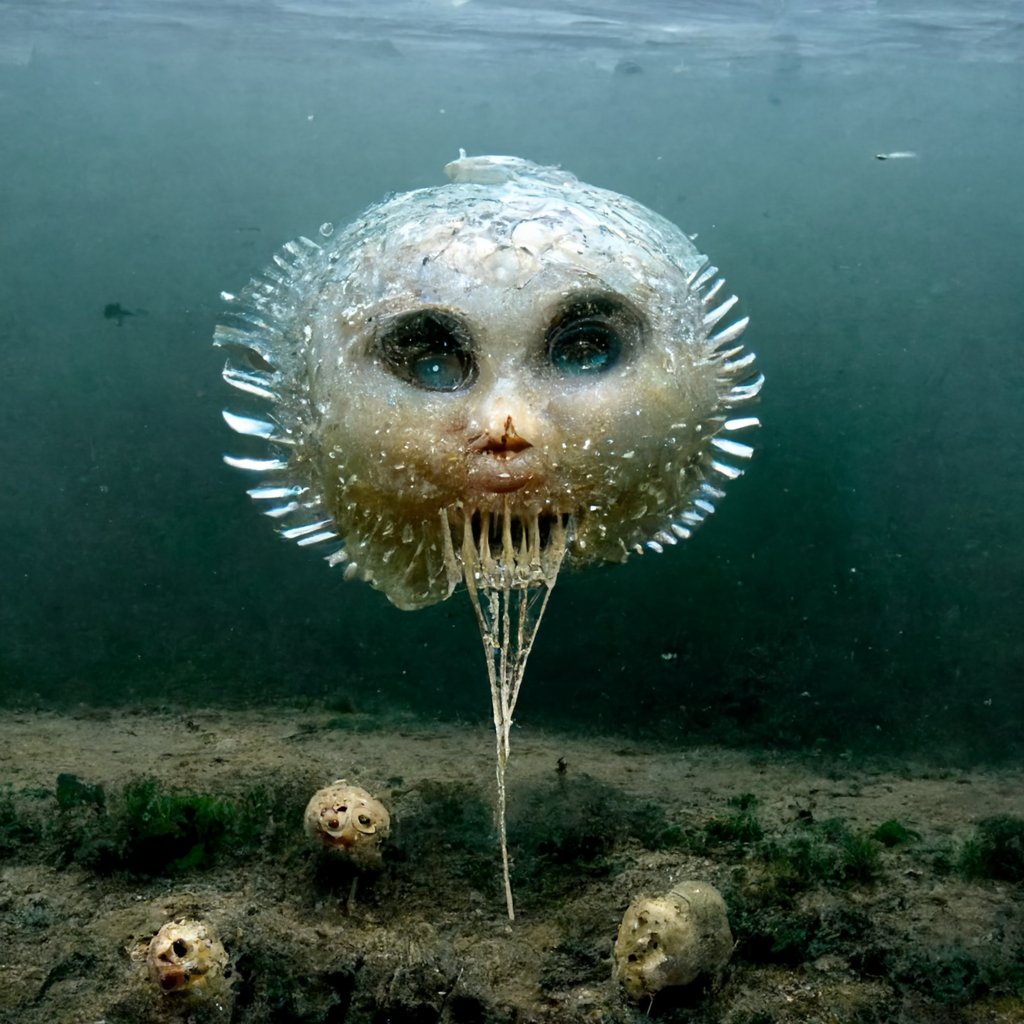
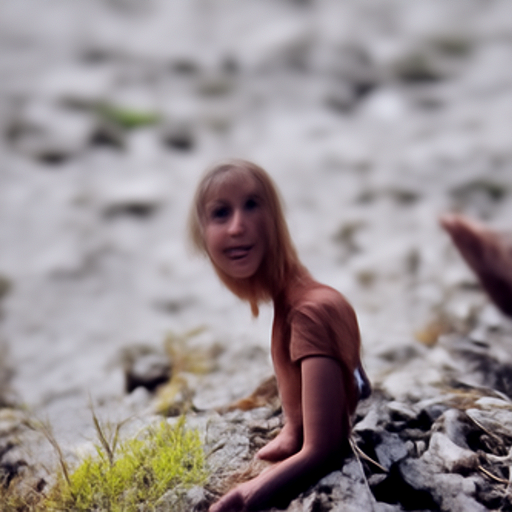
#098 Amber

Ambers are the bane of a sailor's life and have driven many towns inland, away from the waters. After emerging from most sandy shorelines at night, they sit quietly upon rocks, physically reflecting picturesque faces from your most haunting memories.

Release Date April 04, 2022
Sign up for a free account to claim this creature as your own.

Discover other creatures

Explore an endless universe of ficticious life on NovelGens.

UNCOMMON

#005 Thabu

Thabus are hulking creatures of ancient history that have survived over time by melding with mountains and hibernating. They awake every thousand or so years to see if the world is a better place, but a thabu invariably goes back to sleep after ea...

UNCOMMON

#131 Phembluf

Phemblufs are large, blue fish that live in the deeper, frozen parts of the northern oceans. Phemblufs average two to three feet long and have a long black, snout with a mouth full of razor-sharp teeth that can drill through ice with ease. Phemblu...

RARE

#087 Red-eyed Deepsquid

It's a rare occurrence for a red-eyed deepsquid to wash ashore, but certain coasts make a habit of it more often than others. It is unclear how the beached deepsquids we've seen have died, nor is it clear where in the deep oceans they call home. D...

COMMON

#163 Elfog

Elfogs largely go unnoticed, as they are composed of aether and are only visible with special goggles. They are particularly fond of flowers and can most often be found in large groups among fields of flowers, although some occasionally stray towa...

COMMON

#147 Herling

The herling is a small bird about the size of a housecat. They are mostly harmless, but are often pests because of their tendency to steal and hoard shiny objects. A herling will take any object that catches their eye, including jewelry, coins, pe...

COMMON

#307 Kubup

Kubups are brightly-colored arboreal creatures that can jump up to 100 feet high. They are an important part of forest ecosystems, as they feed on dead tree leaves and recycle them into nutrients for the trees. They typically climb to the very top...