COMMON

#323 Aboccaria

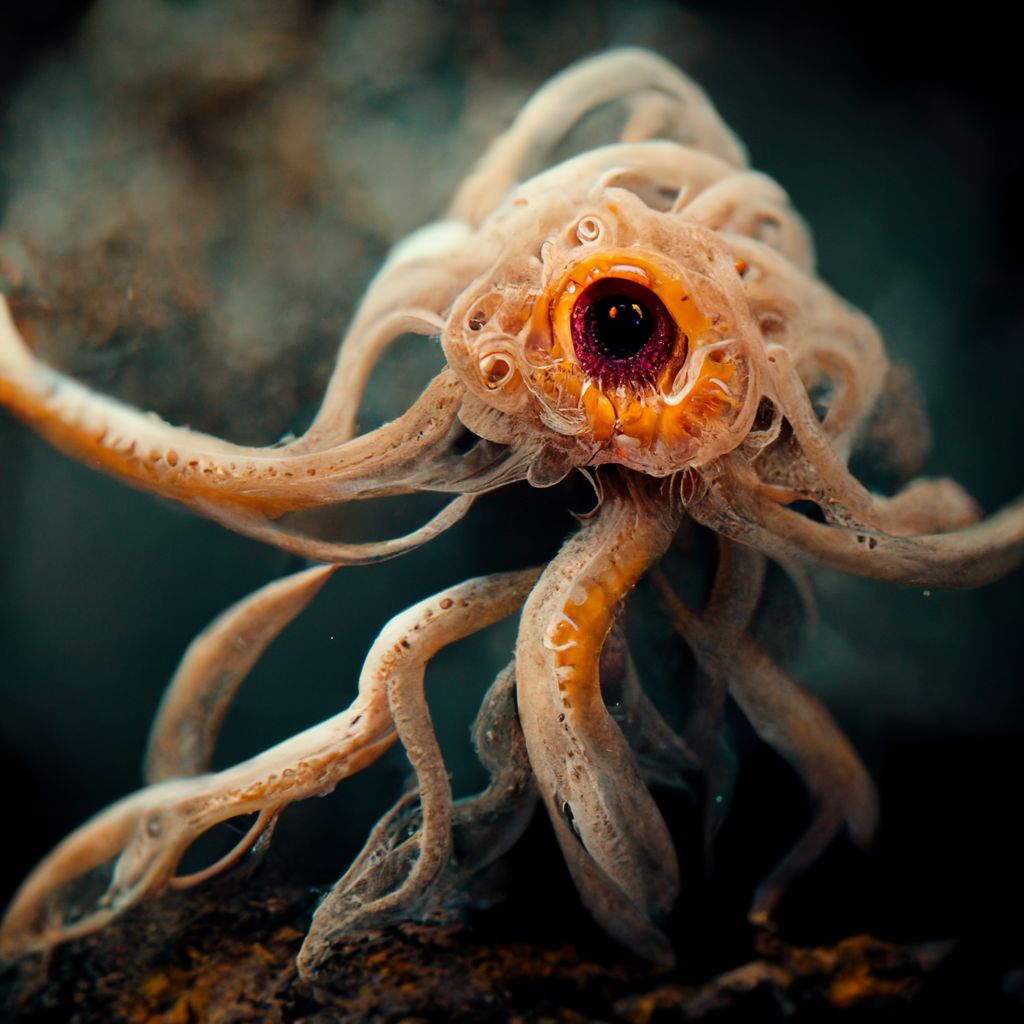
Aboccarias are shapeshifting, sentient blobs that can be found on water-covered worlds. They are about the size of a small house and eat all of the life forms that live in their body of water. They can grow several times larger in the spring due to their ability to absorb the DNA of all of the creatures that they eat. They have been known to control the minds of surrounding creatures and will often lure them into their bodies.

Tags
Release Date November 15, 2022
Sign up for a free account to claim this creature as your own.

Discover other creatures

Explore an endless universe of ficticious life on NovelGens.

UNCOMMON

#007 Merm

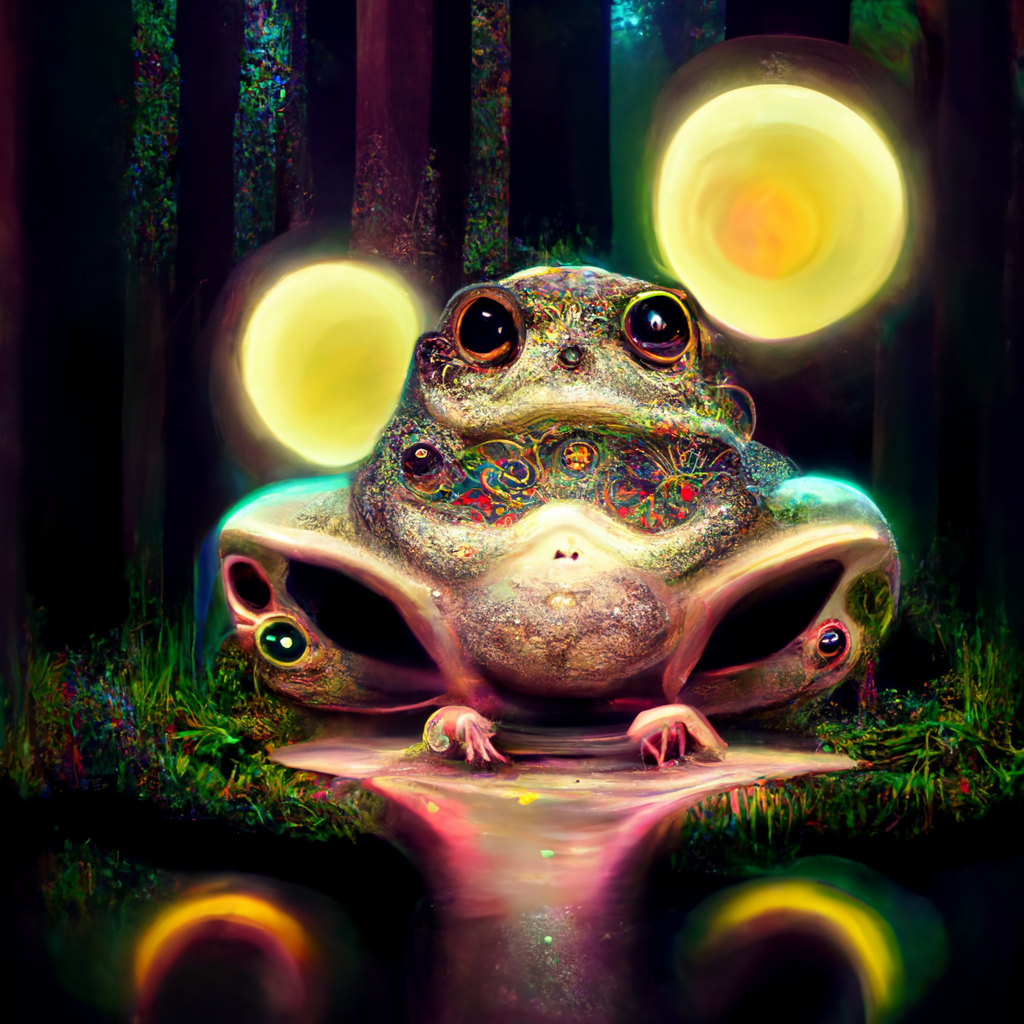
Merms live in small groups, typically in the deepest reaches of the western oceans. They seem closely related to a potential aquatic fork of human evolution, but scientists haven't yet developed a way to communicate with them.

UNCOMMON

#027 Mipurd Ballow

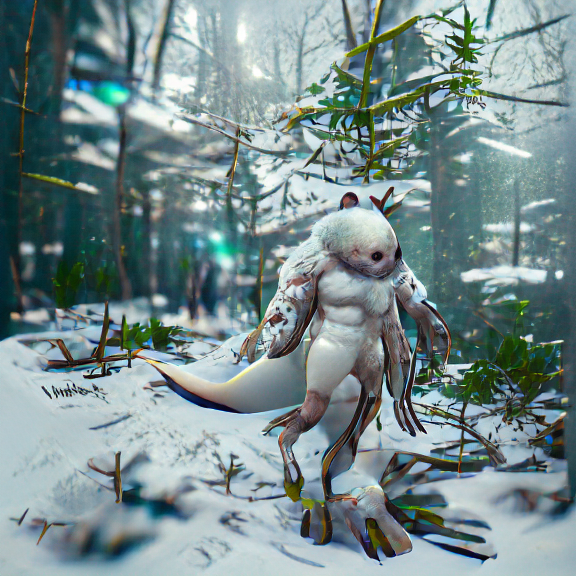
Mipurd Ballows are a small, primitive species of salamander that are found in the deepest cavities of melting ice sheets. They are extremely hardy and can survive in almost any environment, but they are slow-moving and are often considered weak by...

RARE

#186 Jaunwix

The rare jaunwix is a hypermaterial metafeline whose origins are unknown. This creature's body flows like water, babbling through brooks and trickling through crevasses like a river, filling whatever space is available. This unstable shape takes t...

RARE

#083 Weretree

When a werebeing sheds blood into groundwater, in some rare cases a nearby tree may absorb it and transform into a weretree. After around six weeks of transformation time, the weretree's bark feels rubbery; the branches grow large, meaty muscles; ...

COMMON

#263 Vindsmen

After the devastating CK-295 meteor impact, what little life survived on planet P-192-856B had to radically evolve in order to survive the planet's new radioactive atmosphere. Vindsmen were once a variant of the common earth ape whose DNA began t...

UNCOMMON

#284 Senjfisk

Senjfisk use thousands of microscopic limbs to move sand around them, enabling them to effectively swim through sand and loose dirt. These nocturnal carnivores also undergo a biological stasis while sleeping, which completely stops all but their m...