UNCOMMON

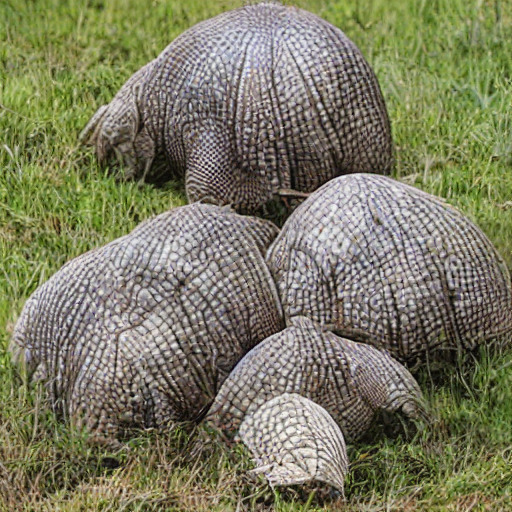
#159 Elephant Turtles

Elephant turtles are the aft-named cross-breed between the ancient African elephant and the gorgola turtle. Rather than growing a shell, elephant turtles take on more of a blob shape, covered in thick, unbreakable scales that resemble elephant skin. Elephant turtles are often bred in smaller villages for their high meat ratio and sturdy scales.

Found in
Release Date June 04, 2022
Sign up for a free account to claim this creature as your own.

Discover other creatures

Explore an endless universe of ficticious life on NovelGens.
UNCOMMON

#029 Chreish

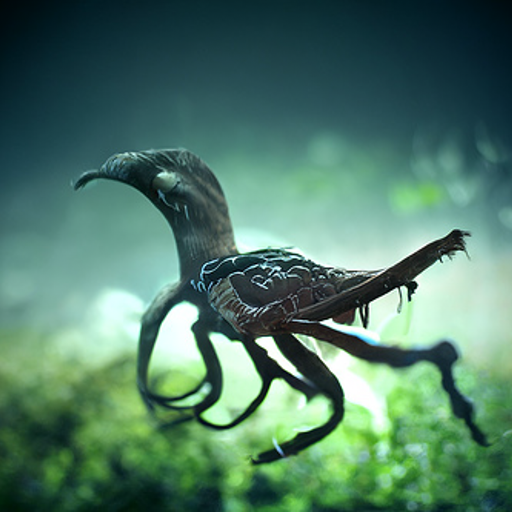
Chreish are sprawling, shapeless creatures that lack the traditional skin and body of most creatures. Instead, they grow long, entwined limbs of pure hair which act like roots to leech nutrients from the plants and soil they crawl over. They shed ...

UNCOMMON

#169 Havough

The large havough bird towers above trees, hills, and mountains with its imposing stature. Although havoughs typically fly into outer space to hunt for food, they often prefer to relax for weeks at a time in our atmosphere between meals. Although ...

UNCOMMON

#249 Esailei

Esaileis are large, carnivorous reptiles that live in mountains. They have a strong bite that allows them to crush bones, and they are capable of climbing steep cliffs with ease. They are very difficult to train, but if a human succeeds in this en...

RARE

#325 Rakiviz

The rakiviz is a large bird about the size of a human. They are covered in a thick layer of white feathers and have two muscular legs, each of which has up to ten talons. The rakiviz is usually docile, but when a full moon rises, they will cease a...

RARE

#372 Alalalalamba

The fearsome alalalalamba has a louder bark than bite, although it can do neither as a toothless mollusk at the bottom of the ocean. Alalalalambas use their immense size to intimidate would-be predators and scare prey into a paralytic submission. ...

UNIQUE

#374 Panileaf

A rare incubating leaf. When hatched, it's roots suck up all the nutrients in the soil and destroys the plants around it. These plants hatch a hundred years after they are taken out of their mother plant. The size of the leaves depends on how fa...