COMMON

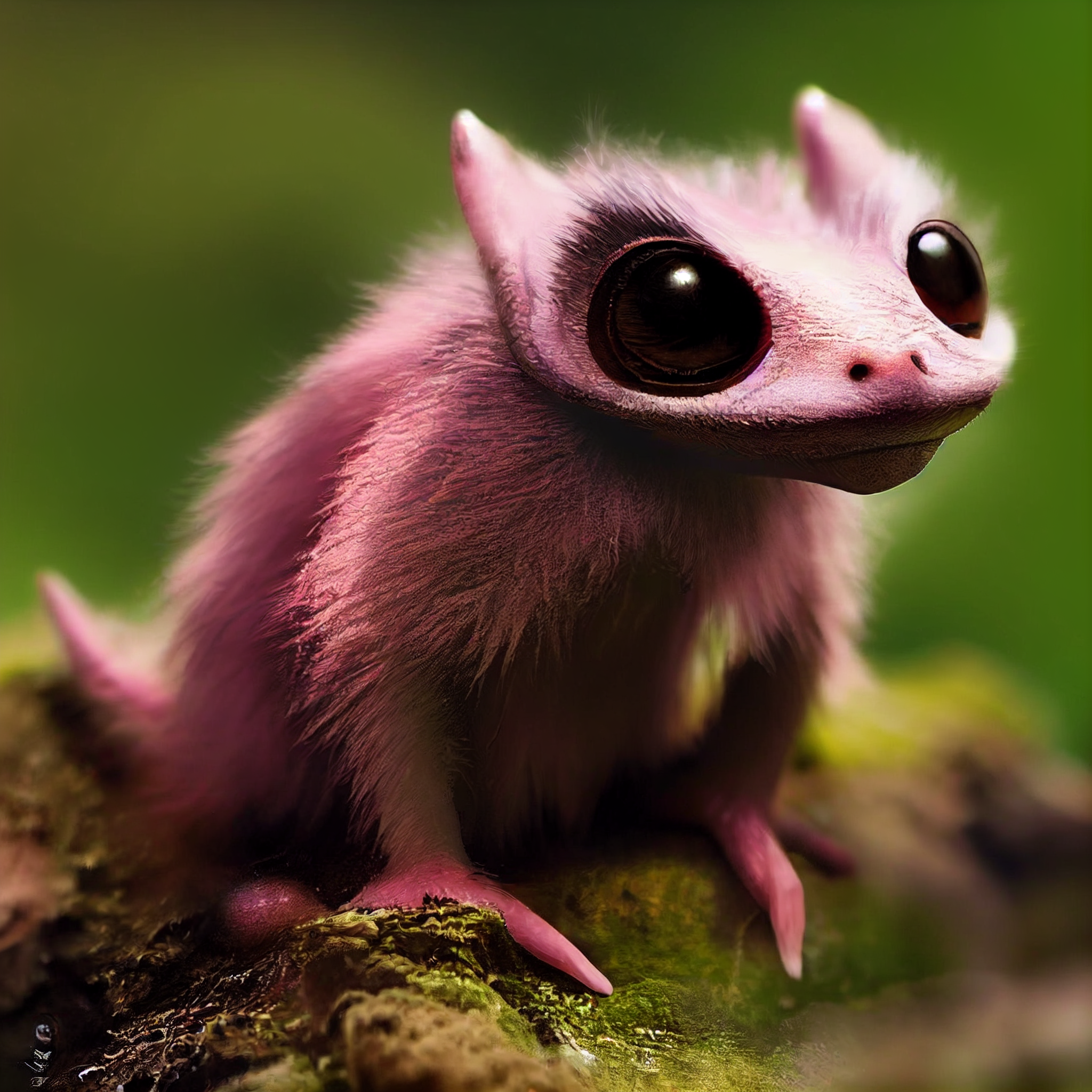
#306 Gruntmrub

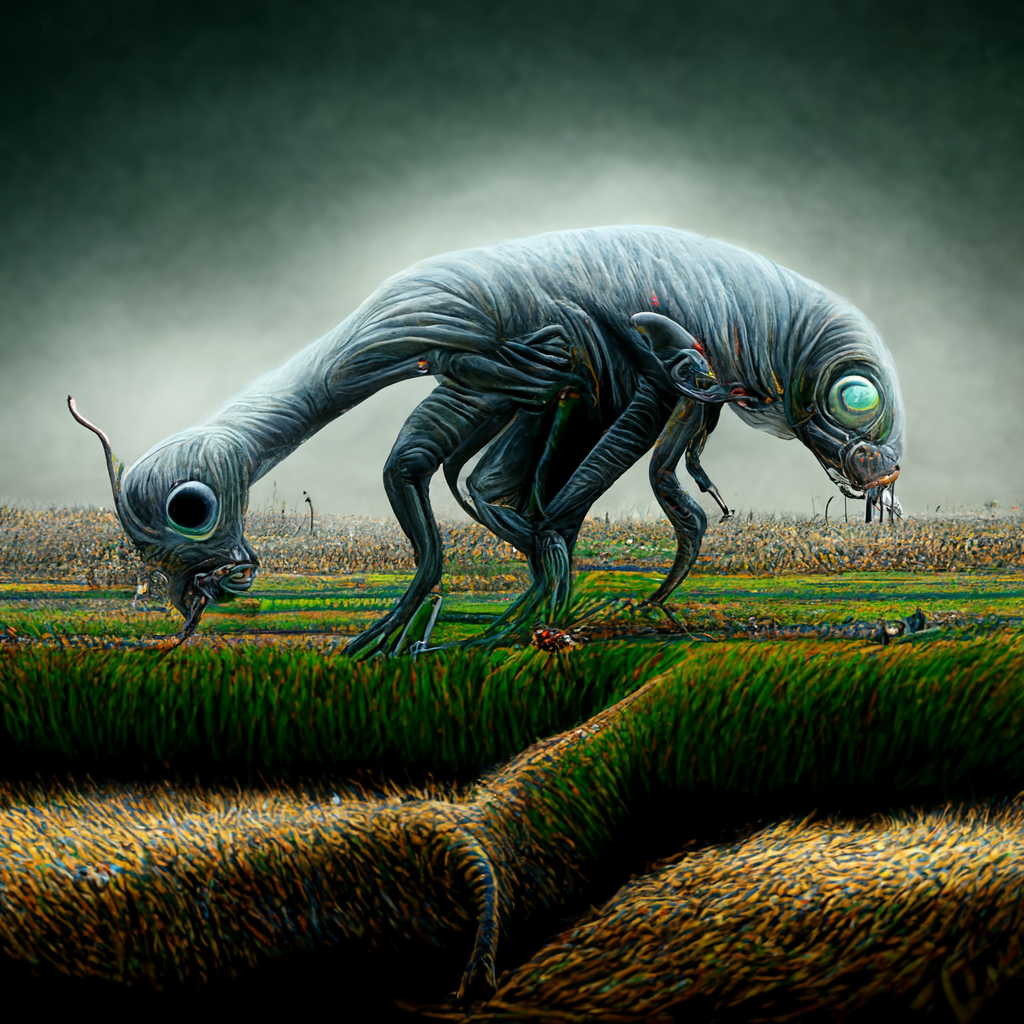
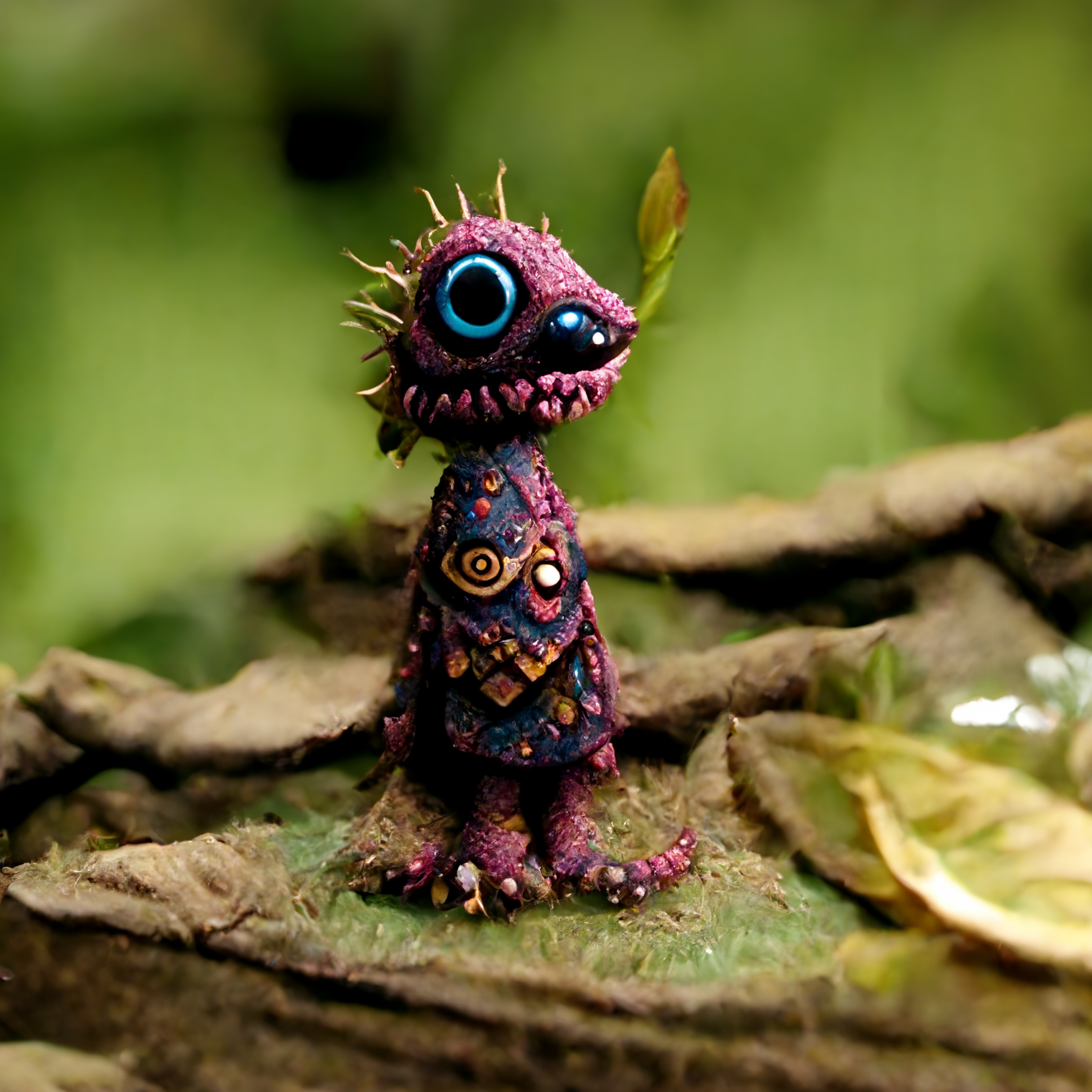
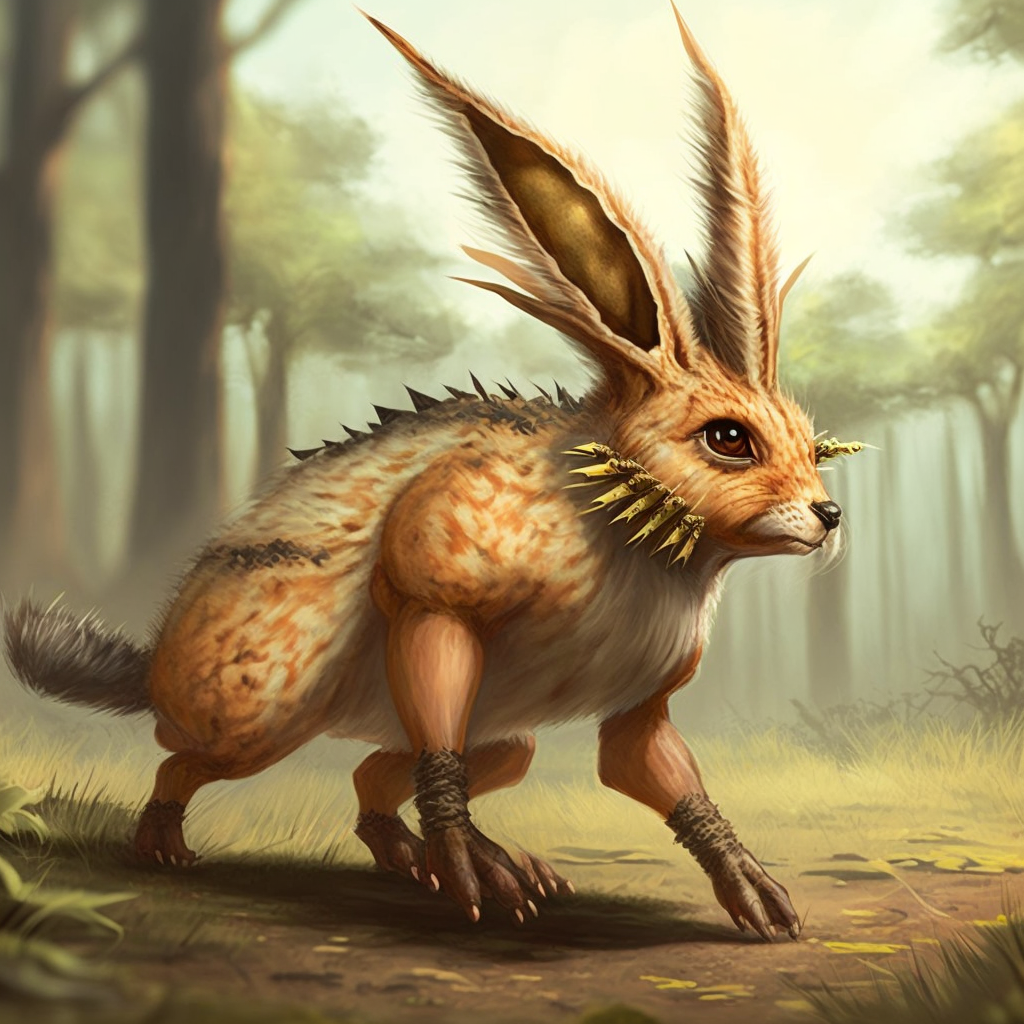
Gruntmrubs are small, furry, tree-dwelling creatures that are often mistaken for squirrels or frogs. They live in clans of several dozen, with the largest, strongest gruntmrub serving as the leader. They spend most of their day sleeping in trees, but they are excellent climbers and will sometimes leap from tree to tree to catch flying bugs. They are thought to be one of the earliest non-evolving species in the world and have relatively primitive brains.

Release Date October 29, 2022
Sign up for a free account to claim this creature as your own.

Discover other creatures

Explore an endless universe of ficticious life on NovelGens.
UNCOMMON

#193 Udeneth

The udeneth is a large, light-colored creature that somewhat resembles a llama. It has no ears or nose and must rely on sight and touch to find its food. Udeneths are found on mountainsides where they frequently burrow into the snow, where they wi...

UNCOMMON

#152 Poxip

Poxips wander the deserts of the world during their remarkably-short lifetime for a creature of their size. They are covered in fluffy hair that provides shelter and warmth during the cold nights outside of their burrow. Poxips love to eat berries...

COMMON

#269 Oceanstar

The oceanstar is a common salt-water marine mollusk. Oceanstars got their name from sailors who could just barely make out twinkling lights beneath the ocean waves in the pitch of night. Oceanstars are herbivores that feed on microplants and detri...

COMMON

#174 Sanguaven

The night ravens with luminous, blood-red eyes in the south are colloquially known as sanguavens, although they've had many names throughout history. Sanguaven eyes have a unique reflective property that redshifts light and amplifies its reflectio...

COMMON

#235 Worgant

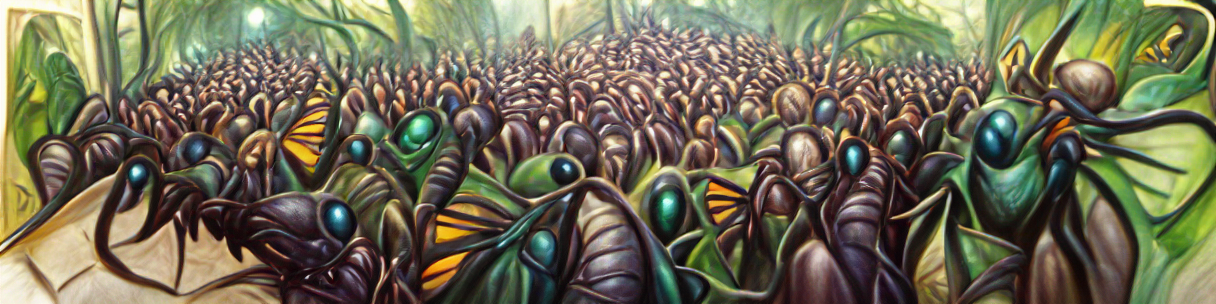
Worgants are a species of small were-ants that live in packs in the northern forests. They have a symbiotic relationship with the betzkra woodpeckers, who make holes in the bark of trees to get at grubs and other insects, which worgants then turn ...

UNCOMMON

#284 Senjfisk

Senjfisk use thousands of microscopic limbs to move sand around them, enabling them to effectively swim through sand and loose dirt. These nocturnal carnivores also undergo a biological stasis while sleeping, which completely stops all but their m...