COMMON

#034 Mrohl

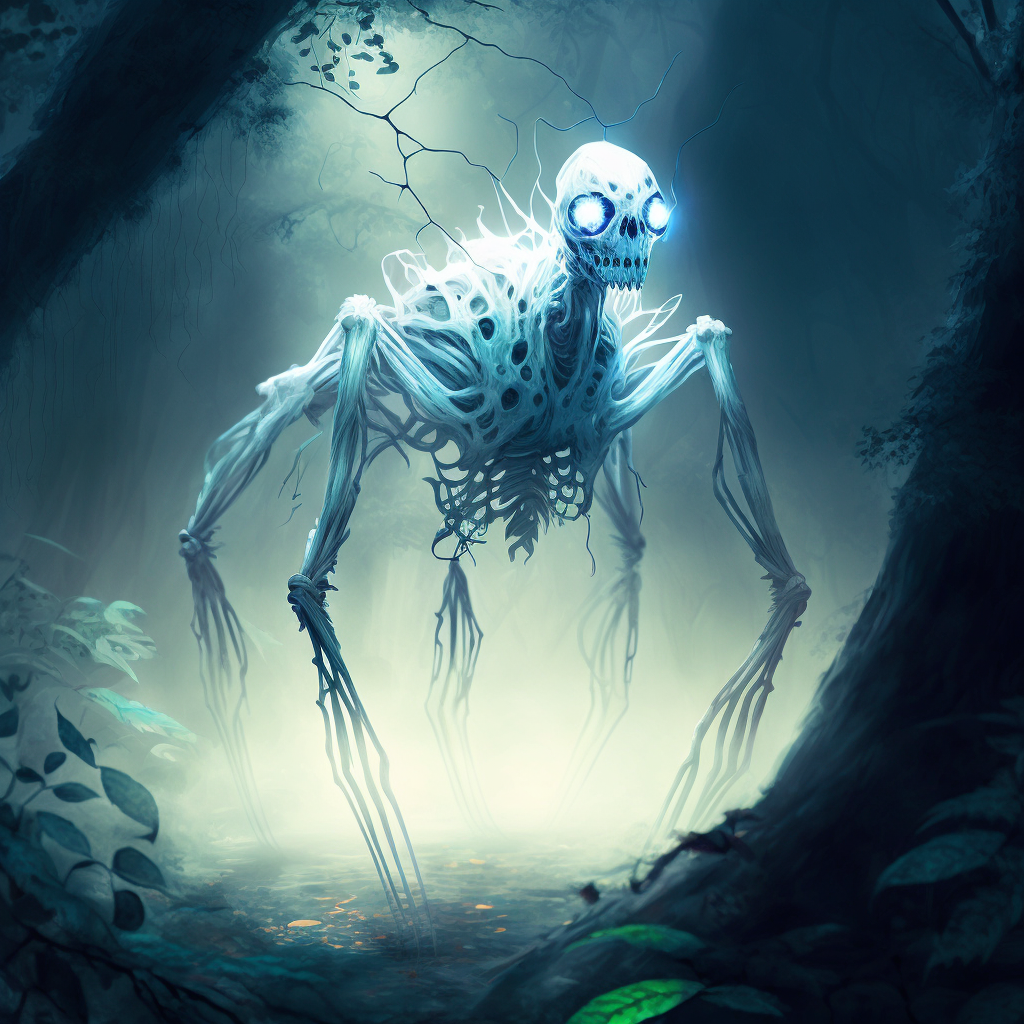
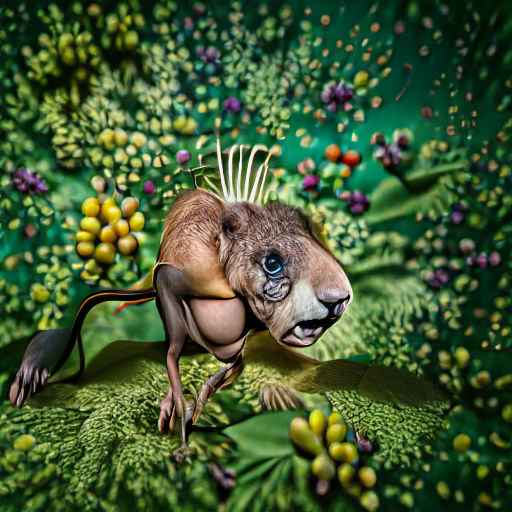
Mrohls live in enchanted forests where they eat magic berries and hallucinogenic plants. As such, their reactions to adventurers are as predictably intense as their actions are unpredictable. Their droppings are typically made into a hallucinogenic alcohol.

Release Date January 30, 2022
Sign up for a free account to claim this creature as your own.

Discover other creatures

Explore an endless universe of ficticious life on NovelGens.

RARE

#062 The Acolyte

Not much is known about the acolyte, including whether it's one creature or many. However, many travelers have reported that they've witnessed the acolyte while dying in nearby deserts. The description of the experience varies wildly from person t...

COMMON

#266 Zajg

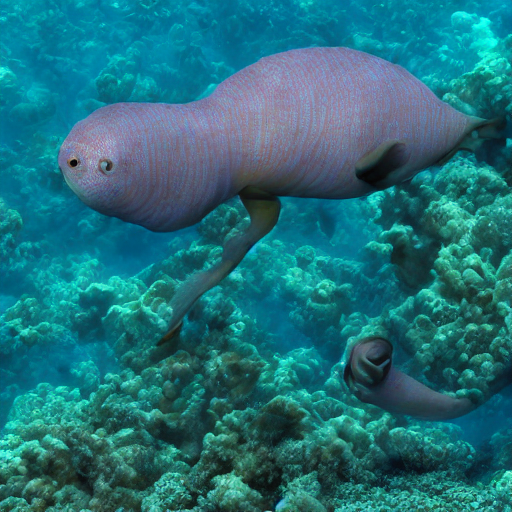
Zajg (spelled zayg in some locales) are a faceless fish common in warm reefs. These large trawlers use a version of echolocation that provides better information about their surroundings compared to typical fish eyesight. This sensory system allow...

COMMON

#244 Angelsilk

The angelsilk jellyfish floats through the air on a cloth-like fabric made of the protein chains they produce for skin. Angelsilk are also known as ballgown angels to those who live near enough to the coast to see them. It is not uncommon for thes...

UNCOMMON

#292 Volkan

The volkan is a massive creature, about the size of a buffalo, but with four legs and a tail. It is covered in thick black fur and has a massive mouth full of razor-sharp teeth. It has a pair of horn-like structures on its head and its eyes are us...

UNCOMMON

#301 Saski

The saski is a species of airborn sanni that often can often be found following cumulonimbus clouds, though their migratory patterns have them almost everywhere on the planet at least once a year. Saski have an average length of two hundred feet a...

COMMON

#358 Mollang

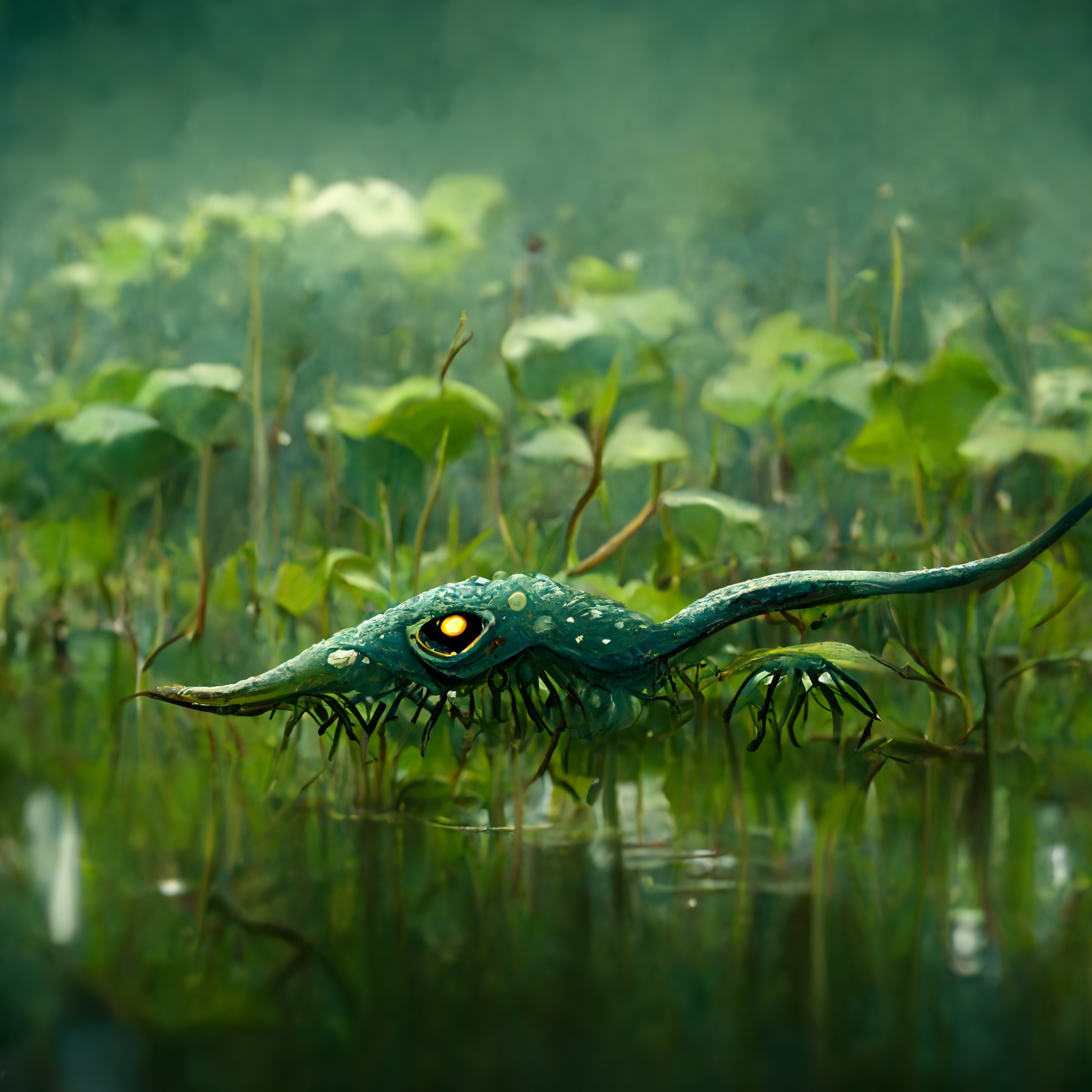
Mollang are small marsupials often found throughout wetlands and jungles. They live long lives despite the poisonous fungus that commonly grows on their short fur, which also protects them from most predators thanks to the highly-contagious nature...