COMMON

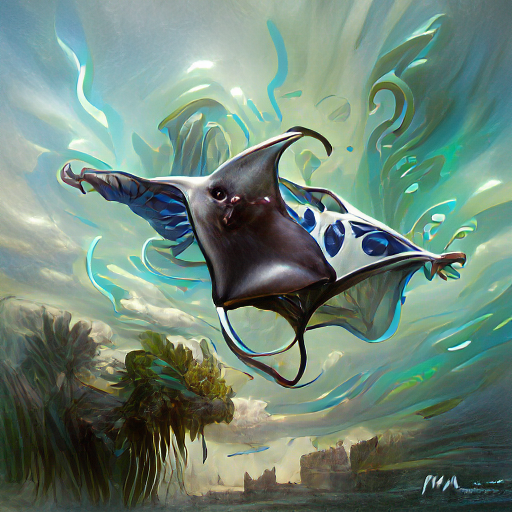
#089 Vieflhuse

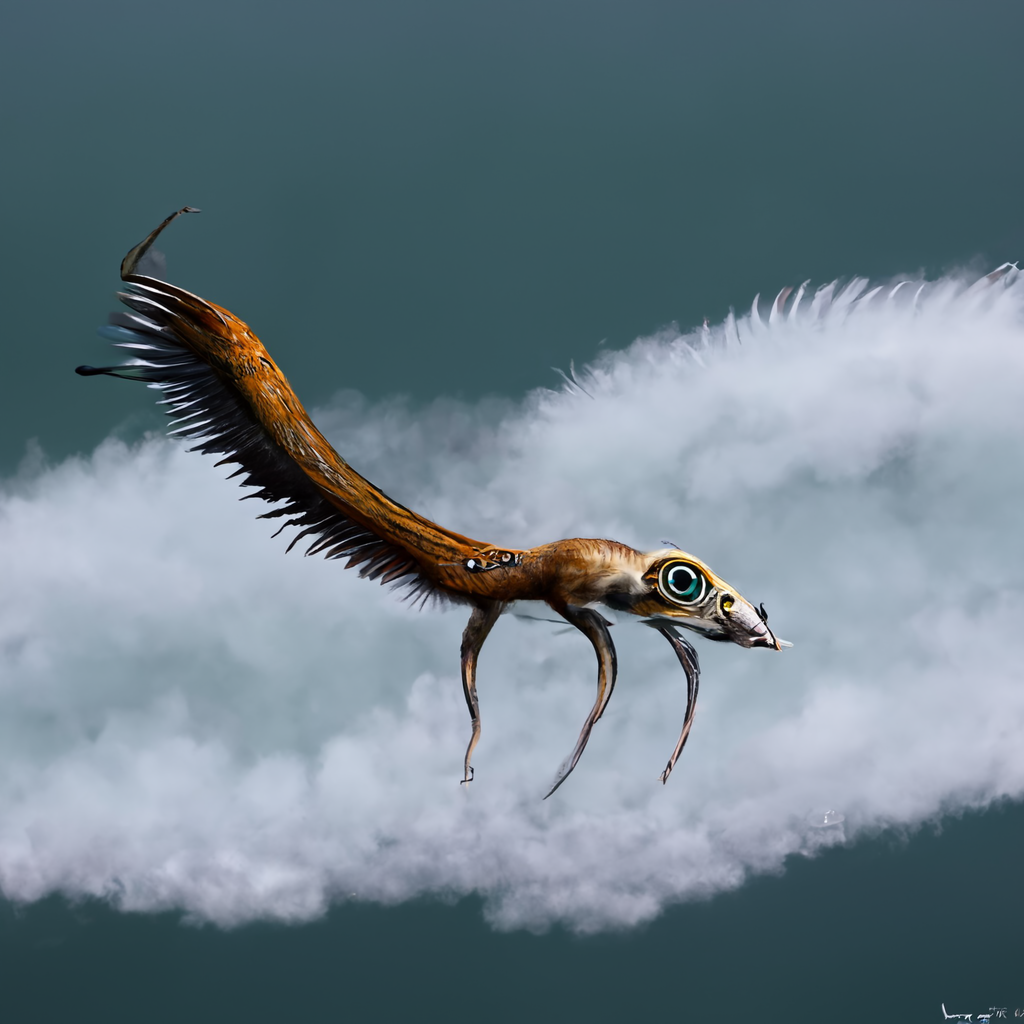
Vieflhusen are skymantas that frequently dip below the clouds in search of food, fun, and friends. Although their eyesight is terrible, they are able to use an altered form of echolocation to sense a three-dimensional representation of the area and its inhabitants beneath them. Each Vieflhuse is able to reproduce asexually and typically carries litters of 4-8 small vieflhusen on their back after giving birth.

Release Date March 26, 2022
Sign up for a free account to claim this creature as your own.

by NovelGens

by NovelGens

by NovelGens

by NovelGens

by NovelGens

Discover other creatures

Explore an endless universe of ficticious life on NovelGens.
RARE

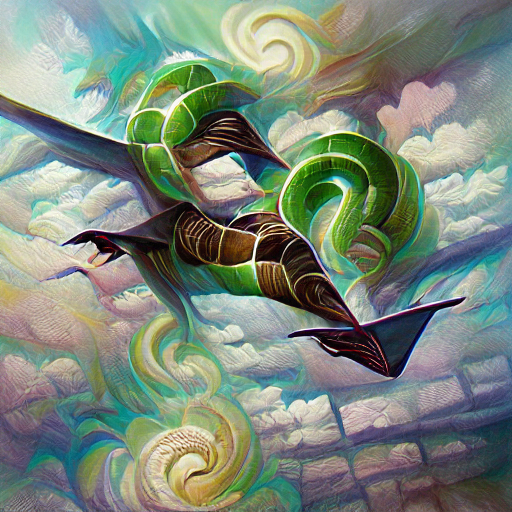
#028 Ala Dimio

Ala dimios (commonly also referred to as just "alas") are descendents of ancient, magical dragons. While they lack the magical prowess of their ancestors, they've thrived physically and dominate the highest skies with wind attacks and a gigantic h...

RARE

#132 Aeldatyr

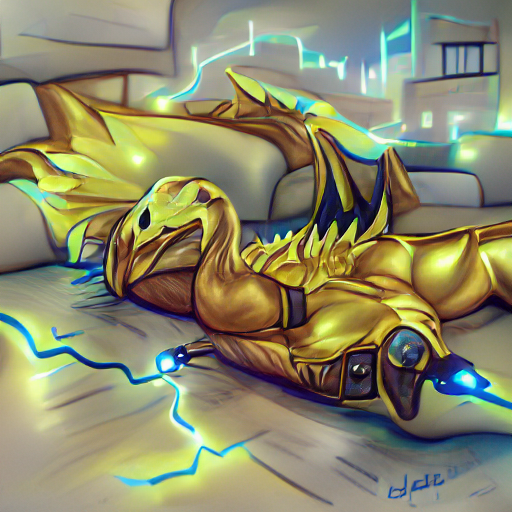
Aeldatyr scales are golden and shiny, and imbued with powerful magic that allows them to create lightning. They grow to be very large, roughly the size of an elephant, and their scales are capable of reflecting sunlight, which makes them appear al...

UNCOMMON

#192 Crindelino

Crindelino (meaning "giant armored ones" in an ancient script) are New World placental cold-blooded mammals. Crindelinos live isolated lives in the hottest deserts for long lifespans currently estimated to be over two thousand years long. Crind...

COMMON

#203 Hakaji

Hakaji are small, dimorphic reptilian creatures with a bug-like head and legs. Hakaji bodies are extremely light, allowing them to briefly float even in still air. They spend most of their time up in the sky soaring on the thermals, and can occasi...

COMMON

#215 Zemyl

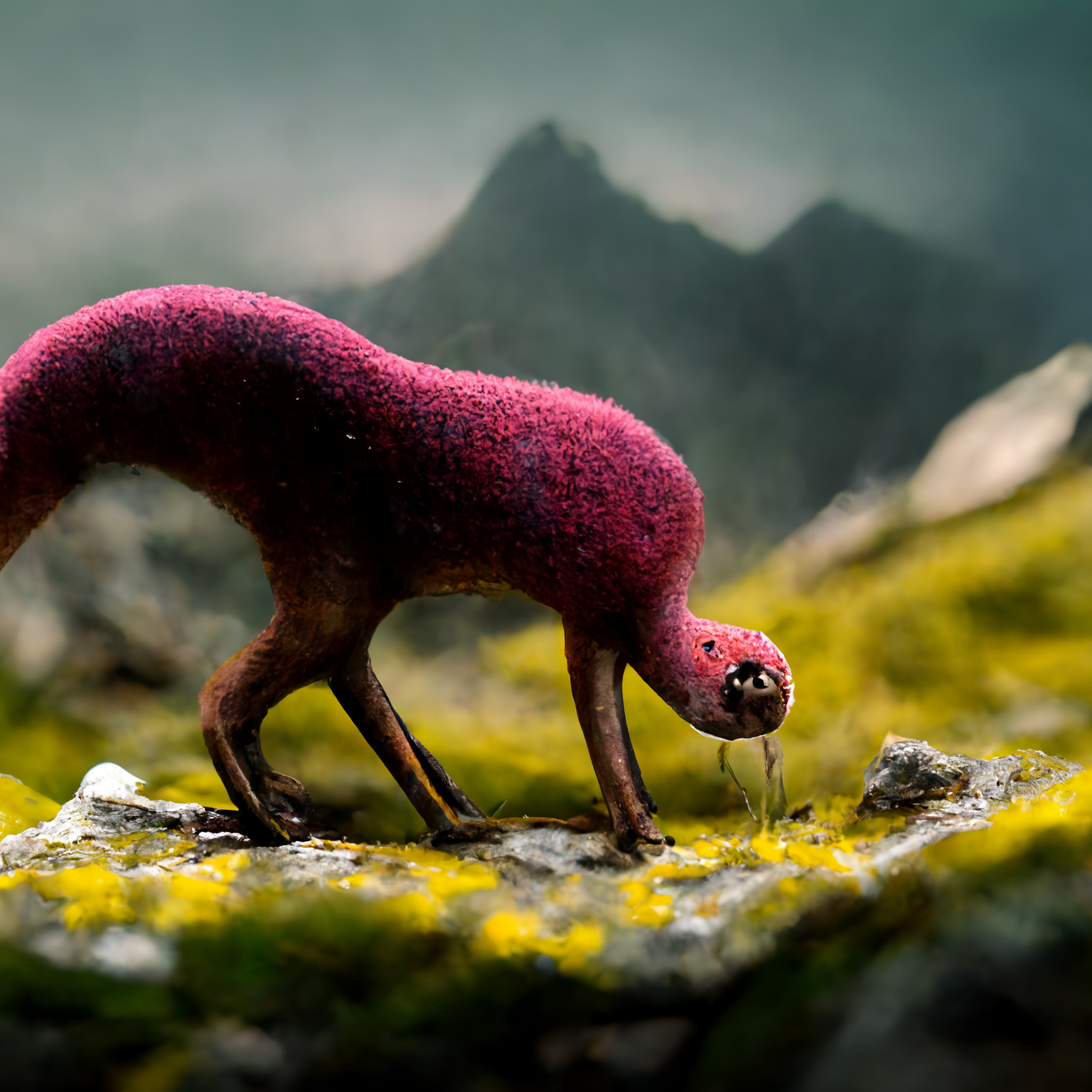
The zemyl is a small and brightly colored mammal that lives in mountain ranges. It has a penchant for collecting rocks, prefers to eat a diet of flowers and insects, and is capable of traveling at great speeds by rolling down hills. If you ever en...

UNCOMMON

#284 Senjfisk

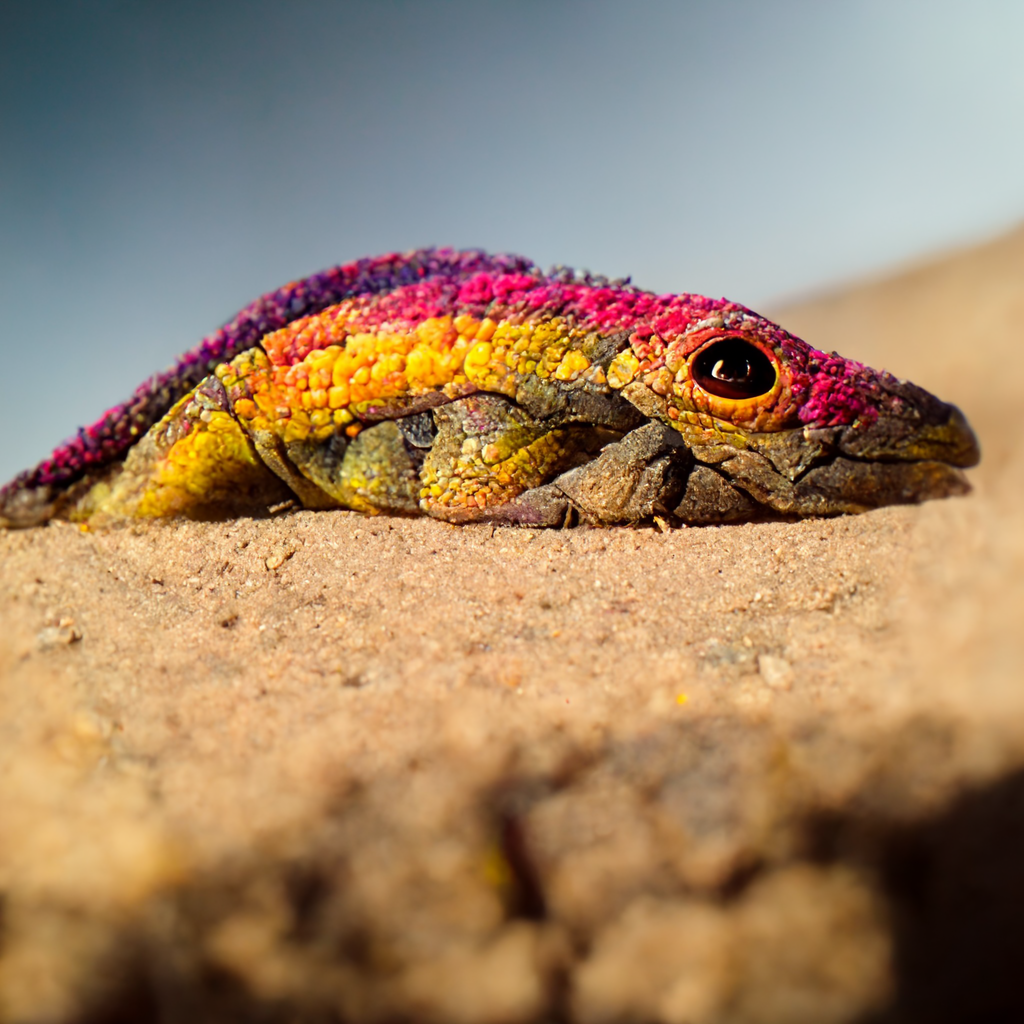
Senjfisk use thousands of microscopic limbs to move sand around them, enabling them to effectively swim through sand and loose dirt. These nocturnal carnivores also undergo a biological stasis while sleeping, which completely stops all but their m...