UNCOMMON

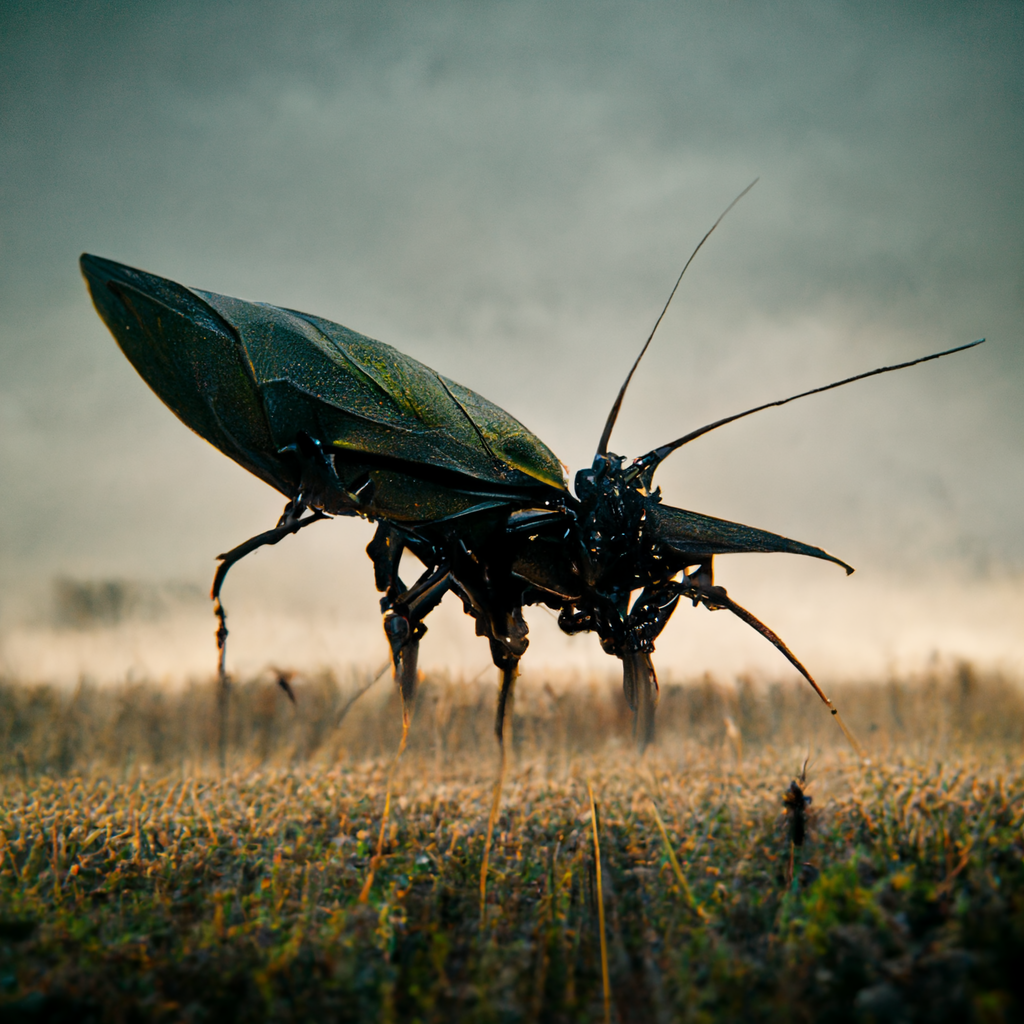
#264 Vibulant

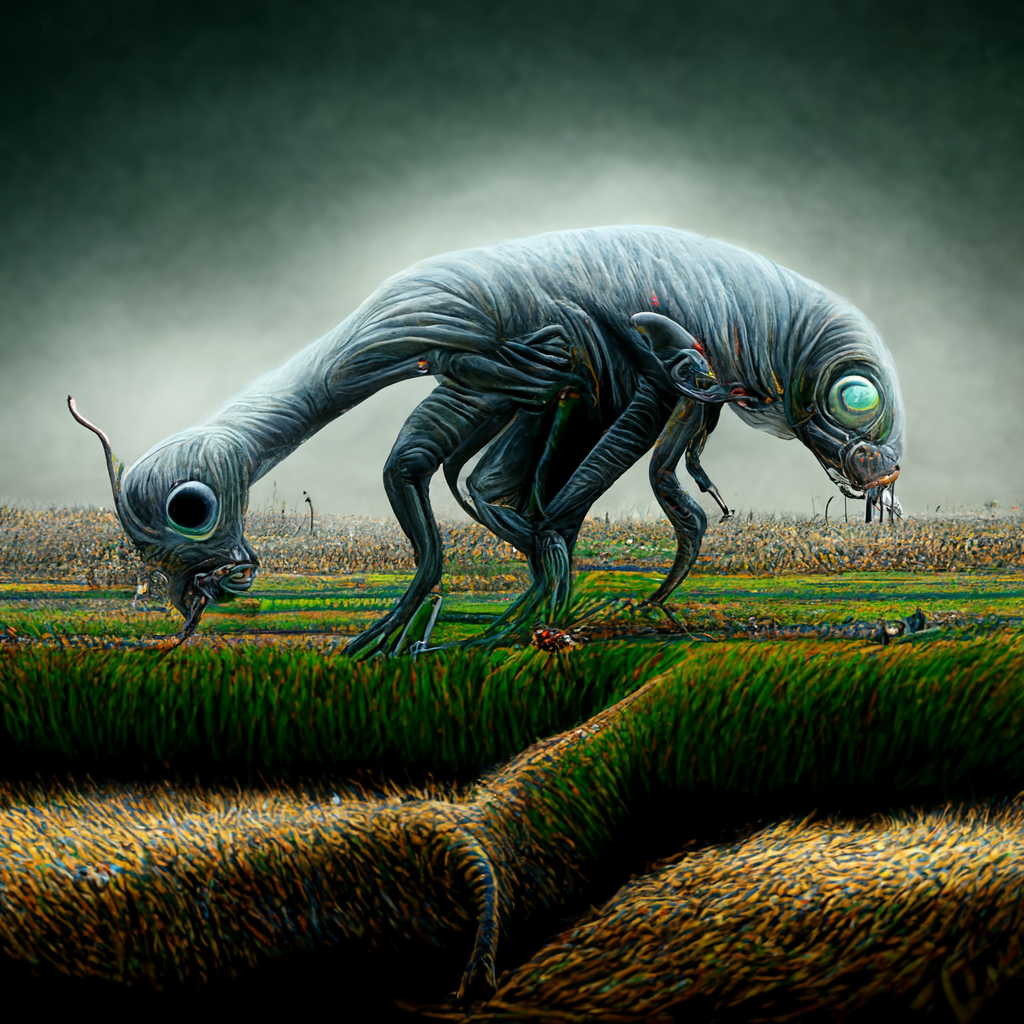
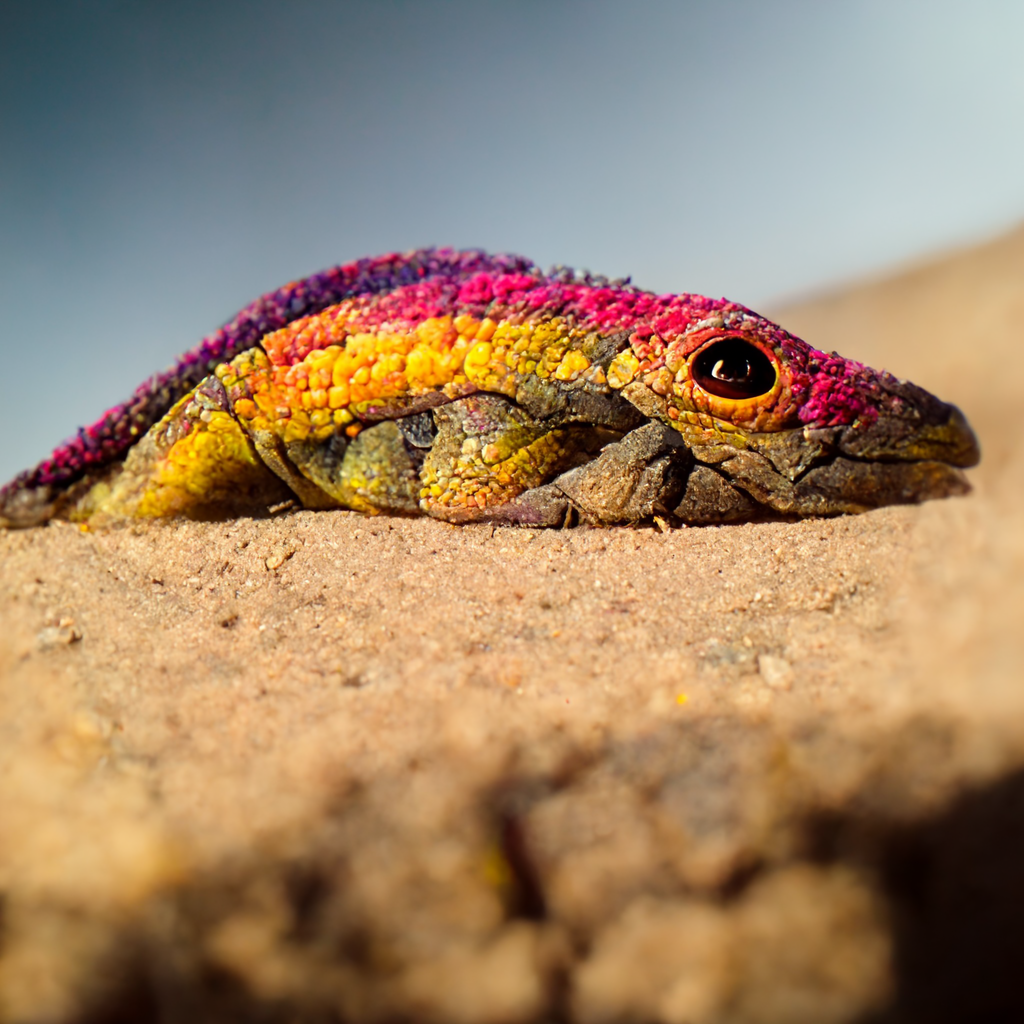
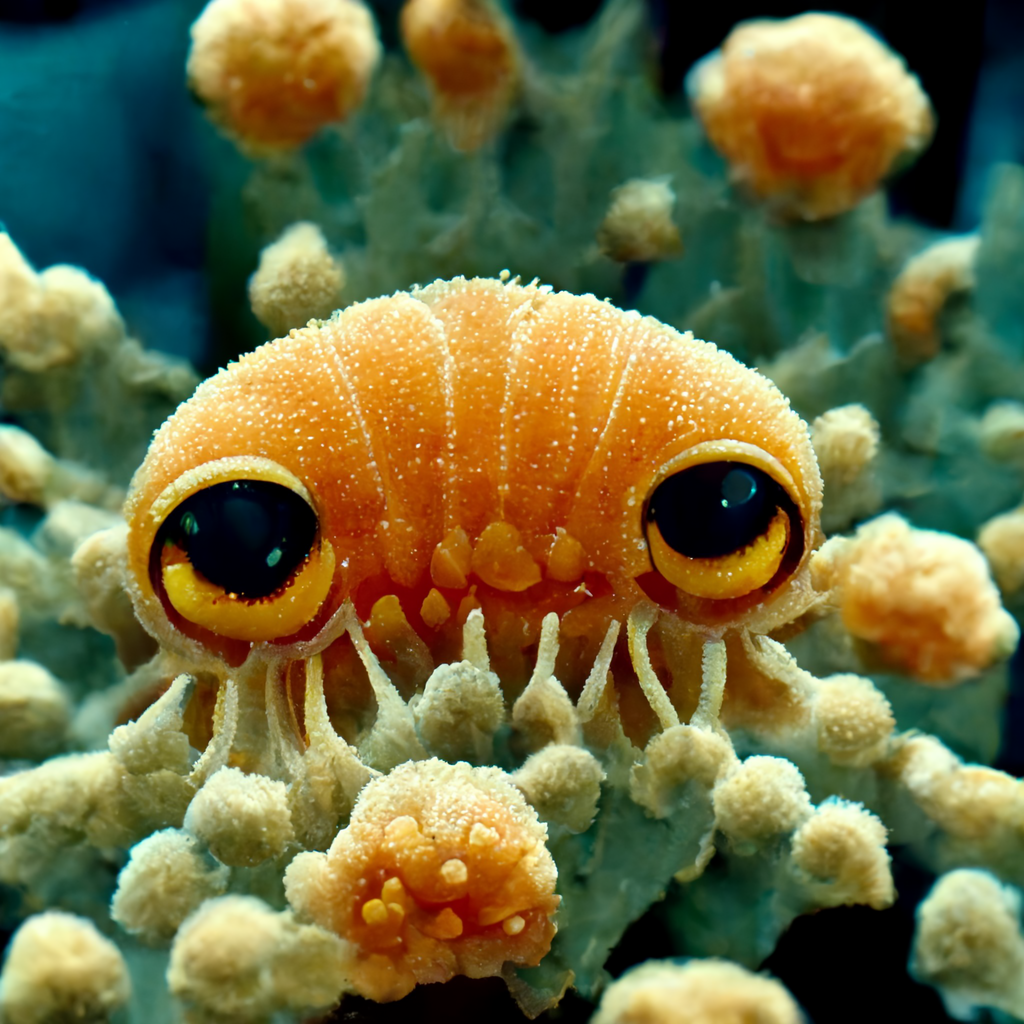
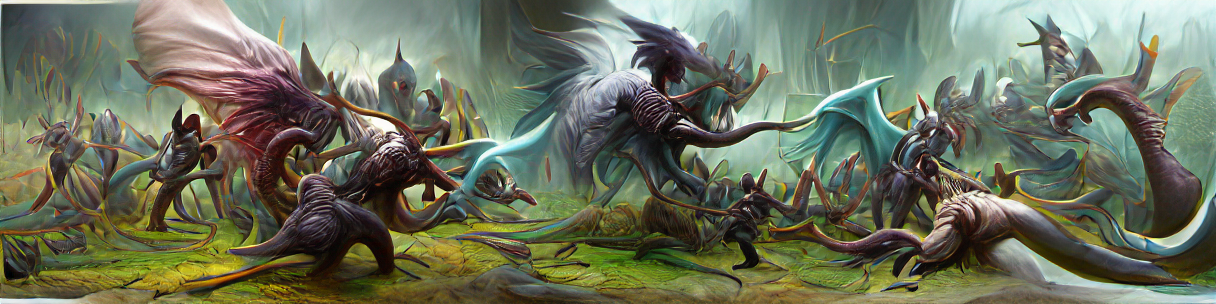
Vibulants are massive insects. A single vibulant can be up to 10 feet long and weigh up to half a ton. They can be found in many different environments, including deserts, mountains, and fields. Despite their size, vibulants are generally harmless to humans and will often avoid them if given the chance. Vibulants have limited intelligence and are kept as livestock in some places.

Release Date September 18, 2022
Sign up for a free account to claim this creature as your own.

Discover other creatures

Explore an endless universe of ficticious life on NovelGens.
UNCOMMON

#015 Verdebird

Weirdly, verdebirds glow a bright green color while also only being visible in the direct shadows of light passing through green-tinted glass, making it a rarity to actually observe one outside of controlled conditions. It's said that witnessing o...

COMMON

#146 Forsydifs

Forsydifs are a variant of ant that has evolved to live on the backs of humanoids, from whom they eat dead skin cells. They spend most of their lives crawling between the dermis and epidermis of their hosts and are capable of surviving on just dea...

COMMON

#048 Dolli Buea

Dolli Buea are large creatures that inhabit the arboral wetlands. While they are generally large in size, they seem to be able to freely swim in even the smallest of puddles and are somehow able to fully submerge themselves and re-emerge in anothe...

RARE

#225 Astorvega

An astorvega is a slow, lumbering creature covered in a thick, brown fur. It is roughly the same size as a bear and has large, powerful claws on its forelimbs that help it dig through snow or into small holes to sleep. The astorvega is a solitary ...

UNIQUE

#321 Sathera

Sathera are peaceful, ethereal creatures that feed on the energy of lightning storms. They are mostly invisible in most light spectrums, but when visible, they appear as circular fields of color that are constantly shifting. They tend to stay high...

RARE

#370 D'eggio

This fearsome matriarch stalks egg-laying creatures in swamps and wetlands until it finds the perfect time to strike, then takes over their prey's egg-laden nest as if it were their own. D'eggios will lay on top of eggs for days or weeks at a time...