UNCOMMON

#197 Glandrac

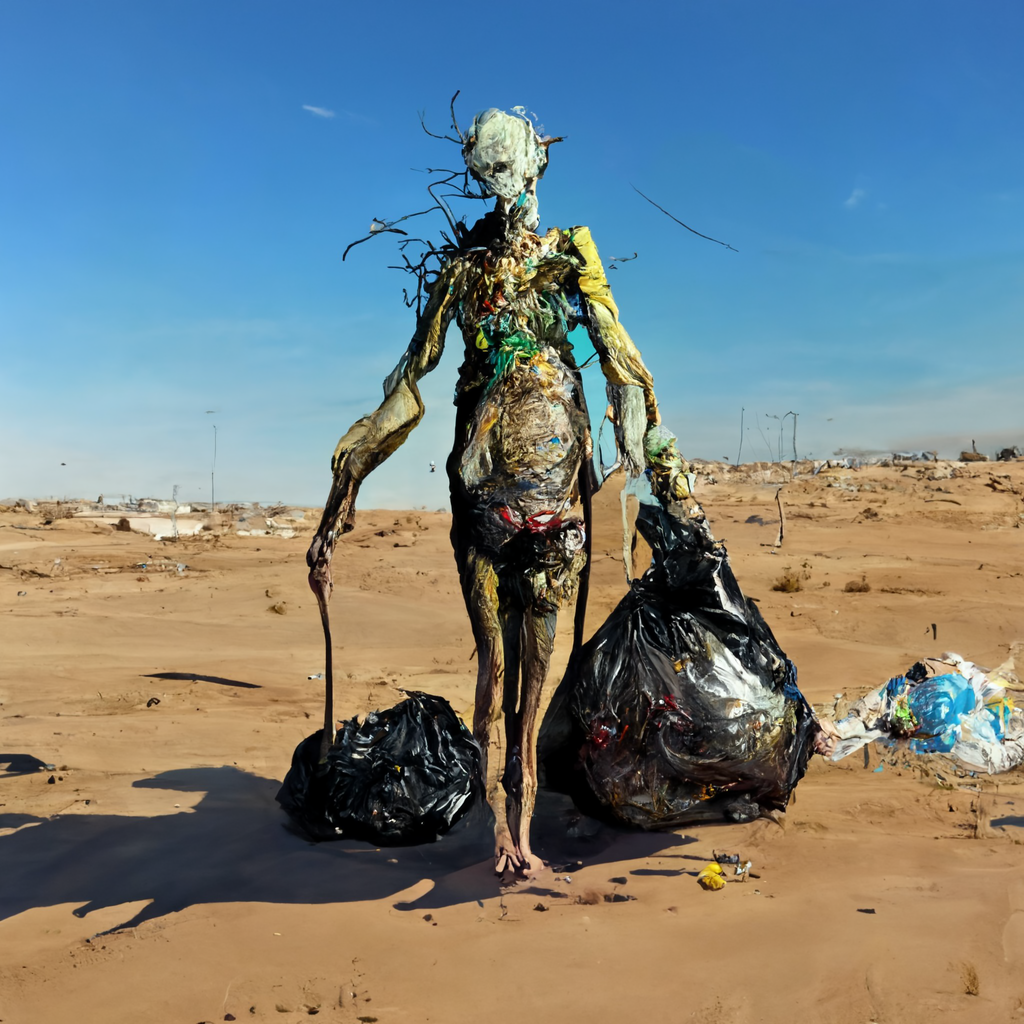
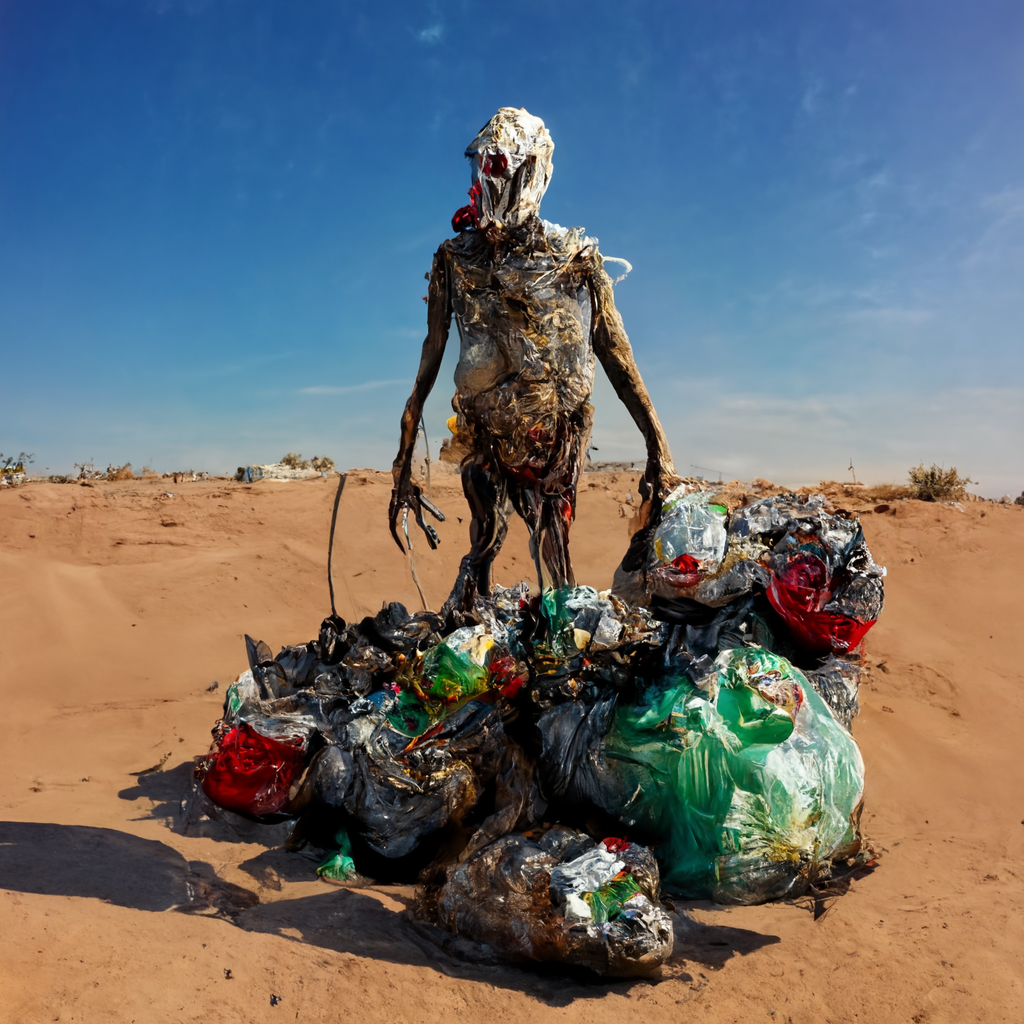
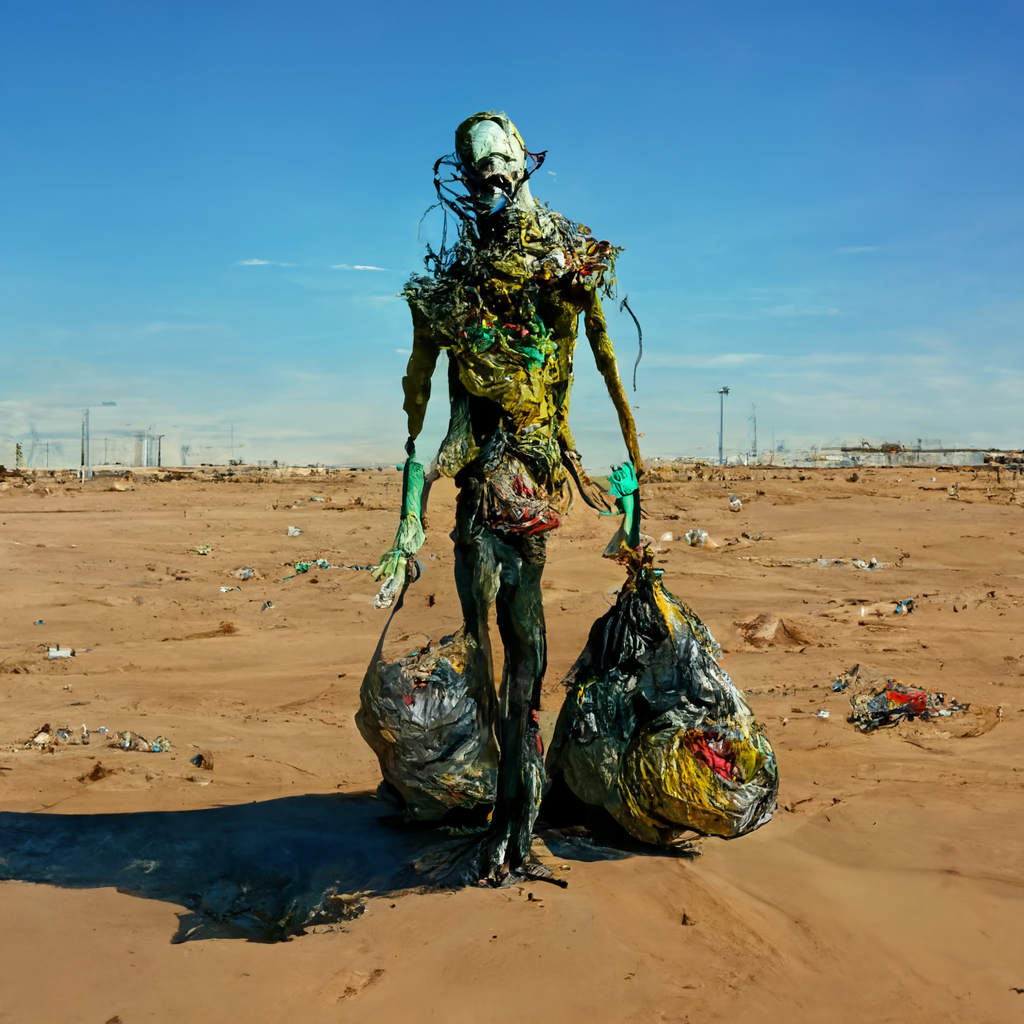
Glandracs are living piles of desert trash. They are the avatars of the world’s most disgusting souls, who have been reborn as living garbage. Glandracs are always scrounging for food and will sometimes go for days without finding anything to eat. When they do find food, they will devour it whole, packaging wrappers and all. They reproduce by eating an extraordinary amount of food, then defecating out a small baby glandrac, which will look exactly like a smaller version of its parent. The adult glandrac will then lead the offspring on a long trek across the desert to a new trash pile, where they will begin their new life together.
Found in
Release Date July 12, 2022
Sign up for a free account to claim this creature as your own.

by NovelGens

by NovelGens

by NovelGens

Discover other creatures

Explore an endless universe of ficticious life on NovelGens.
COMMON

#009 Rappariffian

Rappariffians have never had a confirmed sighting, but cultures throughout history have always told stories of some form of them, albeit with different names. These spectral presences weave themselves through dimensional planes, occasionally passi...

UNCOMMON

#180 Scordul

Scorduls are large, slow-moving amorphous blobs of flesh and bone that live in the forest. They are nocturnal and will often hide in caves or behind rocks, waiting for prey to come close. They can also camouflage themselves by changing their shape...

COMMON

#259 Gghun'vur

Gghun'vur are small insects with 13 legs that live in the coldest frozen tundras in the world. Their internal body temperature is very close to absolute zero, which severely limits the temperatures they can survive in; harsh, freezing temperatures...

UNCOMMON

#224 Larroh

Larrohs are flying insects that can be found in the high mountains of the world, scaling the peaks and drinking from glacial lakes. They are extremely shy and will dissipate their bodies into water vapor and their substance into their surroundings...

RARE

#191 Sabbi san

Sabbi san are a phylum of four-legged microscopic tardigrades first described by Austrian zoologist Robby Saab in 2195, who discovered them in a tainted cave water sample. Sabbi sans move quickly in water or on land with a gait that closely resemb...

UNIQUE

#343 Qualya

The first record of the gargantuan qualya was recorded by scientists on a digging expedition nearly a century ago, where they reported instrument malfunctions, tremors, and fits of temporary insanity. Since then, those who have studied qualya hypo...