UNCOMMON

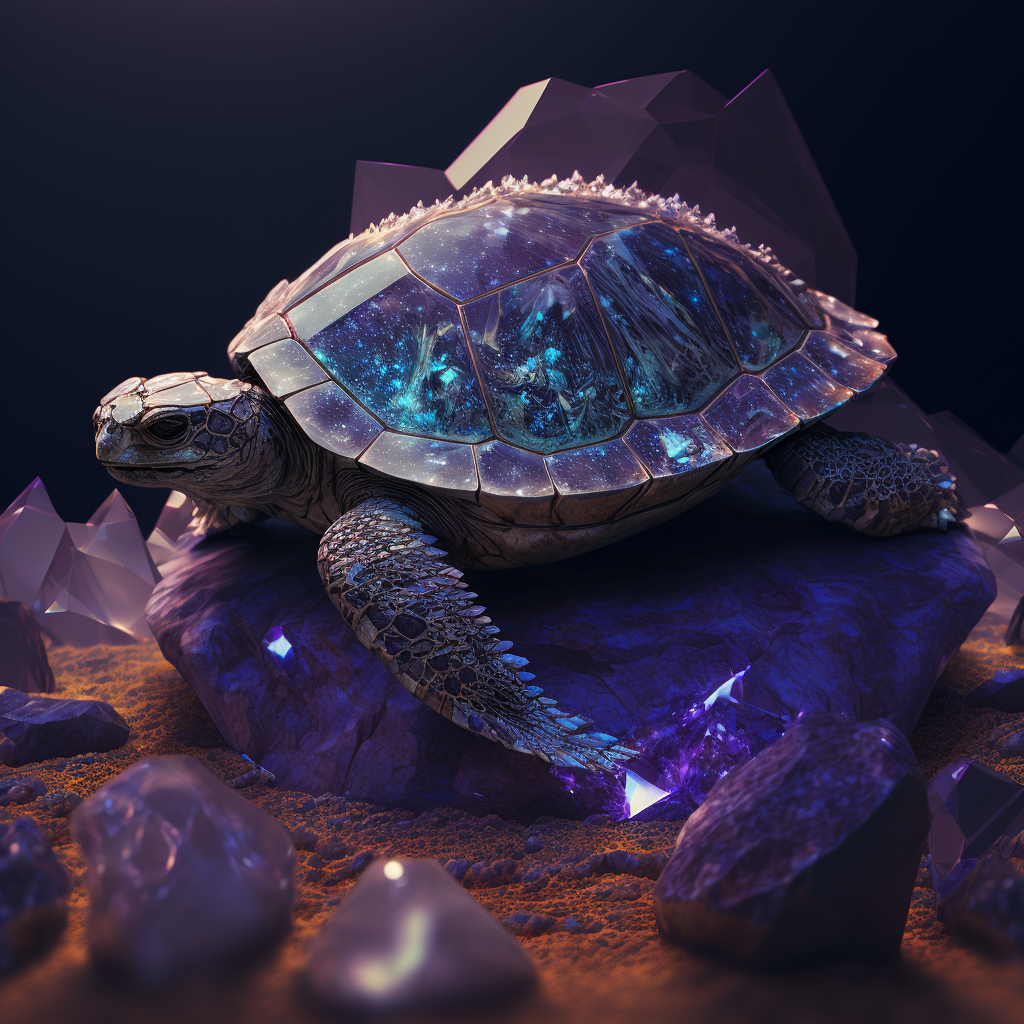
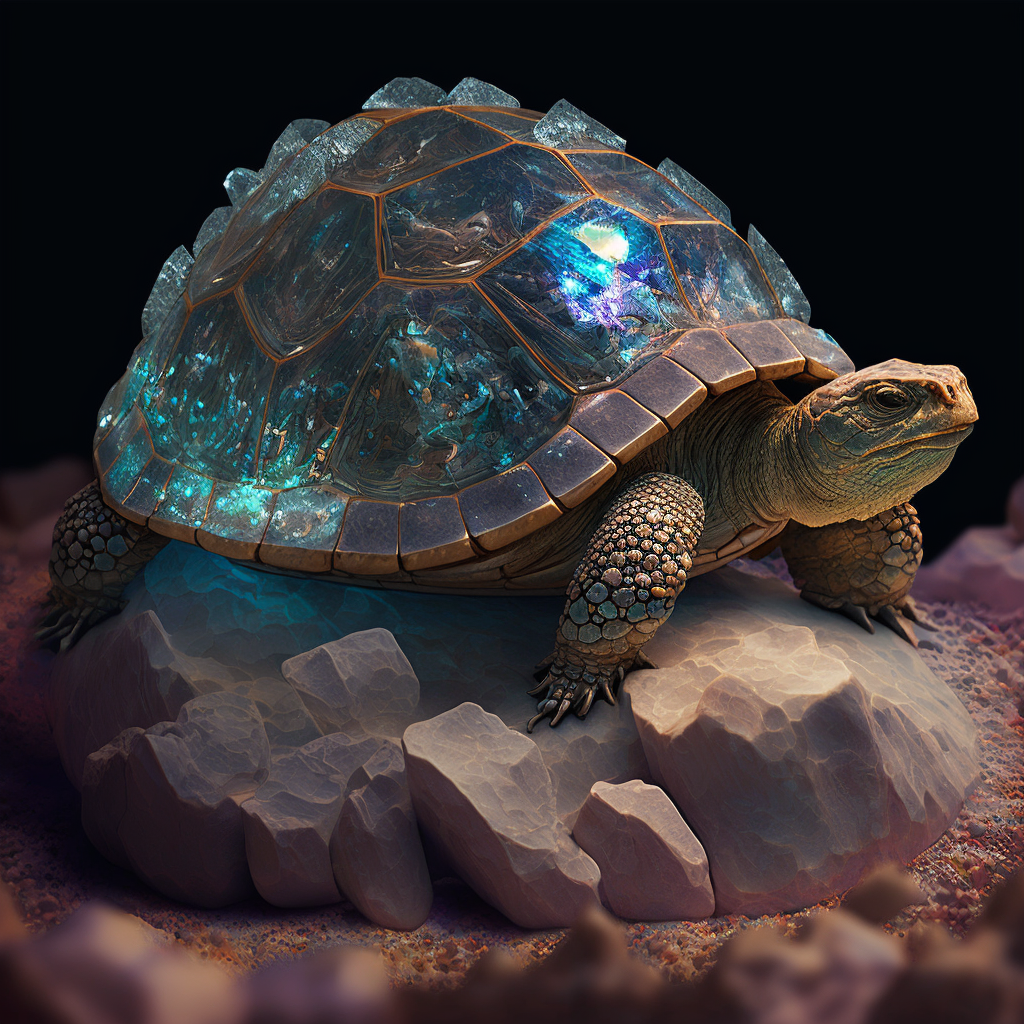
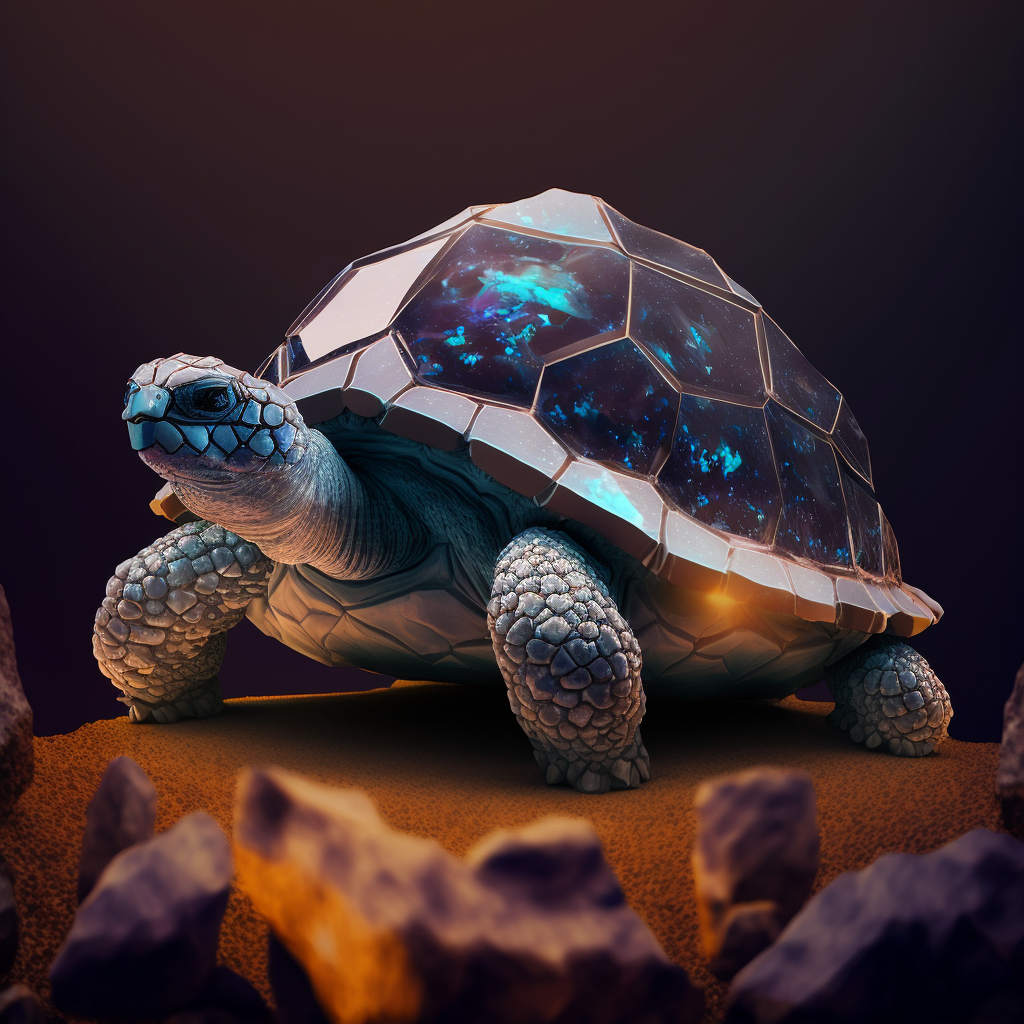
#348 Krystalloise

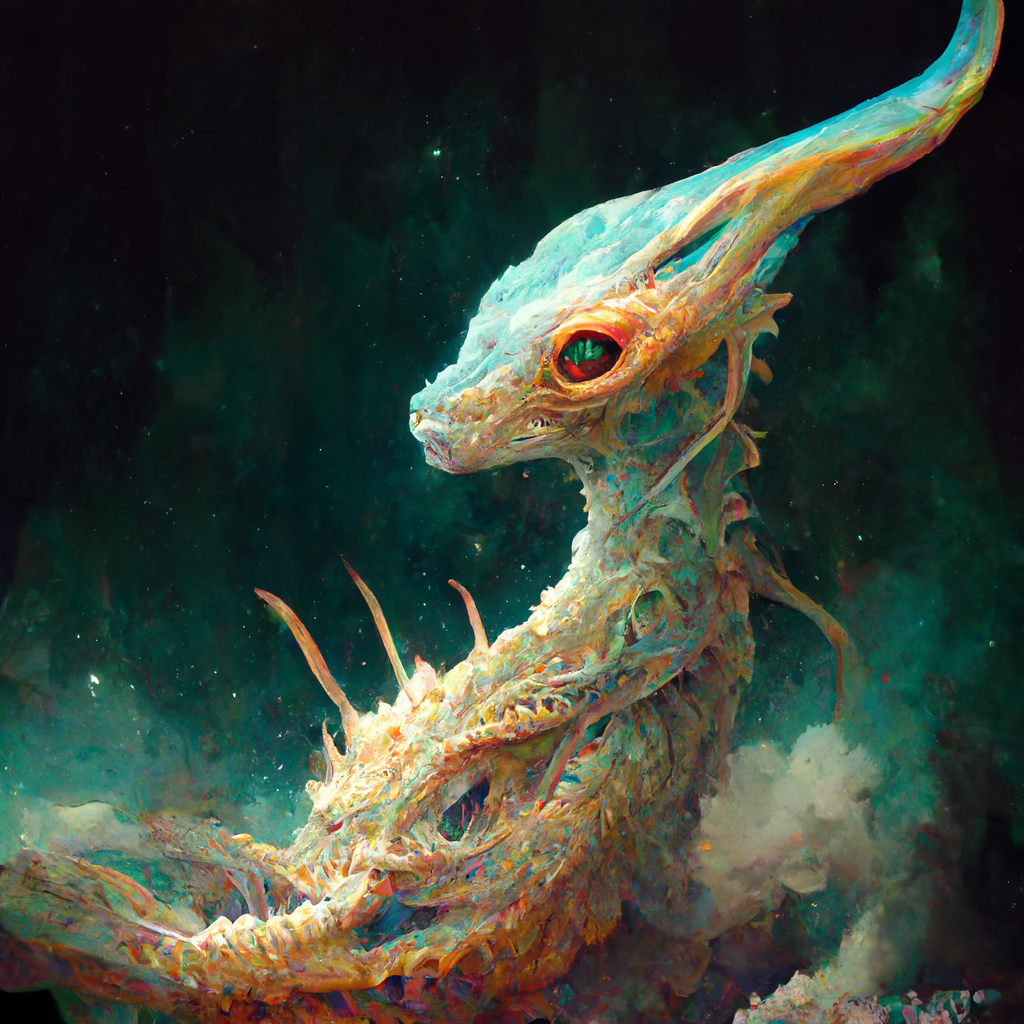
This burrowing reptile calls home to deep, underground caverns. Krystalloise lack the typical claws found on other diggers, but are still capable of digging through softer grounds using a mixture of shovel-like fins and incredible strength; however, they often just live within natural caverns or those hollowed out by other creatures. Their dense, crystallized body makes them incredibly resilient to natural predators, but also makes them a high-value hunting target from humans who use their shells in jewelry. Krystalloise can often be found licking rocks and stalagmites for minerals, which their body converts to energy and sustenance.
Found in
Release Date December 10, 2022
Sign up for a free account to claim this creature as your own.

Discover other creatures

Explore an endless universe of ficticious life on NovelGens.
UNIQUE

#033 Crefih

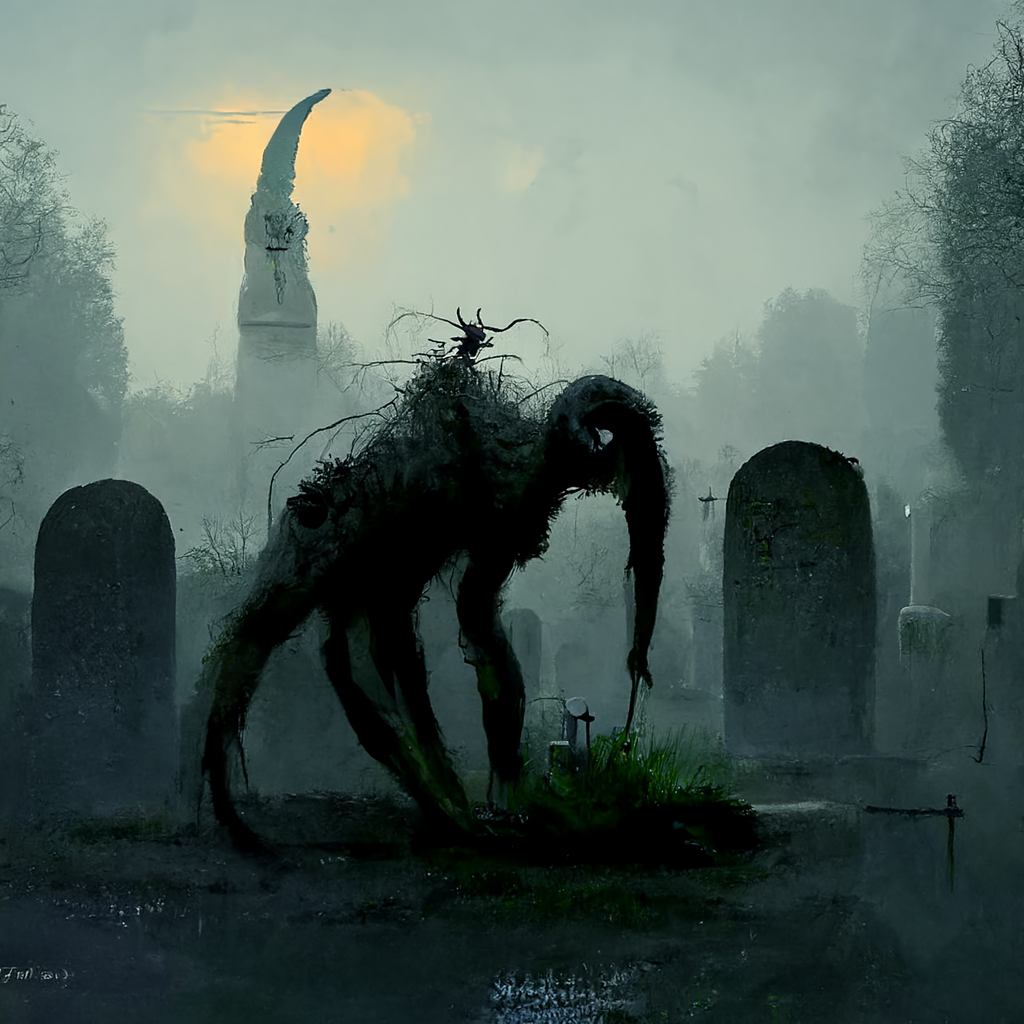
The Crefih is an intelligent and tricky creature that attracts prey by reforming a tentacle-like appendage into the shape of a vulnerable animal. The body employs a natural camouflage and springs to attack anything that strays close to its trap. I...

RARE

#106 Sidjif

The sidjif is a large, snakelike creature that is commonly used as a mount for the orcs and goblins of the world. Their massive bodies can grow up to 60 feet in length, and are powerful and muscular enough to support the weight of ten riders. They...

COMMON

#129 Axytun

Axytuns are a small species of landfish native to the rolling fields of the east. Although axytuns are naturally pitch black, albinism is so rampant in the species that black axytuns are often captured and resold as expensive pets. They are born i...

COMMON

#088 Fustonin

Fustonins are small, blue birds that live near active volcanoes. They are extremely light and can fly at speeds of up to 300 mph. They have no beaks and instead use the hard, pointed end of their shoulder to peck at the sides of a volcano and pry ...

RARE

#046 Camp Spirit

Camp spirits only appear in cases where a human body has been burned alive and left alone. It's unclear how they form, but scientists have narrowed it down to something in the bones reacting to long-term exposure to ashes. They were common during ...

RARE

#191 Sabbi san

Sabbi san are a phylum of four-legged microscopic tardigrades first described by Austrian zoologist Robby Saab in 2195, who discovered them in a tainted cave water sample. Sabbi sans move quickly in water or on land with a gait that closely resemb...