COMMON

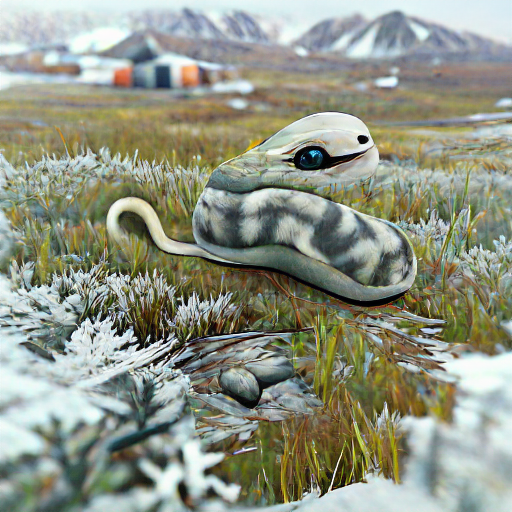
#154 Sizzten muette

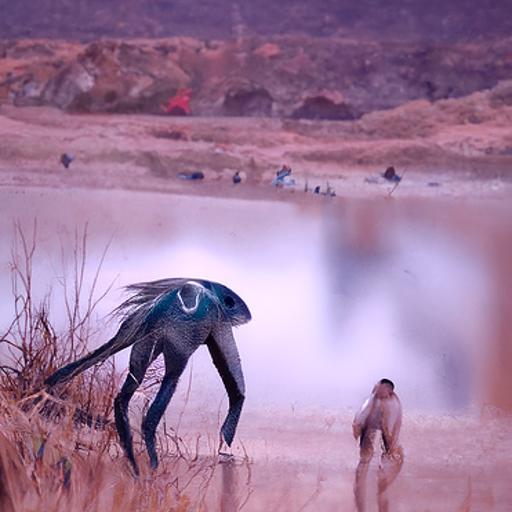
The ancient sizzten muette has been a staple of oasis and river life for longer than most other species, acting largely as a peacekeeper among other species over the years. Sizzten muettes can typically be found sipping from water sources and synthesizing food from proteins found in the water. Although they typically have short lifespans, they reproduce frequently and in large numbers. Fully-grown muettes typically range from 7 to 9 feet tall.

Release Date May 30, 2022
Sign up for a free account to claim this creature as your own.

Discover other creatures

Explore an endless universe of ficticious life on NovelGens.
UNCOMMON

#005 Thabu

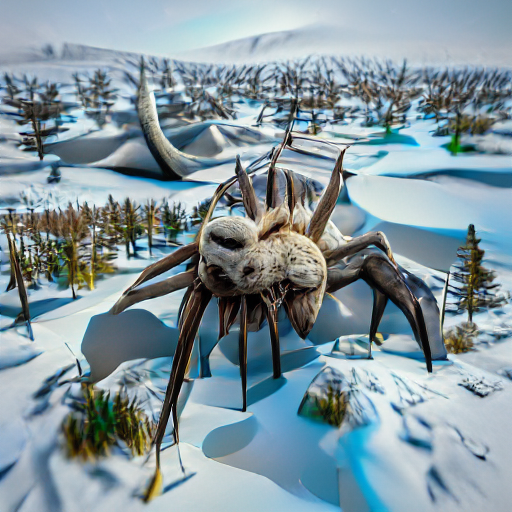
Thabus are hulking creatures of ancient history that have survived over time by melding with mountains and hibernating. They awake every thousand or so years to see if the world is a better place, but a thabu invariably goes back to sleep after ea...

UNCOMMON

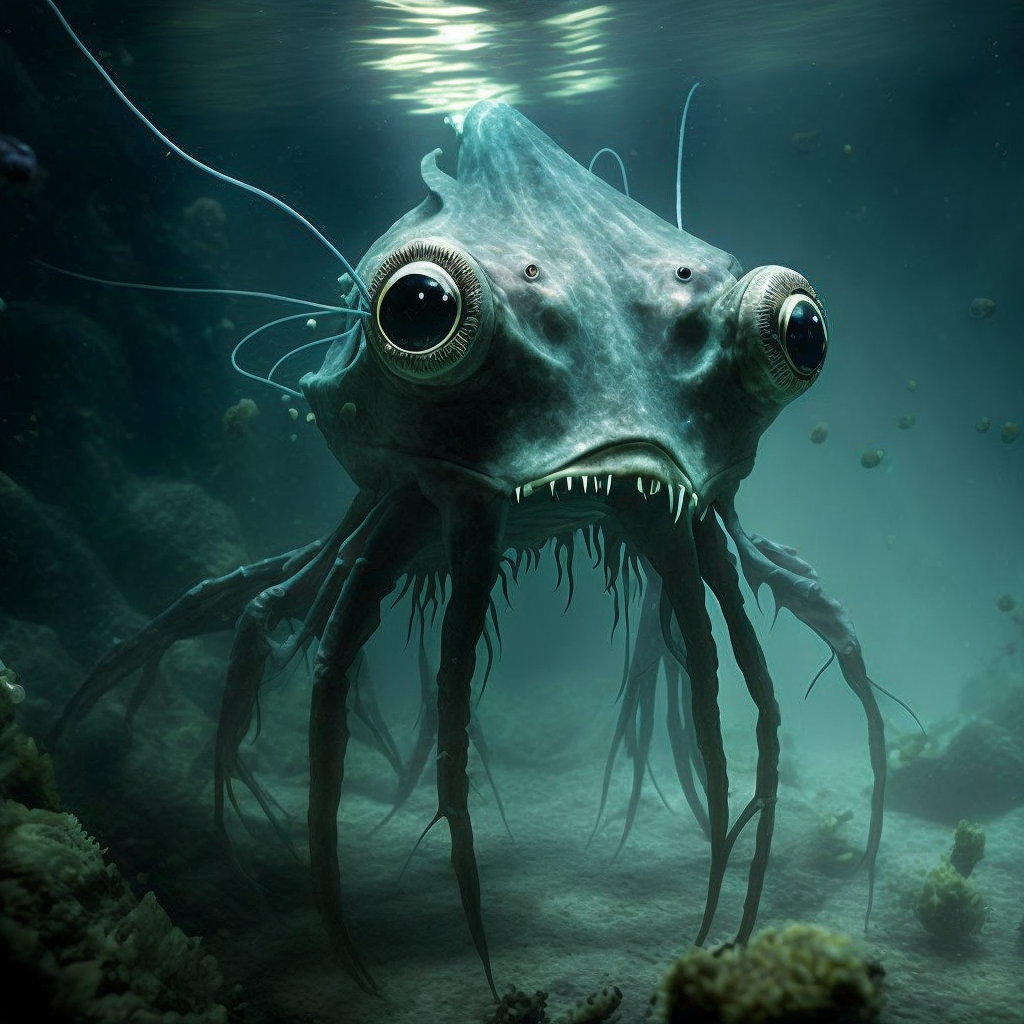
#007 Merm

Merms live in small groups, typically in the deepest reaches of the western oceans. They seem closely related to a potential aquatic fork of human evolution, but scientists haven't yet developed a way to communicate with them.

RARE

#058 Forrest

Forrests are ghostly entities that inhabit jungles and forests. They are largely transclucent and intangible, typically only able to affect the world through moving wind. In the foggiest nights, a forrest can be seen with the naked eye. Locals oft...

UNIQUE

#164 Finishi

The fabled finishi bird is most notable for its "perfect" camouflage as no living finishi has ever been sighted, even in areas estimated to be completely overrun by them based on the number of finishi carcasses found daily, such as in the titular ...

RARE

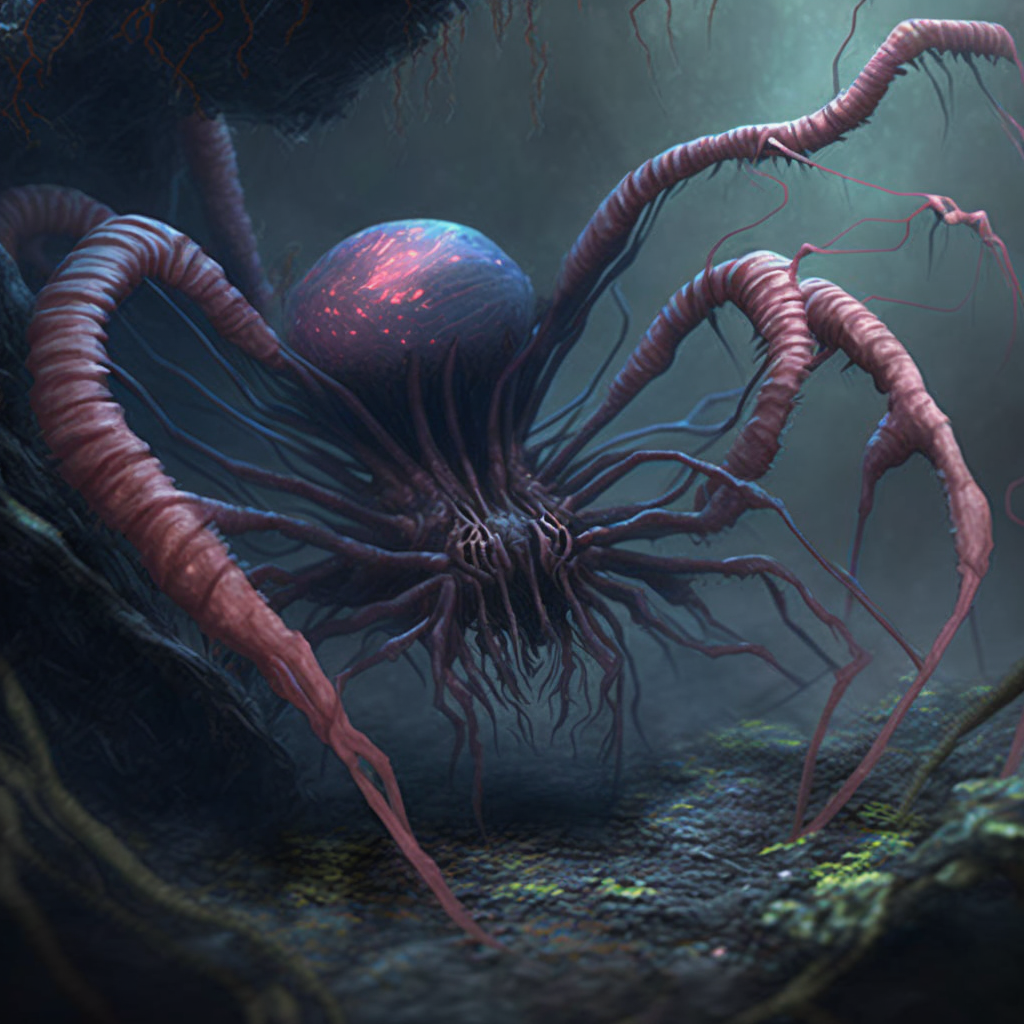
#191 Sabbi san

Sabbi san are a phylum of four-legged microscopic tardigrades first described by Austrian zoologist Robby Saab in 2195, who discovered them in a tainted cave water sample. Sabbi sans move quickly in water or on land with a gait that closely resemb...

COMMON

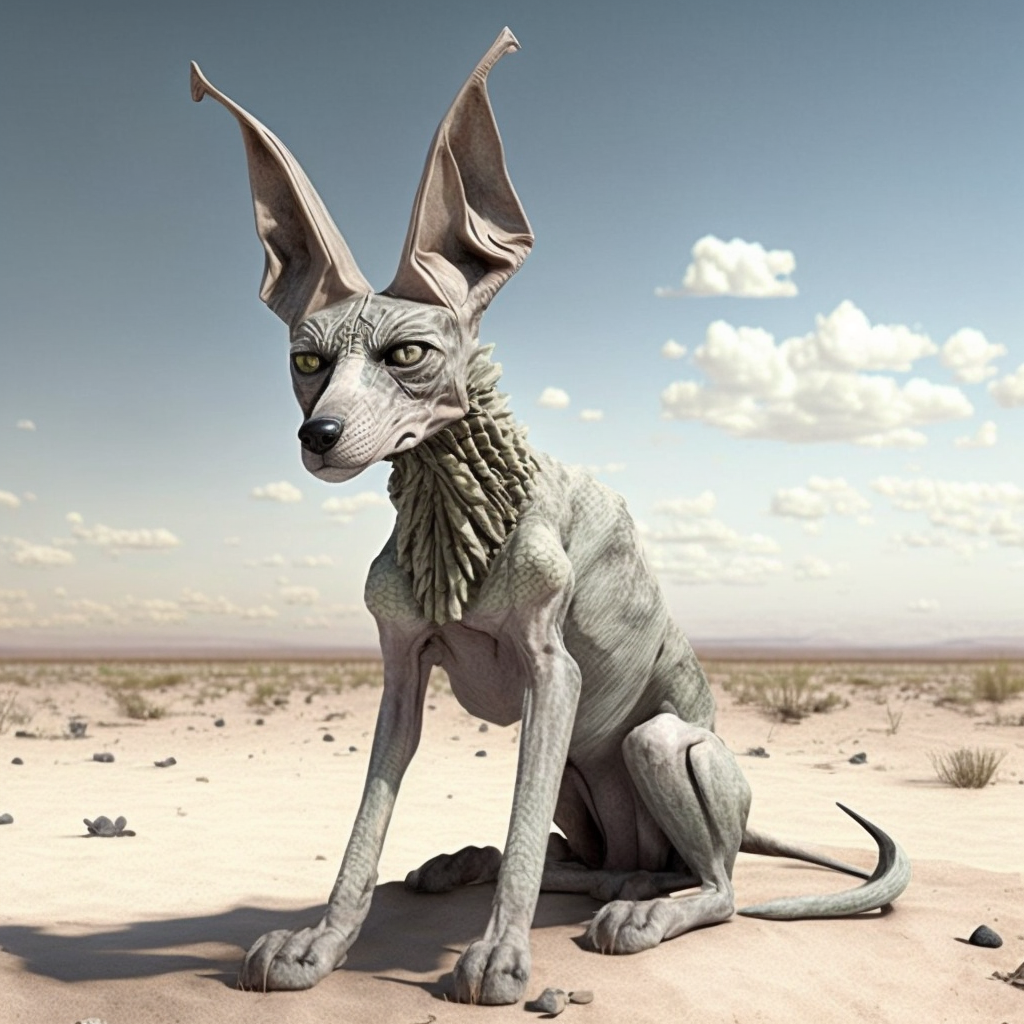
#211 Dromlek

Dromleks are intelligent, flightless birds that originate from a far-off galaxy where gravitational directionality frequently changes, and dromleks therefore evolved omni-directional legs to compensate for sudden directional shifts. They are able ...