RARE

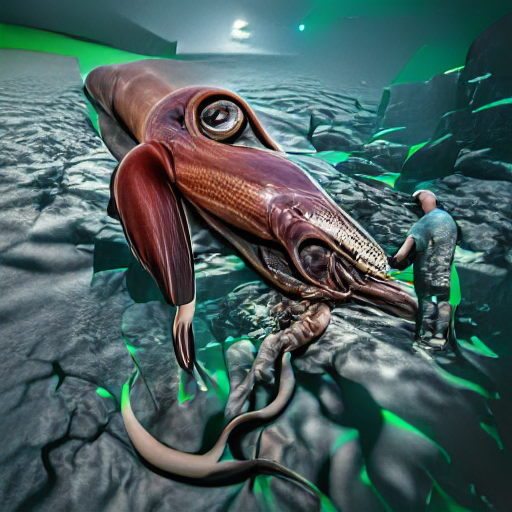
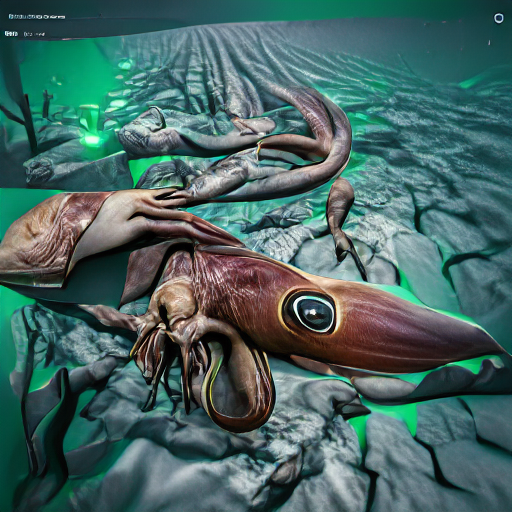
#087 Red-eyed Deepsquid

It's a rare occurrence for a red-eyed deepsquid to wash ashore, but certain coasts make a habit of it more often than others. It is unclear how the beached deepsquids we've seen have died, nor is it clear where in the deep oceans they call home. Deep-sea explorers have found no signs of them in any expedition and their origins and behaviors remain largely a mystery.
Found in
Release Date March 24, 2022
Sign up for a free account to claim this creature as your own.

by NovelGens

by NovelGens

Discover other creatures

Explore an endless universe of ficticious life on NovelGens.
RARE

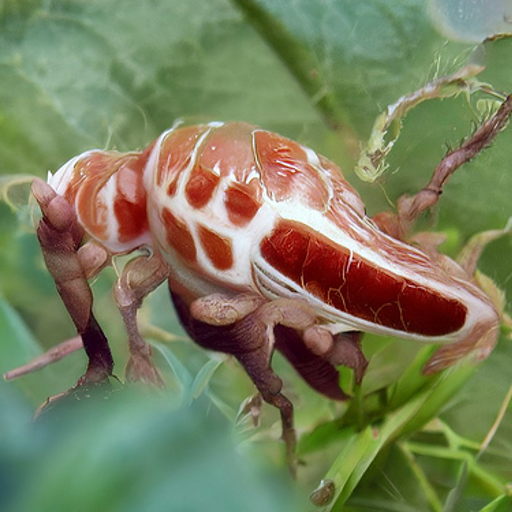
#083 Weretree

When a werebeing sheds blood into groundwater, in some rare cases a nearby tree may absorb it and transform into a weretree. After around six weeks of transformation time, the weretree's bark feels rubbery; the branches grow large, meaty muscles; ...

UNCOMMON

#206 Mooshan

Mooshans are large, furry animals with thick, metallic fur. They live in forests and eat mostly plants, but they also like to hunt mice and other small animals. They are extremely intelligent and can learn to speak a language other than their own....

COMMON

#188 Crysion

Crysions exhibit an interesting physical phenomenon not entirely understood yet by scientists: the refraction of their scales reflects light such that crysions are only visible in water and invisible out of water. After death, the crysion's scales...

UNCOMMON

#229 Tehrer

The tehrer is a small, flightless bird originating from volcanic islands in the south. Tehrers are extremely fast runners and use their powerful legs to leap from tree to tree, often reaching airborne heights and speeds such that they unintentiona...

COMMON

#315 Tableu

Tableu are artificial, lab-designed mammal-likes that were designed for domestication into dense populace housing. Tableu are known for their eponymous "table", a hardened appendage on top of their head that they perpetually hold perfectly paralle...

COMMON

#339 Karkat

Karkats are medium-sized creatures that spend most of their time on the ocean floor, though they will occasionally come to the surface for air. They have hollow bones and two long, nearly prehensile tails that help them to swim quickly. When they ...