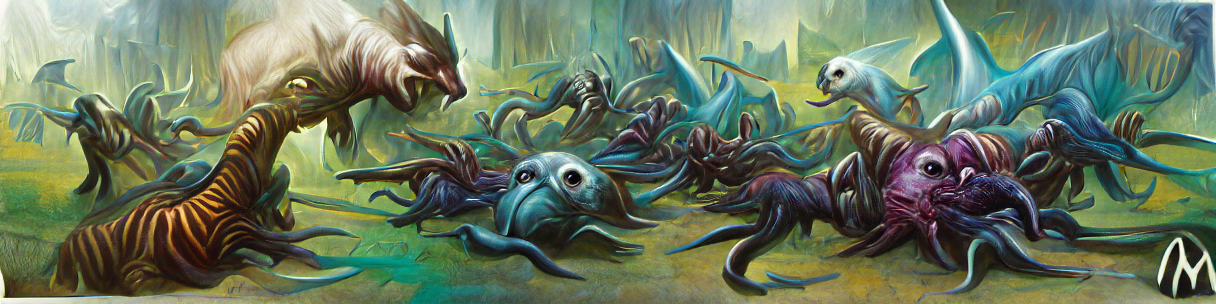

Currently...
Biome Modifiers
Permanent darkness
The sun never rises in this biome, bathing it in eternal darkness.
Bountiful resources
Food and water are extremely plentiful in this biome.
Holy site
This biome is a holy site with historical significance for a local religious group.
Creatures found in the Aighfet Airspace
RARE
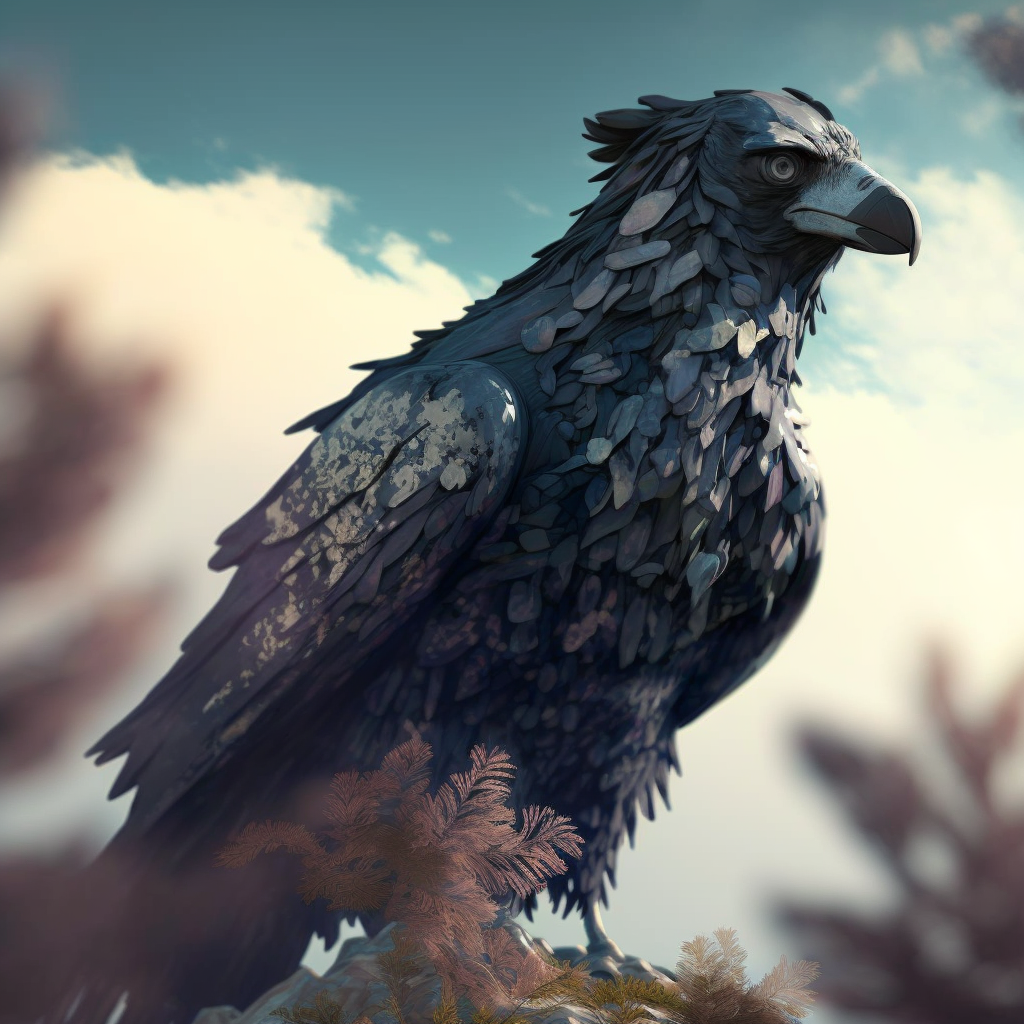
#347 Spectrowl
This large avian is colloquially known as the "master of camouflage" because of the hard, spectral shards that cover its body. These scales contain thousands of prisms that capture ambient light and reflect a perfect representation of an uninterrupted atmosphere, effectively r...
#347 Spectrowl
UNIQUE
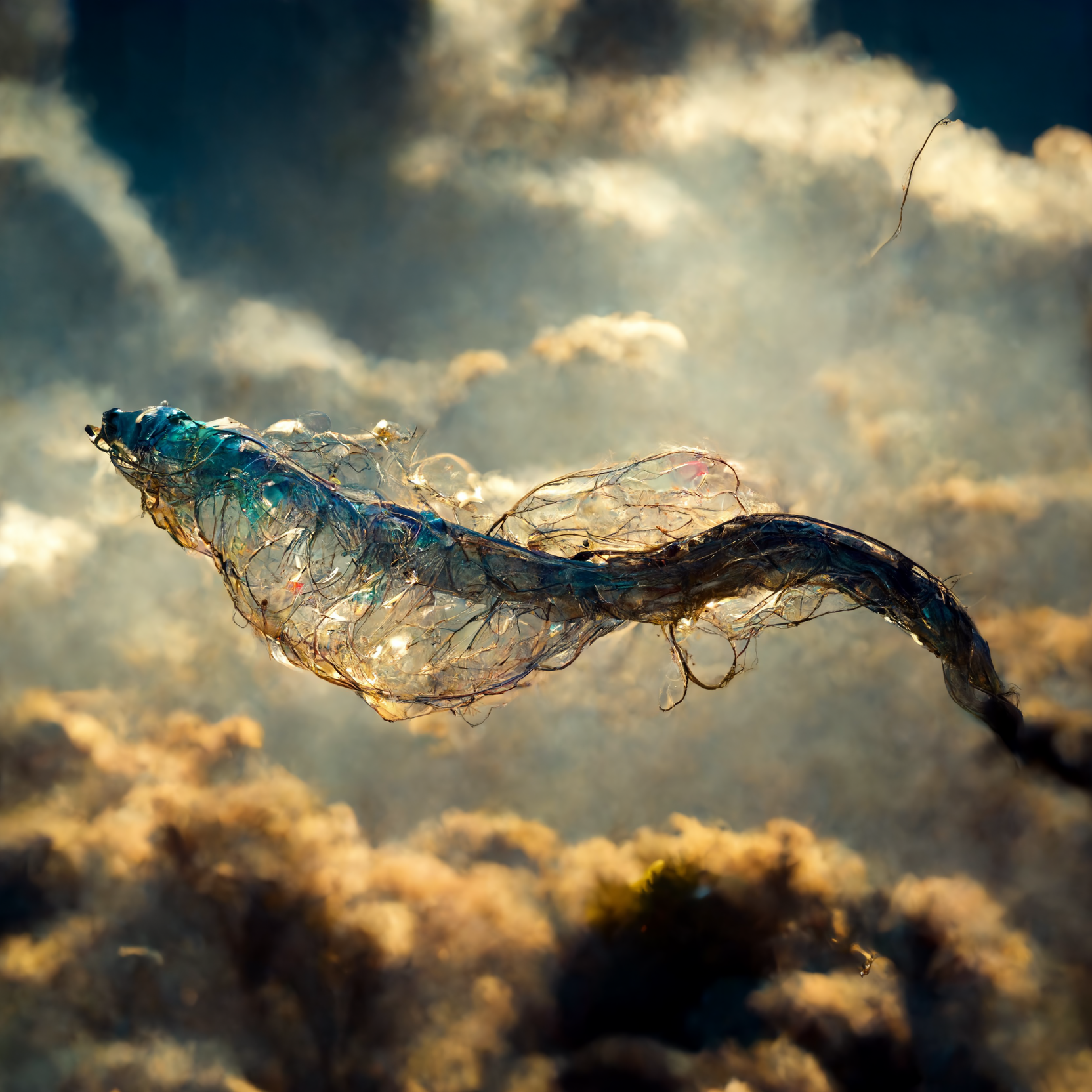
#231 Ephflynne
Ephflynnes are enormous creatures that swim through the air at speeds of up to one thousand miles per hour. They're completely translucent, but they can change the wavelength of light they reflect to blend in with their surroundings or to make themselves visible. They eat mass...
#231 Ephflynne
RARE
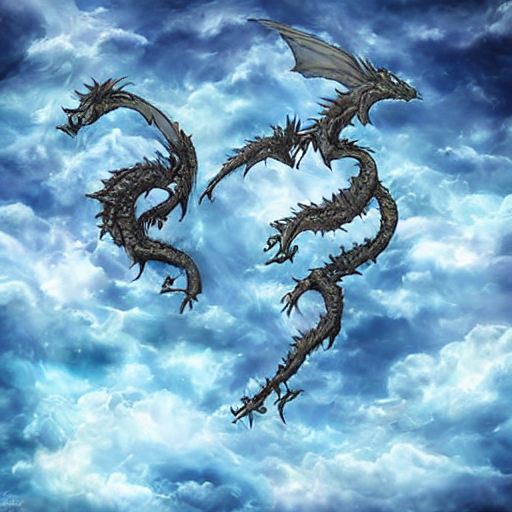
#151 Zamperk
Zamperk are large, powerful creatures related to ancient dragons, but classified as a modern hydra. They are covered in thick dragon scales made of opaque crystals and have large, razor-sharp claws and teeth. They have long, whip-like tails with an accelerated regeneration fac...
#151 Zamperk

COMMON
#174 Sanguaven
The night ravens with luminous, blood-red eyes in the south are colloquially known as sanguavens, although they've had many names throughout history. Sanguaven eyes have a unique reflective property that redshifts light and amplifies its reflection, resulting in their bright r...