Currently...
Biome Modifiers
Cursed
The gods have cursed this biome for eternity.
Forbidden
It is against local laws to visit this biome. None are allowed to enter.
Haunted
It's said that ghostly creatures haunt this biome.
Creatures found in the Llayerfie Coast
RARE
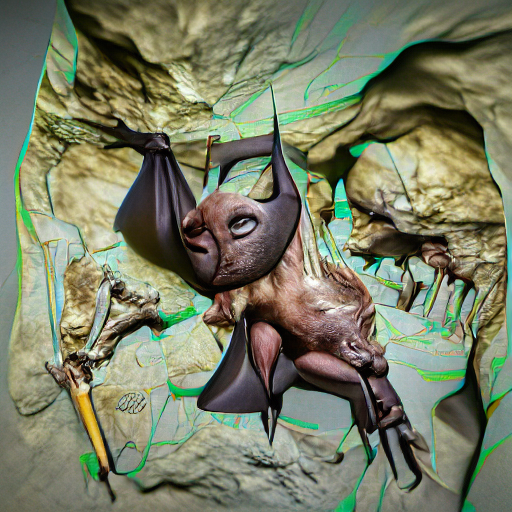
#105 Girflet
Girflets are creatures typically found in the damp undergrowth at the base of forest cliffs. When disturbed, they will race away at high speed, firing off seedpods into the air. On the ground, these seedpods bury themselves into loose dirt and sprout into a full-grown tree, ma...
#105 Girflet

RARE
#204 Klelag
Klelags are peaceful creatures of the southern tropical islands. They live in groups of around ten and create elaborate, beautiful nests of grass and palm fronds out at sea. Their favorite food is the silver-striped pike-perch, which they can be found fishing for in the shallo...
#204 Klelag
COMMON
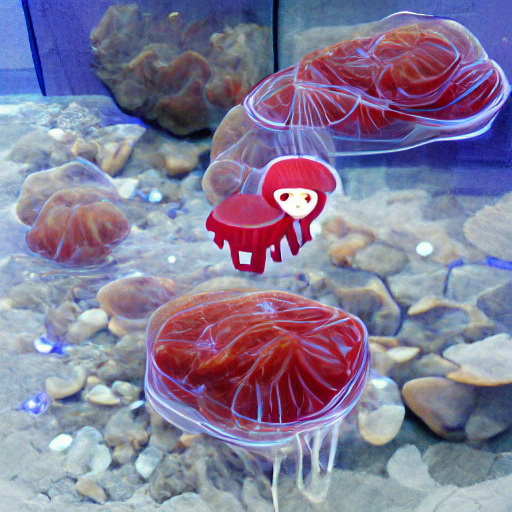
#091 Mouma
Mouma often live among jellyfish herds, but are more closely related to goldfish. Their bright, red coloring is a deterrent to most aquatic predators, although they're squishy and delicious. Mouma are a common pet for schoolchildren because of the expressive, silly faces they ...
#091 Mouma
RARE
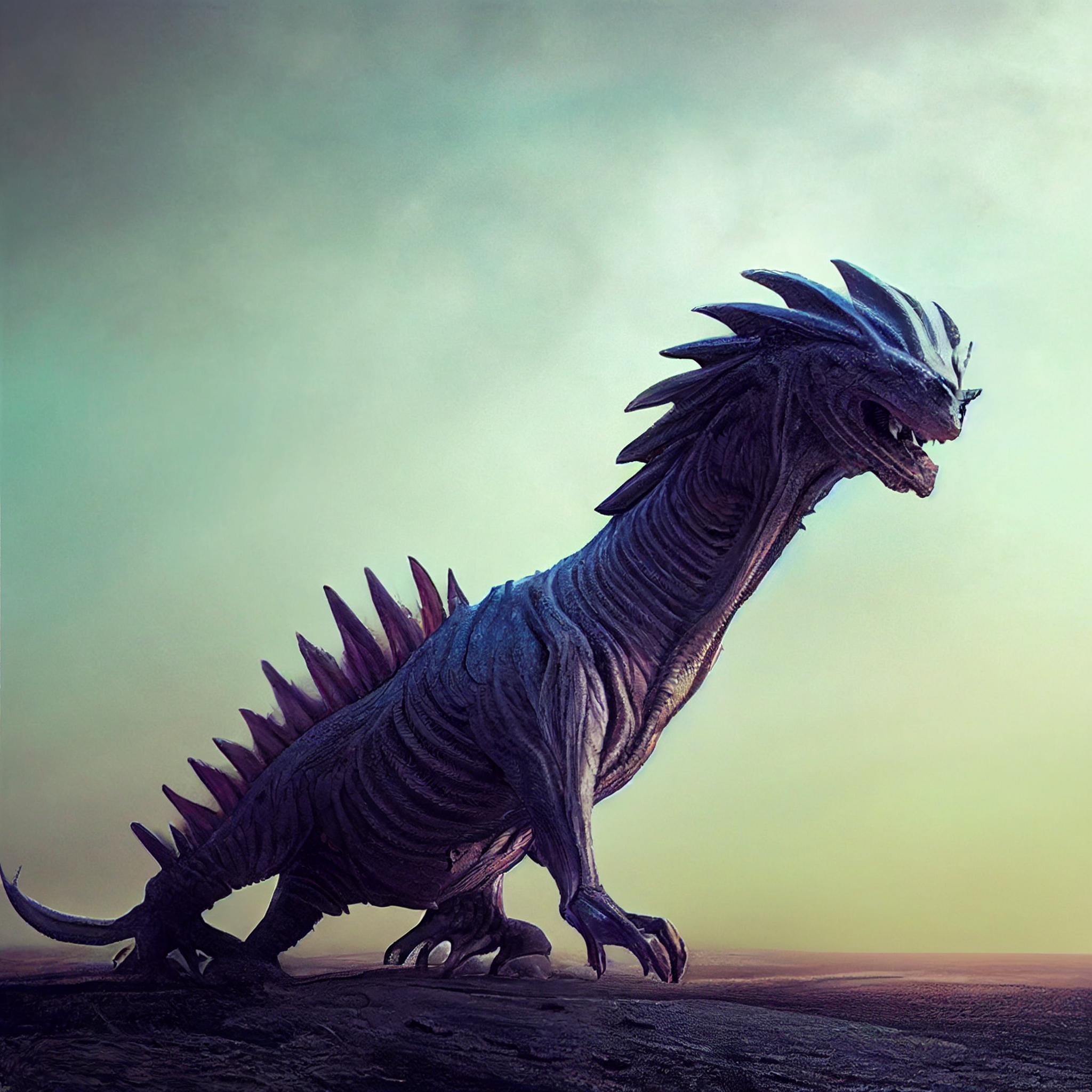
#309 Vargon
Vargons are enormous, thick-skinned reptiles that form the natural apex predator in the kingdom of Skulnir. They are visibly descended from several different creatures and have four clawed feet and feathery wings, which are hidden beneath their thick, leathery skin. They have ...
#309 Vargon

COMMON
#104 Ayri
Ayris are large, green worms that live near shallow waters. They can grow to be up to ten feet long and weigh up to four hundred pounds. They have a mouth with a large tongue in the middle of their head, which they use to feed on small fish, crabs and other marine animals. Ayr...