RARE

#109 Swox Majora

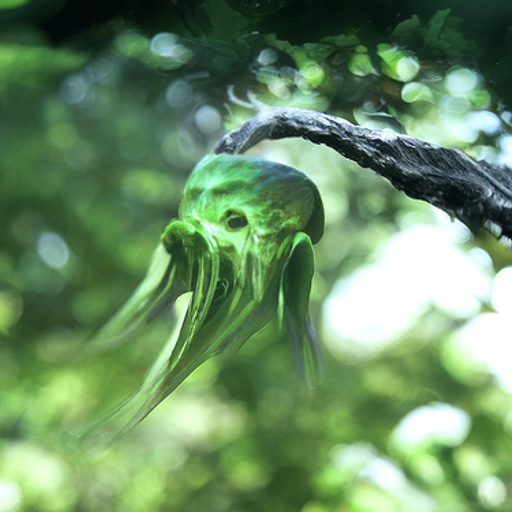
The swox majora is an exotic variant of the common swox moth that grows several magnitudes larger than their minora cousins. Swox majora have unwieldy, feathery wings that are heavy with the pearlescent pigments they use to attact mates. Any time the air gets too moist, swox majora are forced to lie out and sunbathe until their wings are dry enough to fly. As such, they prefer the drier climates atop mountains and largely keep to themselves, although they've evolved a wide array of defence mechanisms that have proved useful against most predators.

Found in
Tags
Release Date April 15, 2022
Sign up for a free account to claim this creature as your own.

♥ 2

♥ 1

Discover other creatures

Explore an endless universe of ficticious life on NovelGens.
RARE

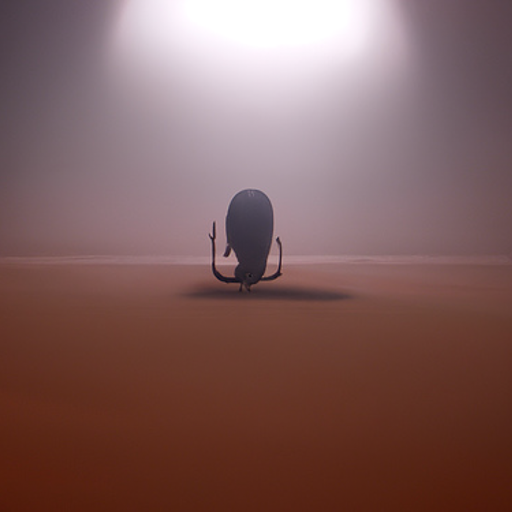
#062 The Acolyte

Not much is known about the acolyte, including whether it's one creature or many. However, many travelers have reported that they've witnessed the acolyte while dying in nearby deserts. The description of the experience varies wildly from person t...

COMMON

#053 Electrofly

Electroflies are gaseous clusters of friendly, intelligent sublife that often physically get caught in airwave currents or magnetic fields, scattering the cluster in a perpetual cycle of trying to reform the cluster's desired shape and structure, ...

UNCOMMON

#270 Whisper

Whisper bulbs (also affectionally known as "screamers" in windier locales) are sentient plant-animal hybrids that eventually emerge from trees pollinated by The Whisperer. Whispers are also capable of reproducing by infecting the tree with a virus...

COMMON

#178 Xi'gind

The xi'gind is an unintelligent creature that shares more DNA with terrestrial flora than fauna. A single xi bulb, given the proper care and environment, can sprout a newborn xi'gind within a matter of weeks. Although the xi'gind head then grows v...

COMMON

#203 Hakaji

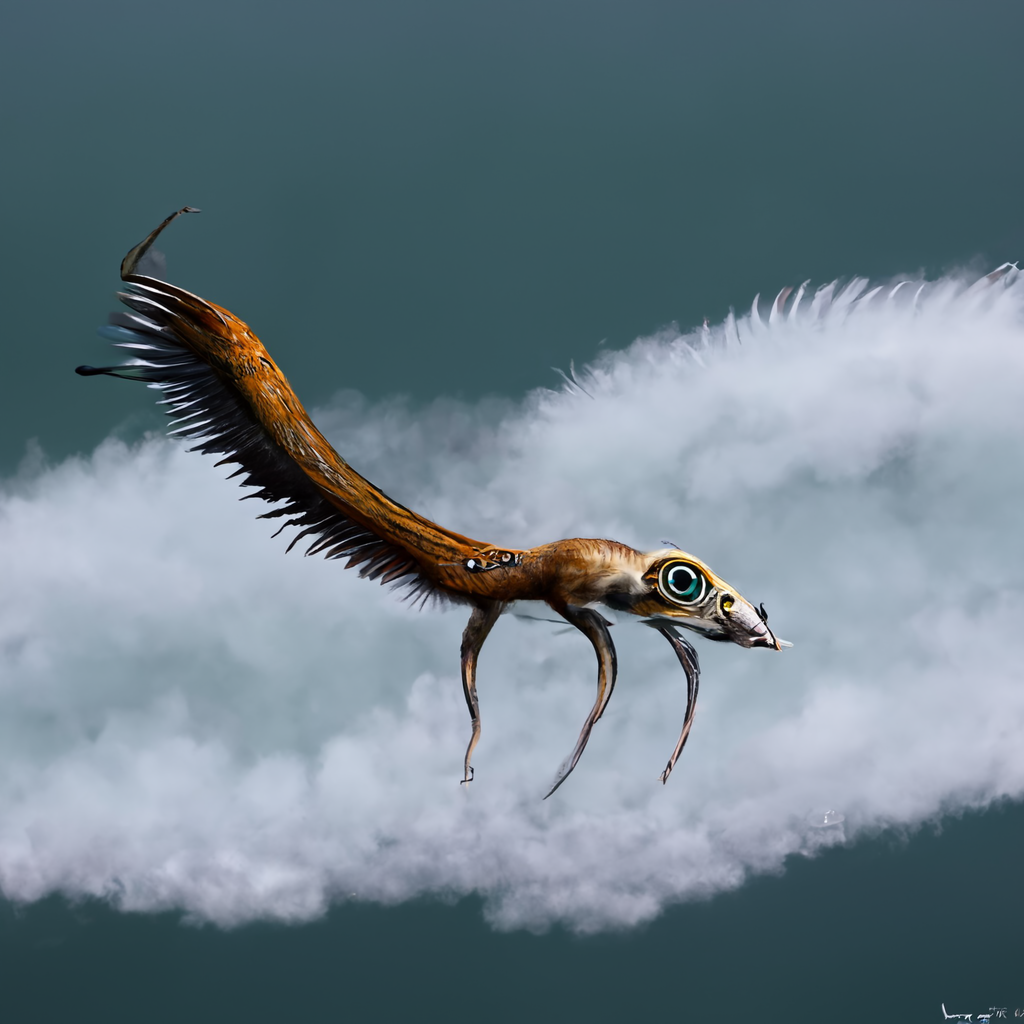
Hakaji are small, dimorphic reptilian creatures with a bug-like head and legs. Hakaji bodies are extremely light, allowing them to briefly float even in still air. They spend most of their time up in the sky soaring on the thermals, and can occasi...

UNCOMMON

#284 Senjfisk

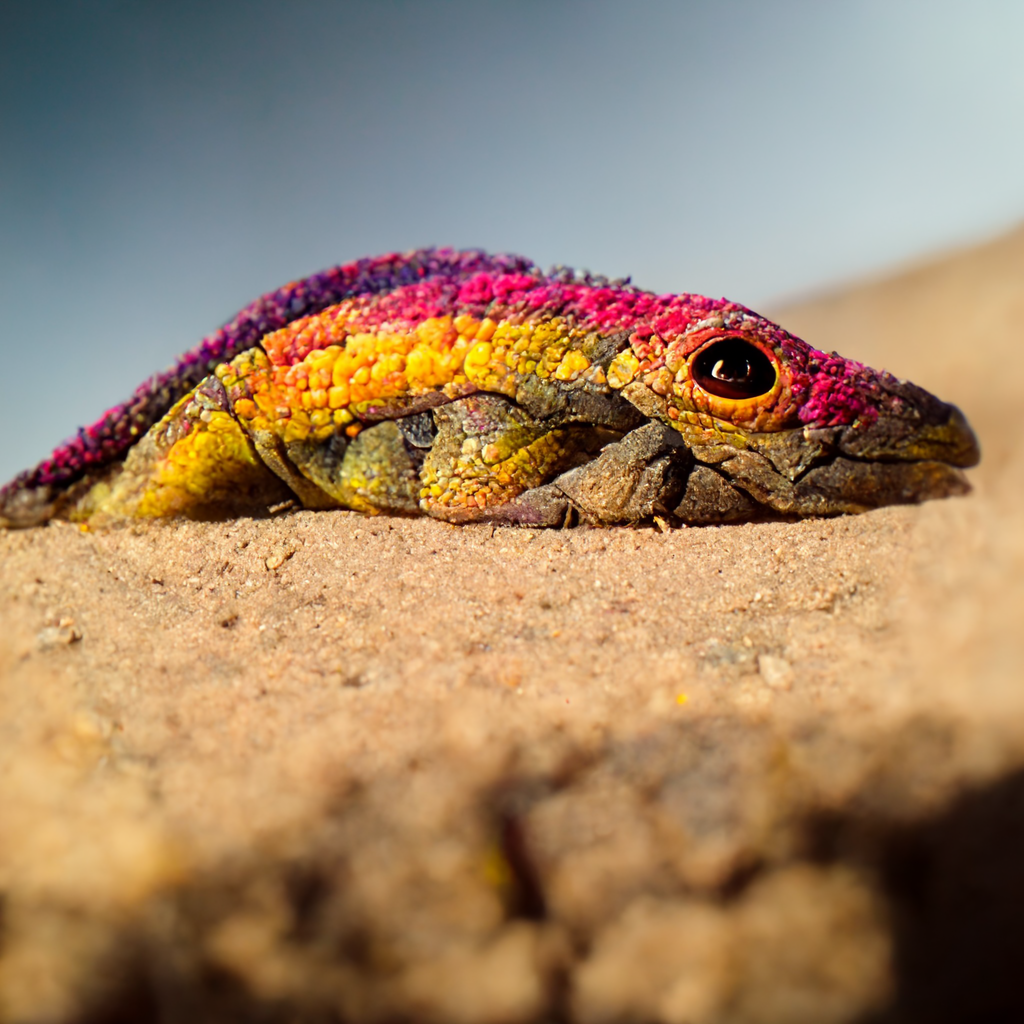
Senjfisk use thousands of microscopic limbs to move sand around them, enabling them to effectively swim through sand and loose dirt. These nocturnal carnivores also undergo a biological stasis while sleeping, which completely stops all but their m...