UNIQUE

#127 Joprao

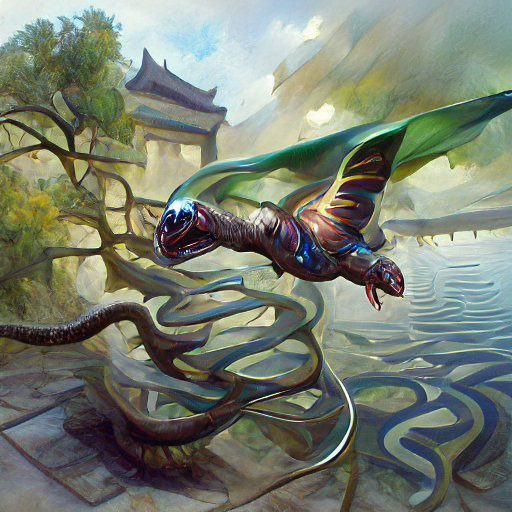
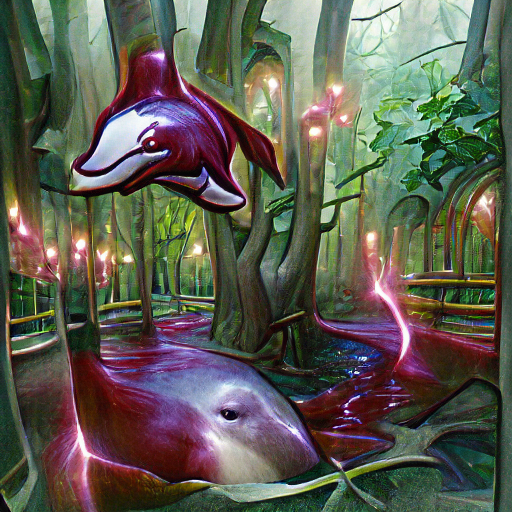
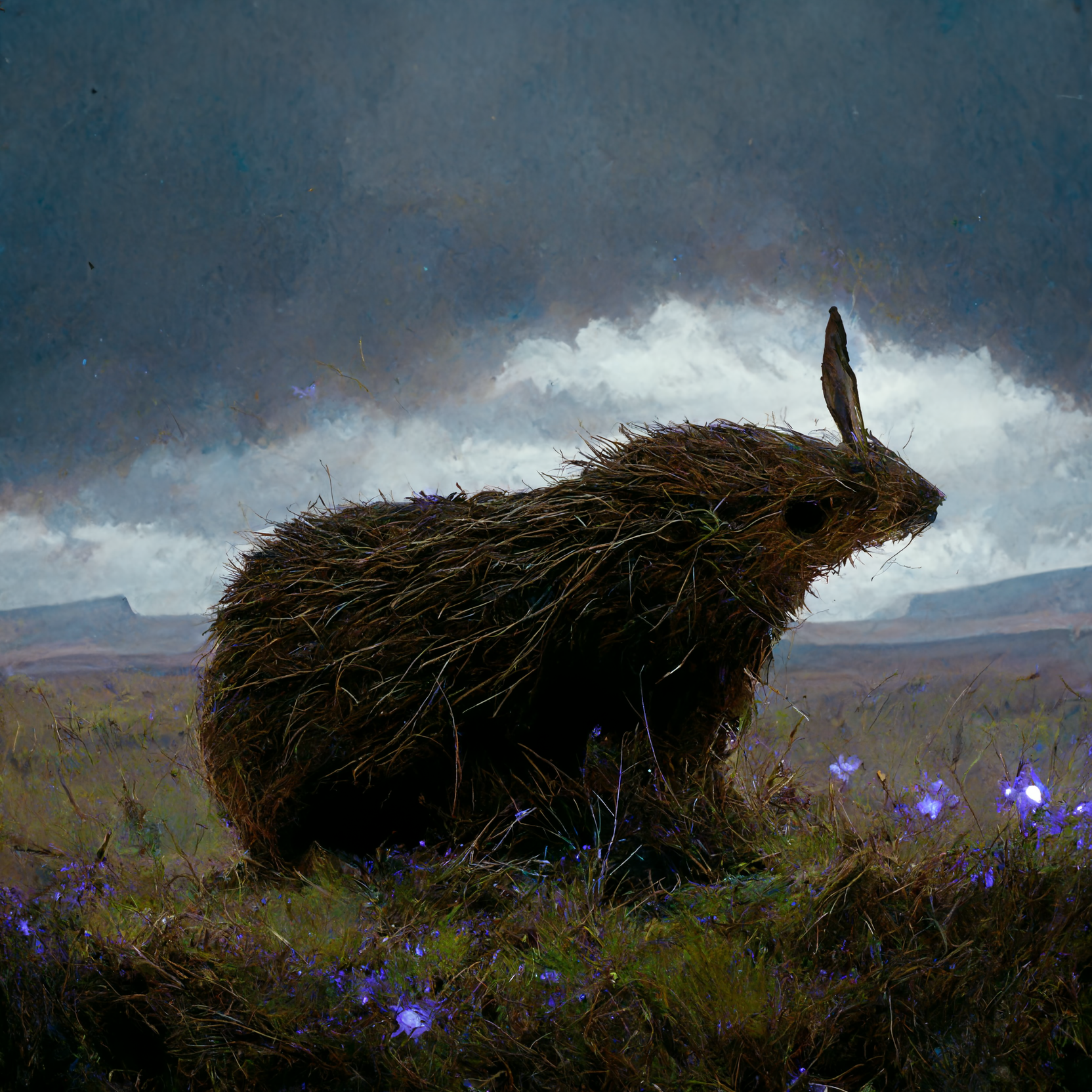
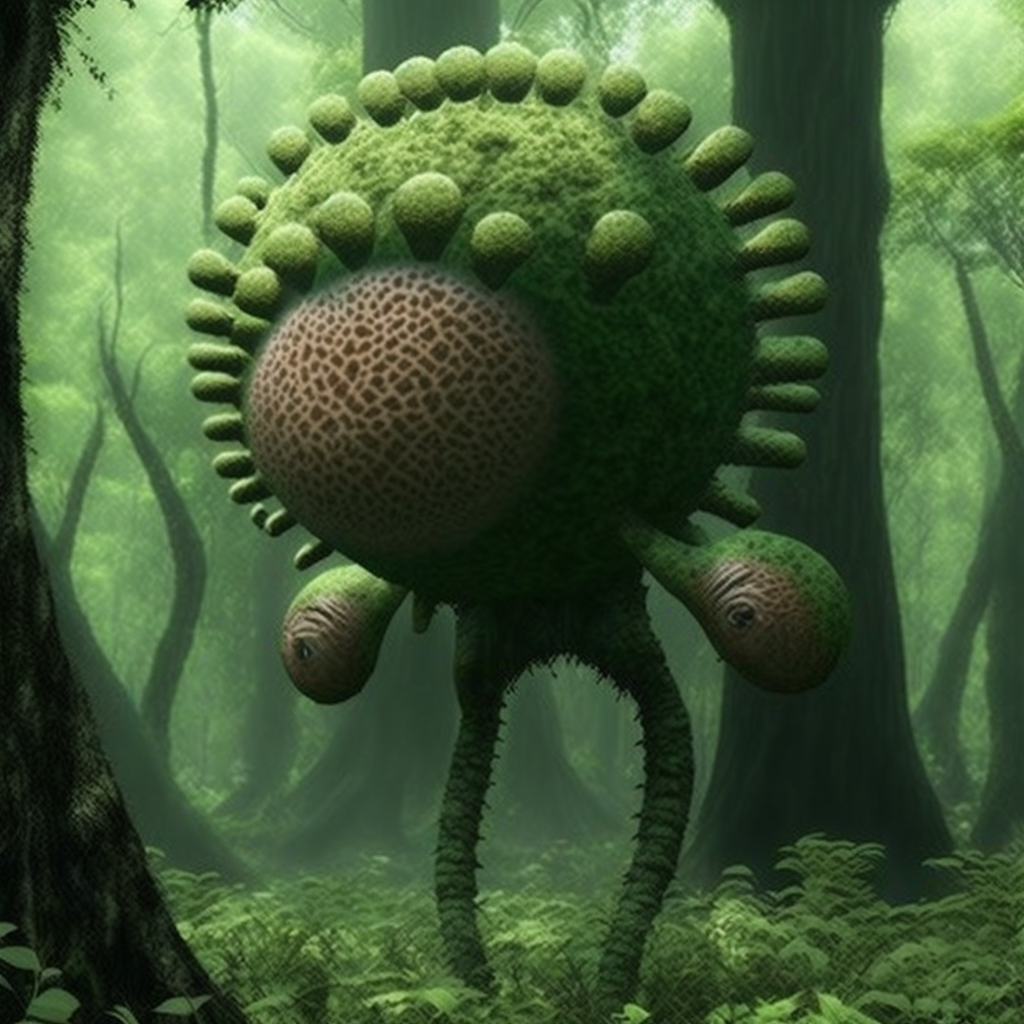
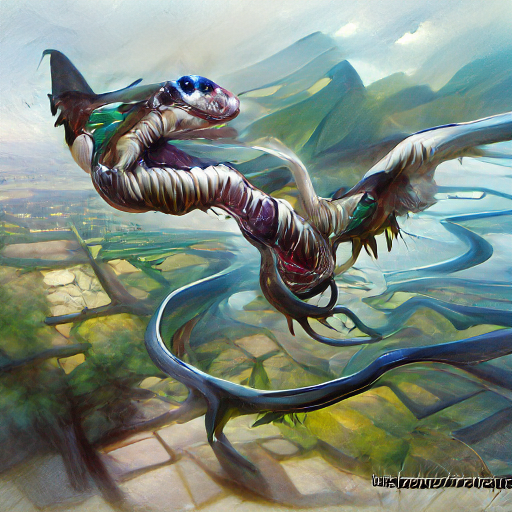
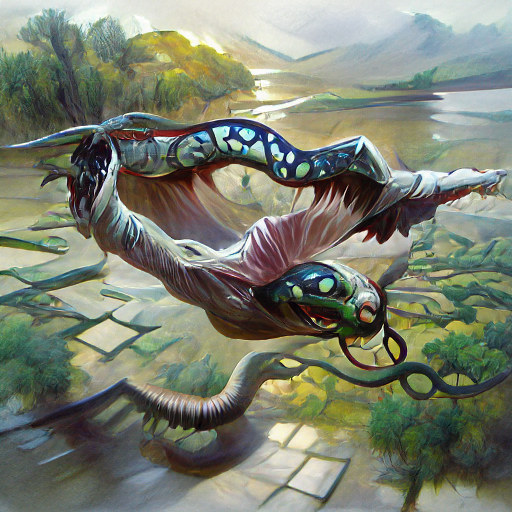
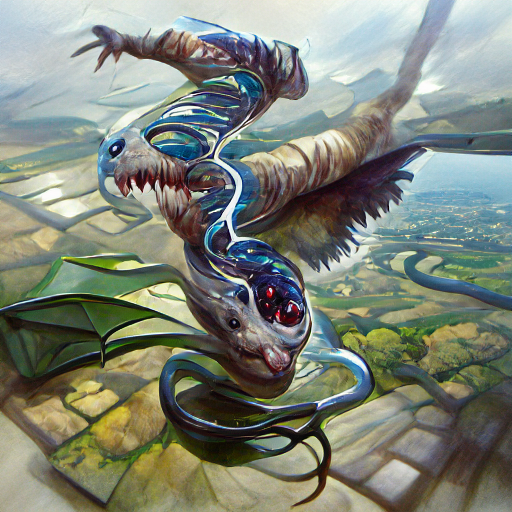
The joprao is a flying, amphibious creature which grows to be about four meters in length. It makes its nest in the long grasses of the savanna, where it lays and incubates its eggs. In order to attract mates and protect its territory, the joprao will create long, brightly colored ribbons of hair, which it attaches to its back and chest. When a male joprao is attempting to win a female, it will flap its wings to produce a high-pitched clicking sound at a unique frequency which only their mate will hear. Although few jopraos can hear each other, they can all be heard by humans; as such, joprao mating season is enough to force almost everyone in the area away for weeks at a time.
Found in
Release Date May 03, 2022
Sign up for a free account to claim this creature as your own.

by NovelGens

by NovelGens

by NovelGens

by NovelGens

Read stories about this creature

Stories are from NovelGens writers. Sign up to write yours

PUBLISHED June 9, 2022

/that/ time of year by MJ

"Is everything in the car?" My dad calls from the front door. His glasses are low on his nose, making the bags under his eyes look even larger. He's wearing a burnt orange vest over a black t-shirt with khaki cargo shorts in true dad fas...

Continue Reading 582 words 2 min read 7 kudos

Discover other creatures

Explore an endless universe of ficticious life on NovelGens.
UNCOMMON

#035 Desert Decot

The desert variation is a little rarer than the common decot and typically lives in isolation in abandoned structures in the desert. Its long hair is actually paper-thin and provides shielding against the sun and sandstorms without much added warm...

UNCOMMON

#245 Golden Chotlack

The golden chotlack is a small mammal that used to live in the jungles and woodlands of the planet, but has since wholly migrated to caves underground. It is known for its nocturnal habits, its ability to use echolocation, and its ability to weave...

RARE

#083 Weretree

When a werebeing sheds blood into groundwater, in some rare cases a nearby tree may absorb it and transform into a weretree. After around six weeks of transformation time, the weretree's bark feels rubbery; the branches grow large, meaty muscles; ...

RARE

#046 Camp Spirit

Camp spirits only appear in cases where a human body has been burned alive and left alone. It's unclear how they form, but scientists have narrowed it down to something in the bones reacting to long-term exposure to ashes. They were common during ...

COMMON

#307 Kubup

Kubups are brightly-colored arboreal creatures that can jump up to 100 feet high. They are an important part of forest ecosystems, as they feed on dead tree leaves and recycle them into nutrients for the trees. They typically climb to the very top...

COMMON

#333 Gremalf

The gremalf can be found in large herds in forests, hills, and mountains. Gremalves are large, cloven-hoofed animals that are kept by many farmers for their rich, orange milk. A gremalf herd is usually led by a single dominant female known as the ...