RARE

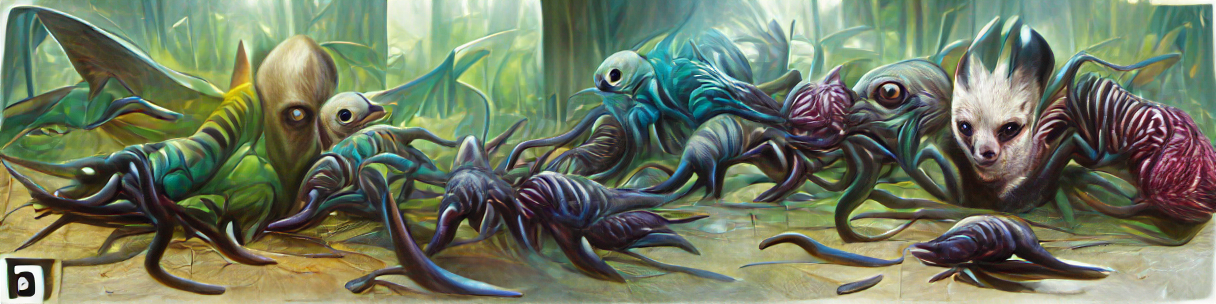
#209 Beleymer

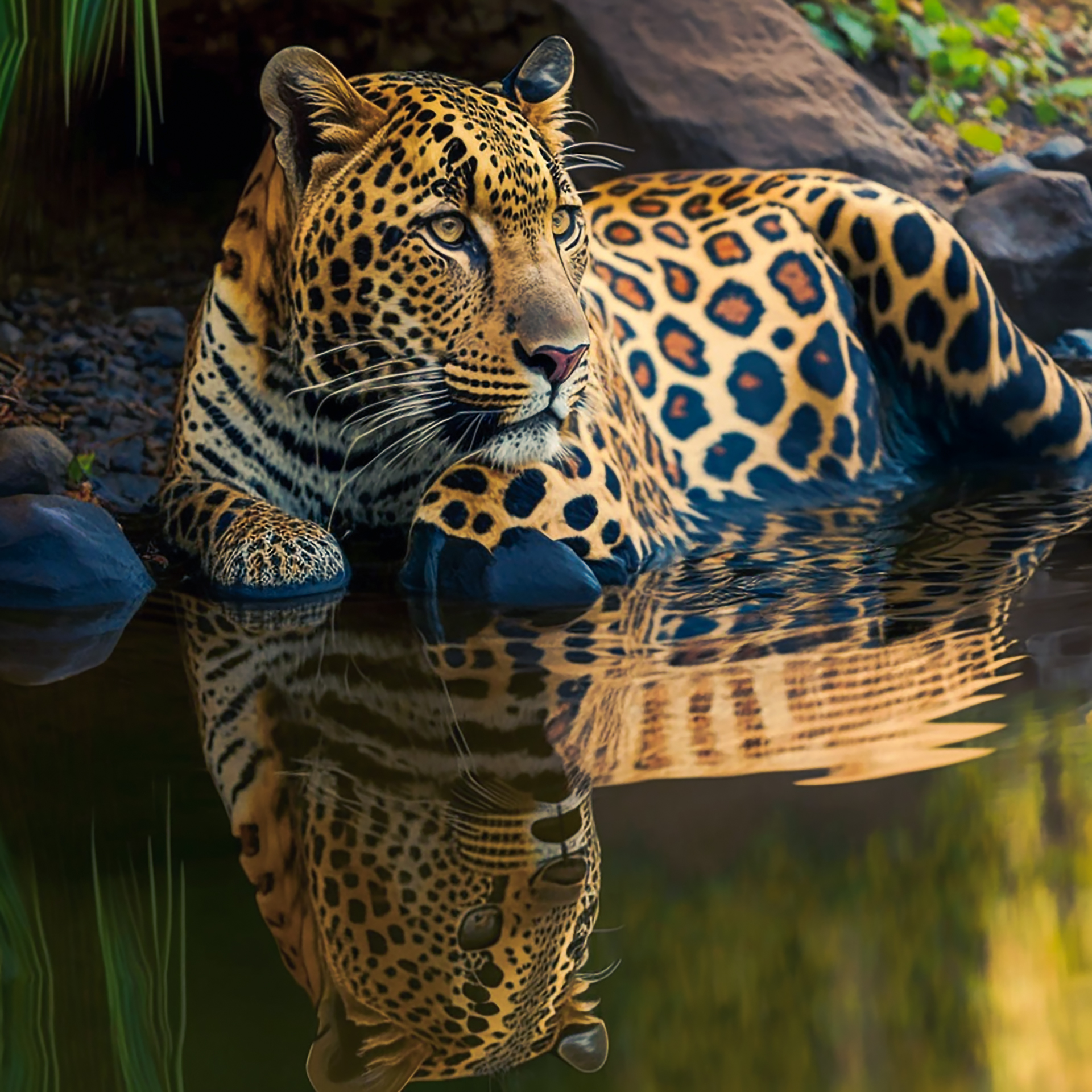
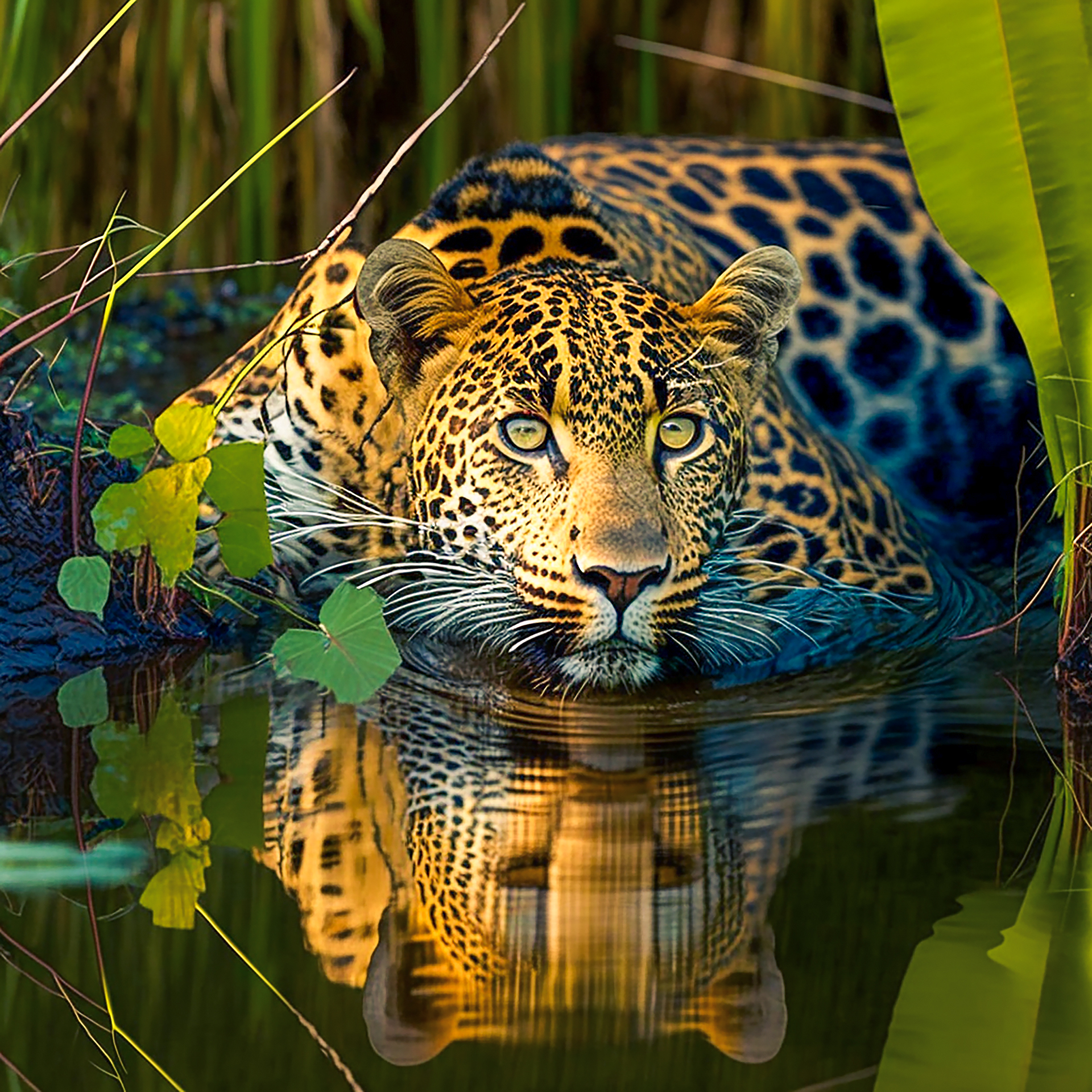
Beleymers are enormous, leopard-like creatures that live in the swamps and marshes in the north. When they are not hunting and eating, they enjoy wallowing in mud and sleeping in the sun. Beleymers live in families and often work together to catch prey, forming long-term familial communities. Beleymer fur is extremely thick and heat-resistant, making their pelts extremely valuable to colder societies.

Release Date July 24, 2022
Sign up for a free account to claim this creature as your own.

♥ 1

♥ 1

Discover other creatures

Explore an endless universe of ficticious life on NovelGens.
RARE

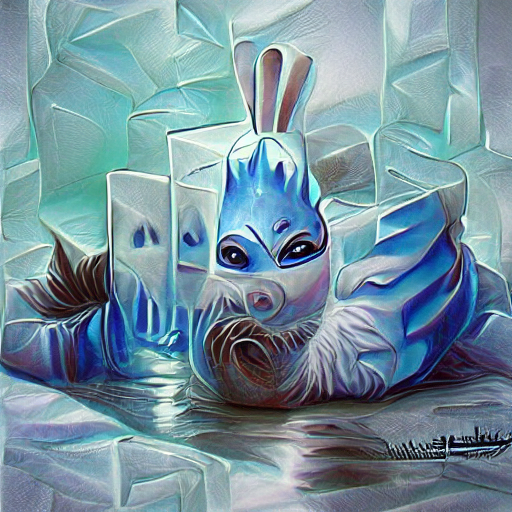
#028 Ala Dimio

Ala dimios (commonly also referred to as just "alas") are descendents of ancient, magical dragons. While they lack the magical prowess of their ancestors, they've thrived physically and dominate the highest skies with wind attacks and a gigantic h...

RARE

#106 Sidjif

The sidjif is a large, snakelike creature that is commonly used as a mount for the orcs and goblins of the world. Their massive bodies can grow up to 60 feet in length, and are powerful and muscular enough to support the weight of ten riders. They...

RARE

#044 Zweifhlaightte

Zweifhlaughttes are colossal slugs from a time long before humans that have an interesting physiological compartmentalization not present in other species on the planet. The majority of the body remains buried underground in self-dug caves, while ...

UNCOMMON

#180 Scordul

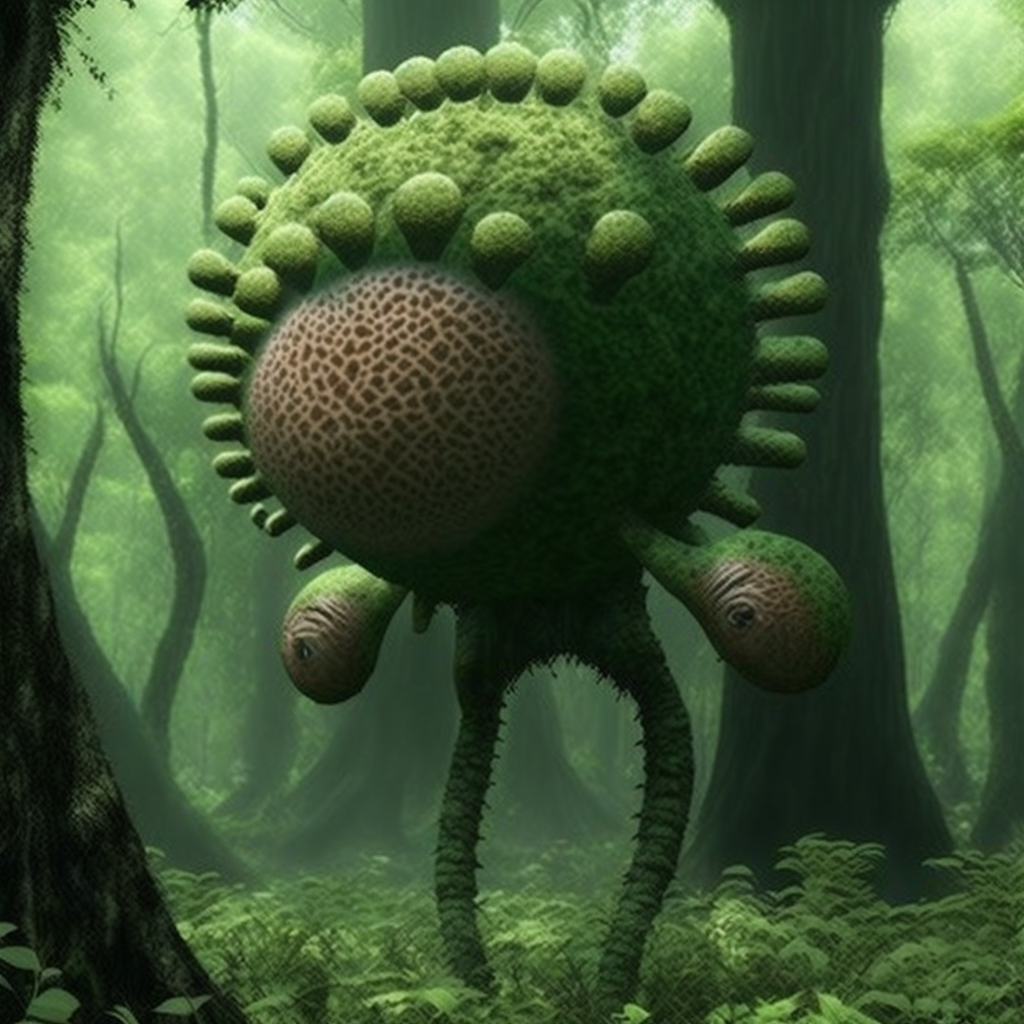
Scorduls are large, slow-moving amorphous blobs of flesh and bone that live in the forest. They are nocturnal and will often hide in caves or behind rocks, waiting for prey to come close. They can also camouflage themselves by changing their shape...

RARE

#204 Klelag

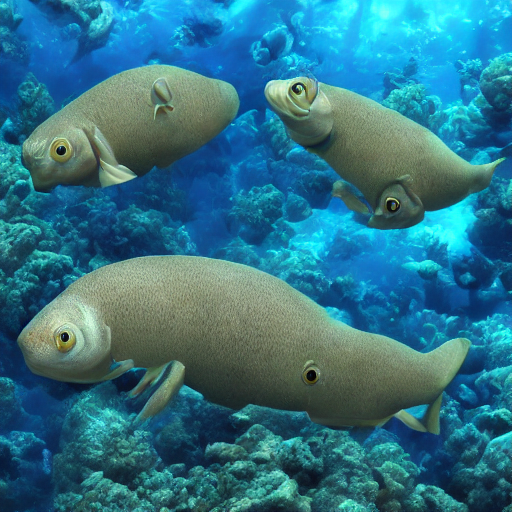
Klelags are peaceful creatures of the southern tropical islands. They live in groups of around ten and create elaborate, beautiful nests of grass and palm fronds out at sea. Their favorite food is the silver-striped pike-perch, which they can be f...

UNCOMMON

#284 Senjfisk

Senjfisk use thousands of microscopic limbs to move sand around them, enabling them to effectively swim through sand and loose dirt. These nocturnal carnivores also undergo a biological stasis while sleeping, which completely stops all but their m...