COMMON

#048 Dolli Buea

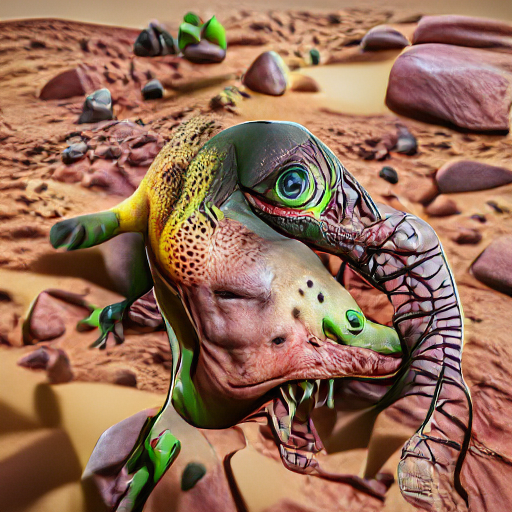
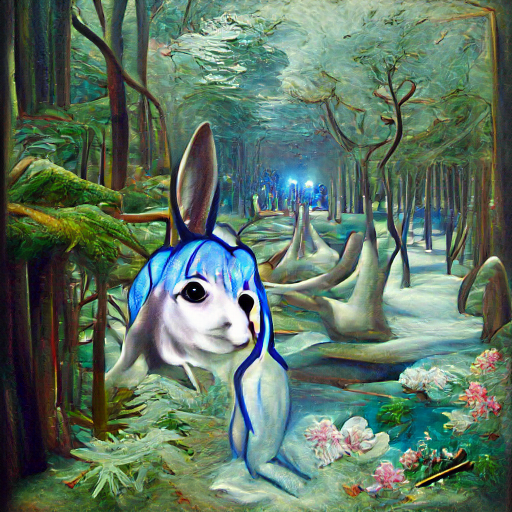
Dolli Buea are large creatures that inhabit the arboral wetlands. While they are generally large in size, they seem to be able to freely swim in even the smallest of puddles and are somehow able to fully submerge themselves and re-emerge in another body of water. The water any buea swims in becomes impossibly murky, making it impossible to see anything past the water surface.

Release Date February 13, 2022
Sign up for a free account to claim this creature as your own.

Discover other creatures

Explore an endless universe of ficticious life on NovelGens.

UNCOMMON

#042 Heggeh

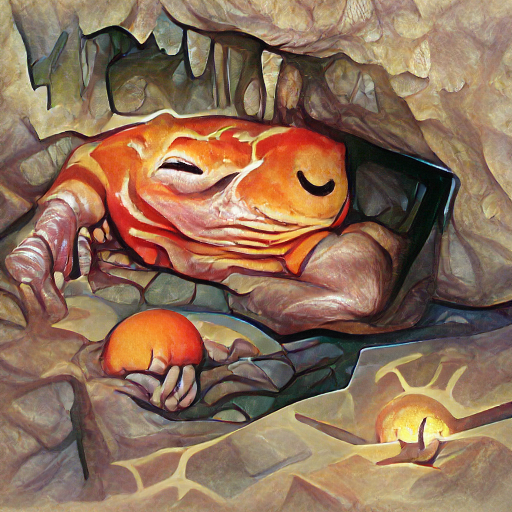
After spending a millennium with the other few, remaining heggehs trapped in a cavern, new generations of heggeh have completely lost their sight and evolved a slower metabolism that allows them to survive off of almost no food, despite their lar...

UNCOMMON

#276 Vuvegge

Vuvegges are small insects common to forests and jungles that don't develop a sense of sight until a late stage of life. During their early "formative" years, vuvegges use their large eyeballs as sacs to store additional food or resources. Vuve...

UNCOMMON

#169 Havough

The large havough bird towers above trees, hills, and mountains with its imposing stature. Although havoughs typically fly into outer space to hunt for food, they often prefer to relax for weeks at a time in our atmosphere between meals. Although ...

UNCOMMON

#216 Zelorgbia

Zelorgbian creatures are relatively simple jellyfish-related invertibrates that live on the edges of the ocean. Zelorgbians come on shore to bask in the sunlight and to lay their eggs. However, they can't move on land and risk dehydration if they'...

UNCOMMON

#284 Senjfisk

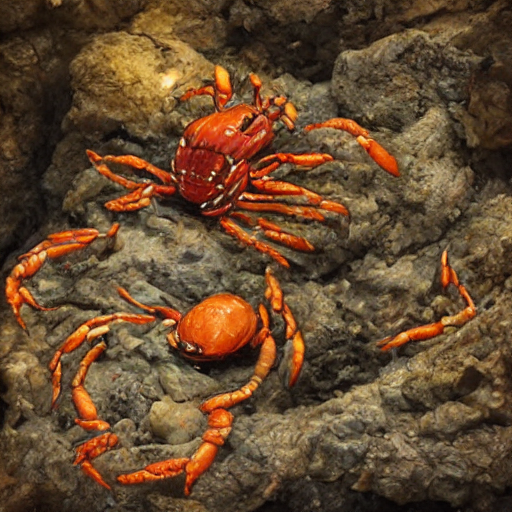
Senjfisk use thousands of microscopic limbs to move sand around them, enabling them to effectively swim through sand and loose dirt. These nocturnal carnivores also undergo a biological stasis while sleeping, which completely stops all but their m...

RARE

#331 Vok'til

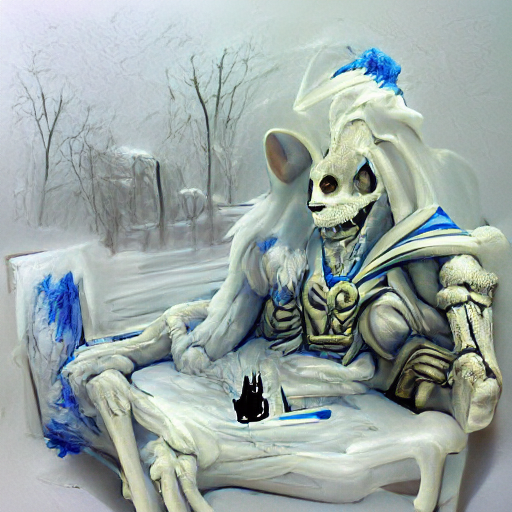
Vok'til are a rare race of reptile that can sometimes be found in dormant volcanos and other warm, cavernous mountains. Although they have small wings, they are incapable of flight; rather, they use their wings to aerodynamically change directions...