
COMMON

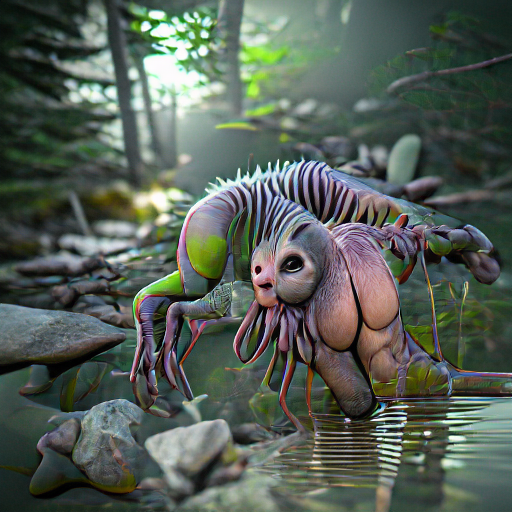
#080 Elphin

Elphins largely inhabit marshy enchanted forests (usually those with a larger body of water within them), although they have also sometimes been seen in nearby freshwater lakes. Elphins are renouned for their above-surface jump heights and accuracy, with world records set around thirty feet high through a tiny hoop. They're also highly intelligent and seem to have a form of language using squeaks and echoes.

Release Date March 17, 2022
Sign up for a free account to claim this creature as your own.

Discover other creatures

Explore an endless universe of ficticious life on NovelGens.
COMMON

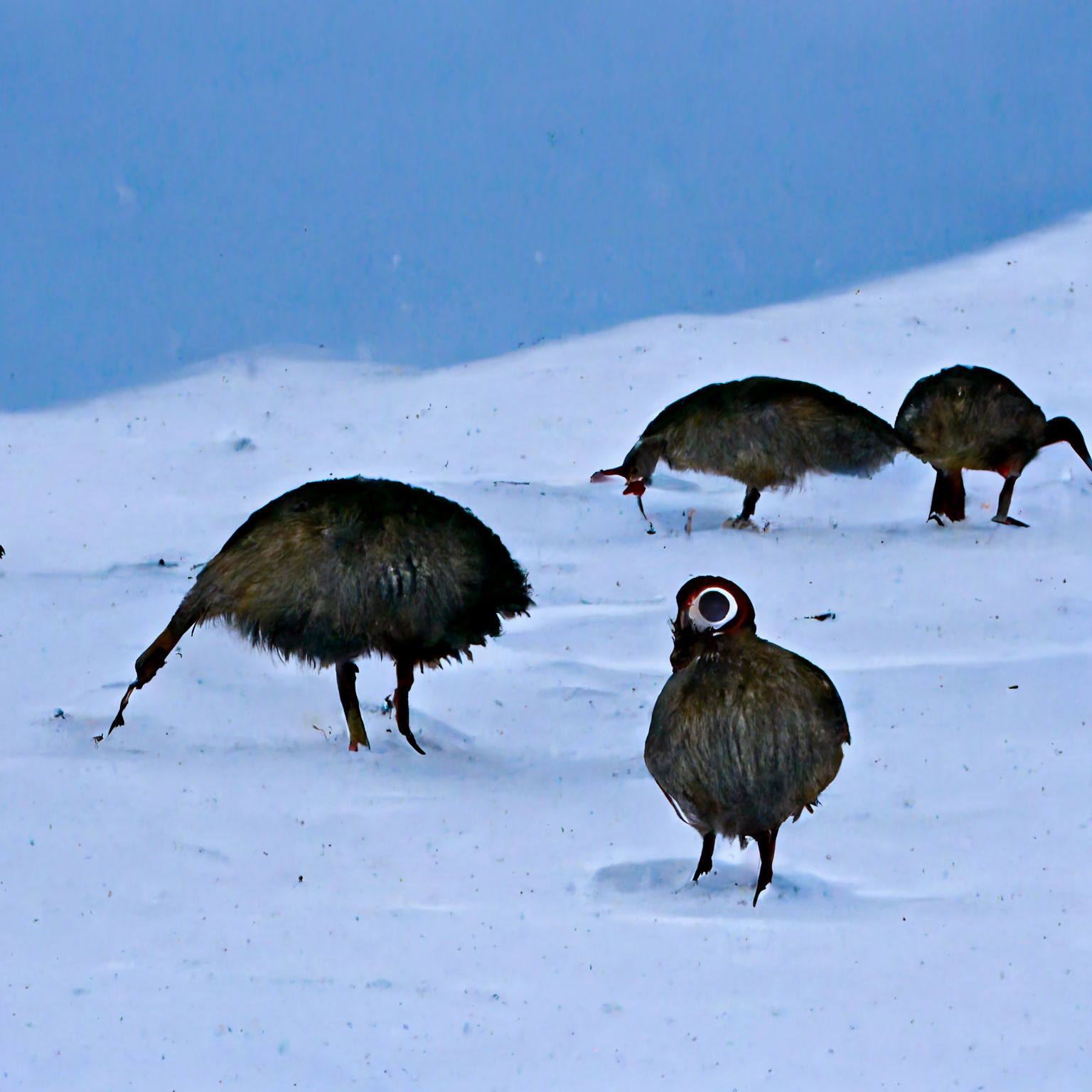
#141 Wartbug

The large wartbug is native to warmer forests on southern coasts, but has slowly spread throughout the continents over the years. They are about as large as a dog and primarily feed on berries and small forest-dwelling rodents. Wartbug shells are ...

COMMON

#093 M'li

M'li are electrically-charged, gelatinous airfish closely related to the ancient jellyfish of oceans. Fleets of m'li are often cared for by farmers who appreciate the m'li's cross-pollination of battery fields. The electrical current that emanates...

COMMON

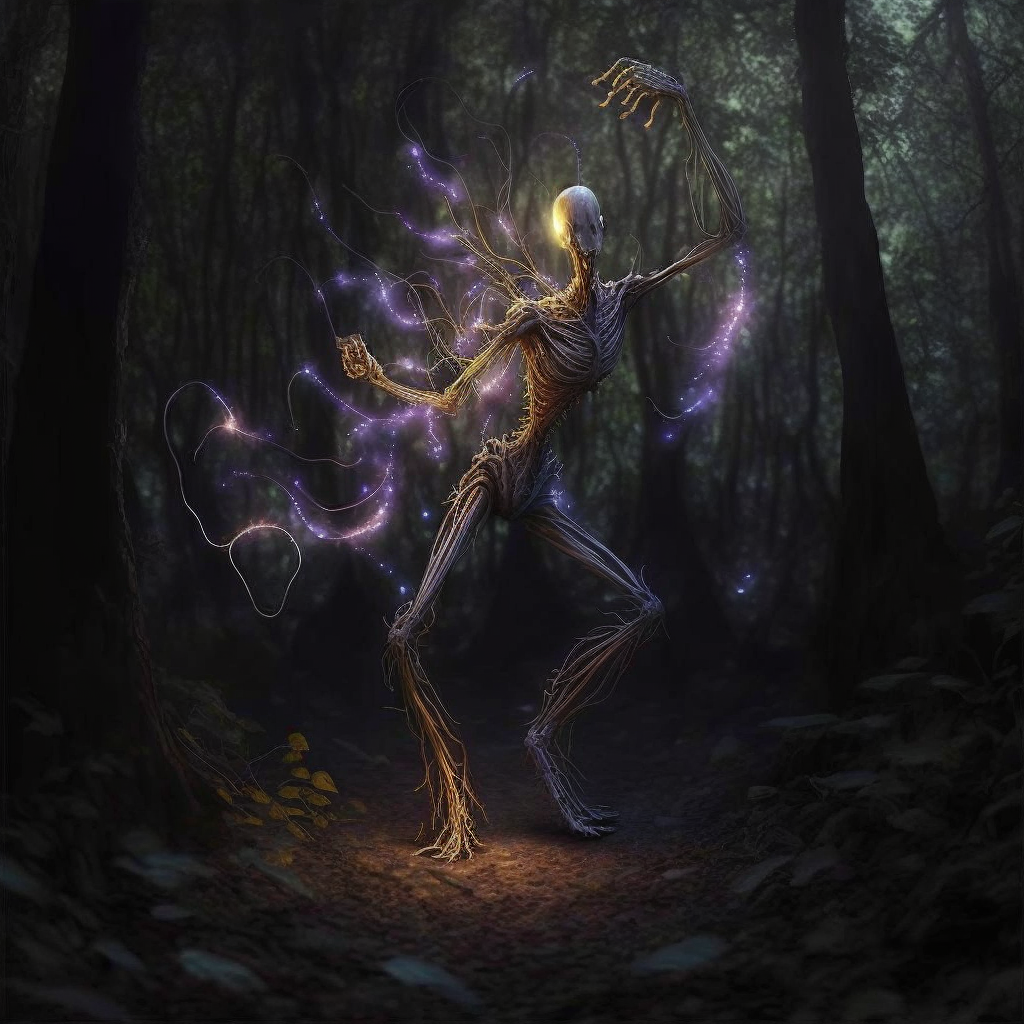
#263 Vindsmen

After the devastating CK-295 meteor impact, what little life survived on planet P-192-856B had to radically evolve in order to survive the planet's new radioactive atmosphere. Vindsmen were once a variant of the common earth ape whose DNA began t...

UNCOMMON

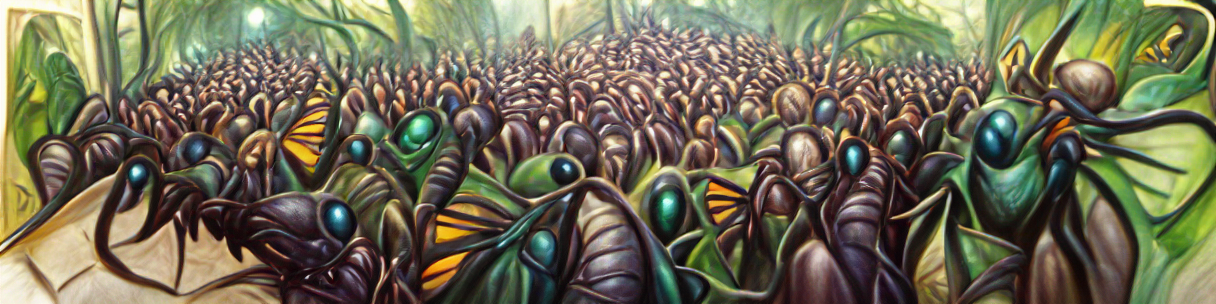
#172 Krangof

Krangofs are most notable for their pungent odor and high-pitched, loud calls. They are largely-solitary, aggressive scavengers and maim any other animal that they perceive as a threat. Their sharp teeth are formed into a single, solid, serrated b...

UNIQUE

#341 Karystel

Karystels are noted for their beauty, grace, and quickness. Their long, lithe bodies move like eels, and they have scales in shades of iridescent purple, blue, and green. They are very popular in the arts, both among dancers and musicians. Baby ka...

UNCOMMON

#334 Xolgar

Xolgars are giant birds native to tropical islands. When they hunt, they will pick up a strip of bark from a tree and carry it in their beaks, which they then use to create a makeshift hardnet to trap fish in the water. Once a fish has been caught...