UNCOMMON

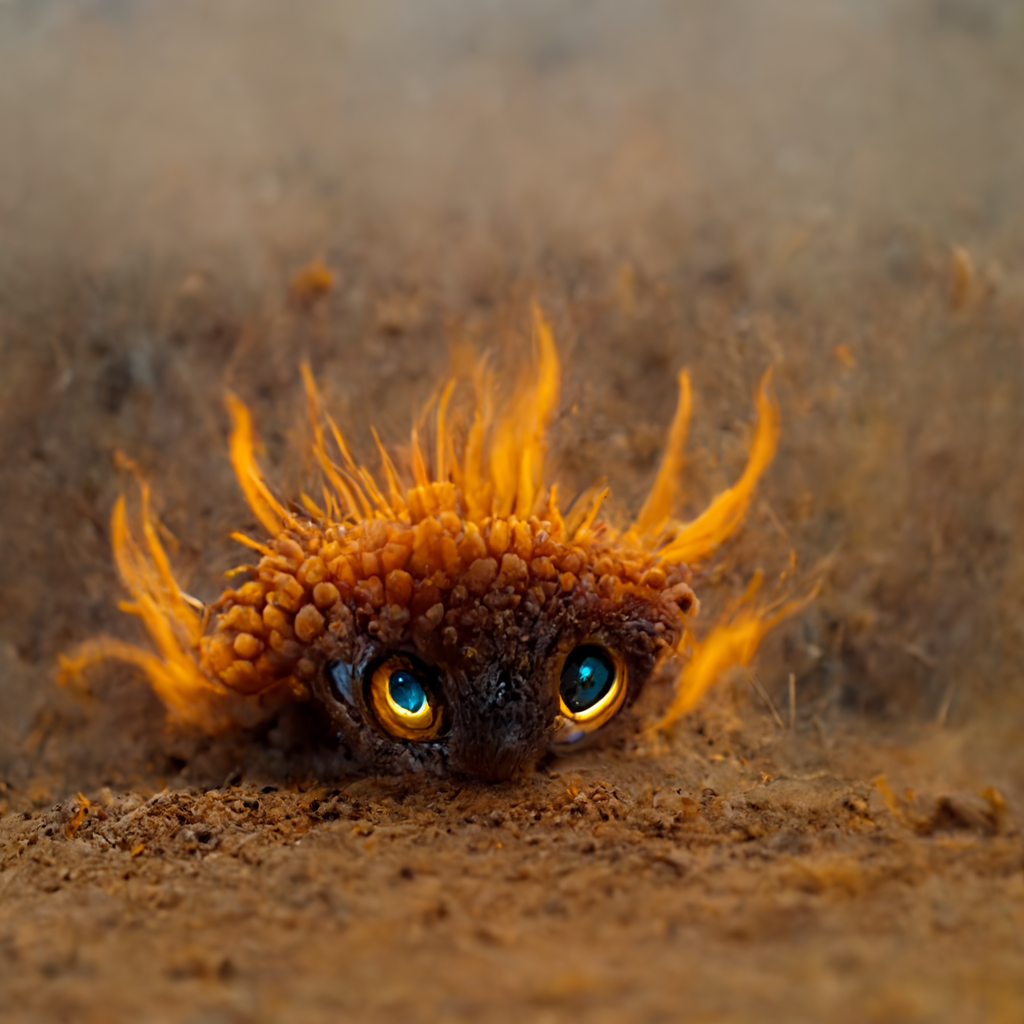
#239 Fyrial

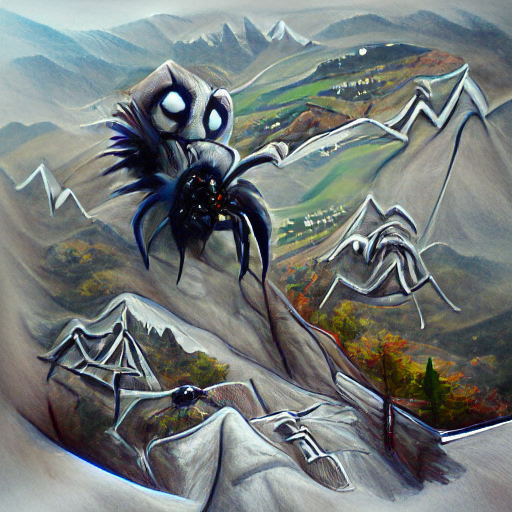
The brilliant fire of a fyrial's eyes can be seen for miles and are the source behind many religious stories originating in ancient deserts. Although they are typically solitary creatures, they will sometimes come together in pairs or small groups to feed on a massive kill, earning goodwill within their local community. When a fyrial dies, its body is consumed in a violent explosion that burns it to ashes.

Found in
Release Date August 23, 2022
Sign up for a free account to claim this creature as your own.

Discover other creatures

Explore an endless universe of ficticious life on NovelGens.
UNIQUE

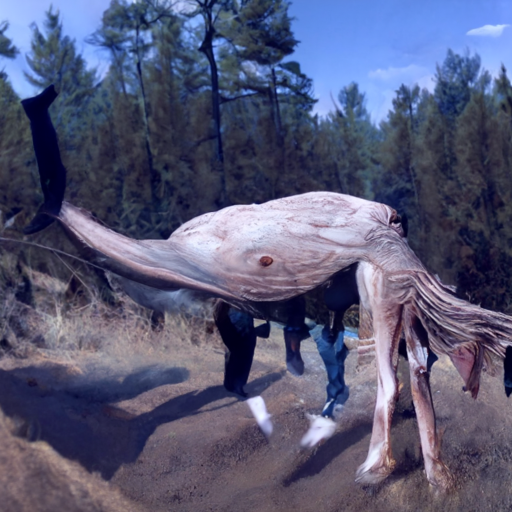
#357 Senna

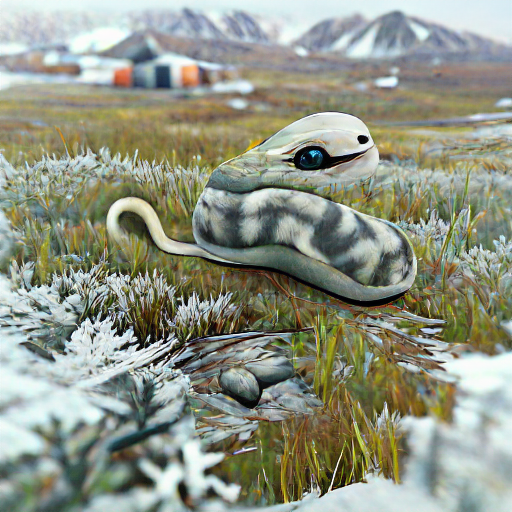
It seems like the average senna lifespan is longer than that of the universes it inhabits. This large, snake-like creature has somehow evolved a form of inter-dimensional travel to escape the inevitable heat death of most universes. Sennae are unf...

COMMON

#185 Vuewex

Vuewex are a parasitic skin mite that measure a little under 1 nanometer in width and height. These small critters passively absorb kinetic energy from their host through a reversed osmosis process that looks similar to feeding. A vuewex infection...

RARE

#207 Skeighnog

Skeighnogs are vicious and bloodthirsty creatures from the vast forests of the world. They are small, roughly the size of a small dog but with a long, scaly tail and a bulbous, pouchy stomach. They are predators and will eat anything they can catc...

RARE

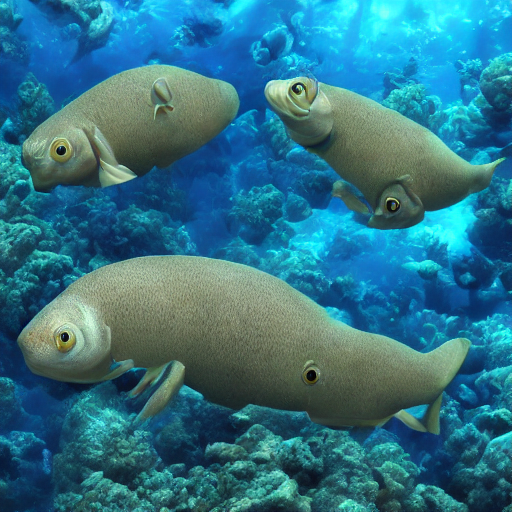
#312 Galum

Galums are ancient, majestic creatures born from the remains of ancient warriors. They were once sentient beings known as the "ustones," but were transformed by an unknown magic into massive, leathery creatures with two wings and a retractable tai...

COMMON

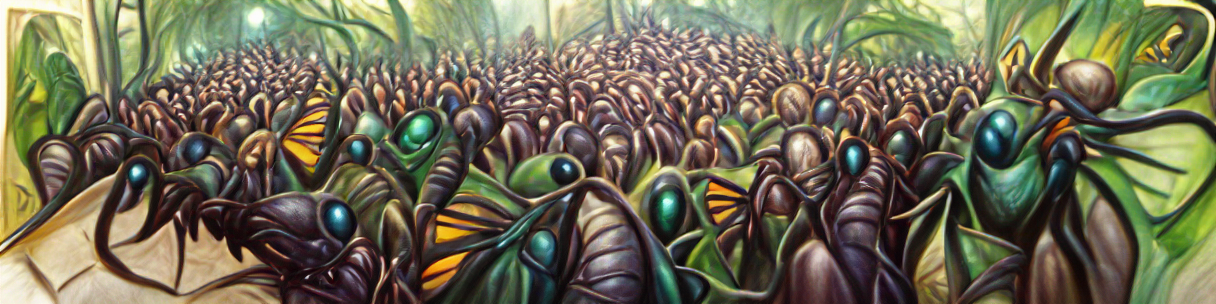
#310 Buuzkut

Buuzkuts are a species of small animal that looks a lot like a beetle, but are actually part of the Lepidoptera order. They have large eyes, a chitinous shell, and an intermuscular antenna. Buuzkuts love to eat fizzy drinks and will often hoard ca...

COMMON

#358 Mollang

Mollang are small marsupials often found throughout wetlands and jungles. They live long lives despite the poisonous fungus that commonly grows on their short fur, which also protects them from most predators thanks to the highly-contagious nature...