UNCOMMON

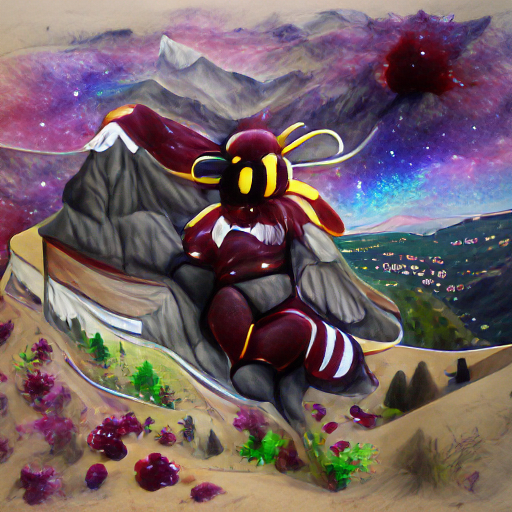
#023 Jibini

The jibini race mutated from field mice in radioactive forests in the east. Over time, both their size and their hunger grew to colossal proportions; when they're not munching on trees to sustain an eternal hunger, they can be seen playing tunnel games with other jibinis and laughing.

Found in
Release Date January 19, 2022
Sign up for a free account to claim this creature as your own.

Discover other creatures

Explore an endless universe of ficticious life on NovelGens.
UNCOMMON

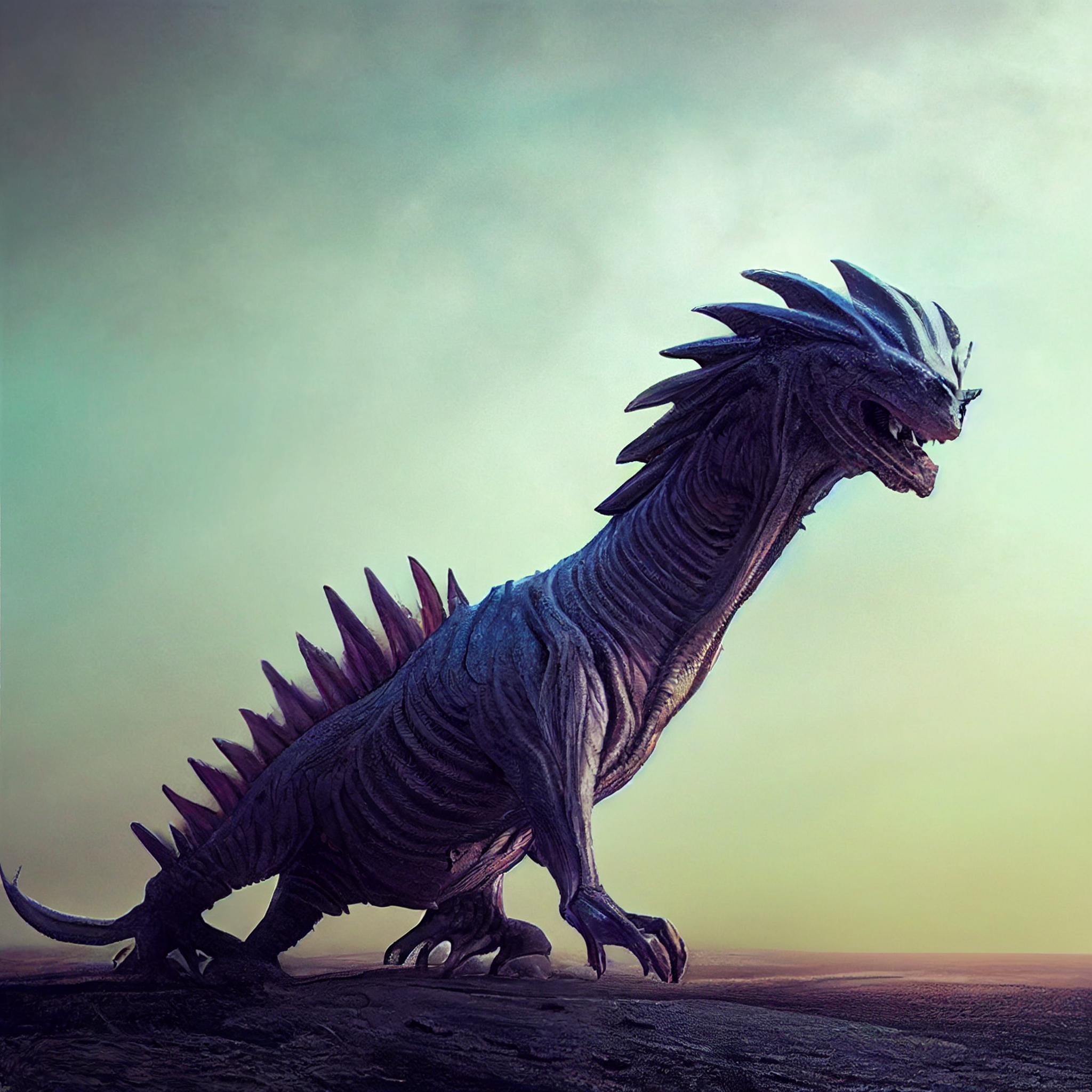
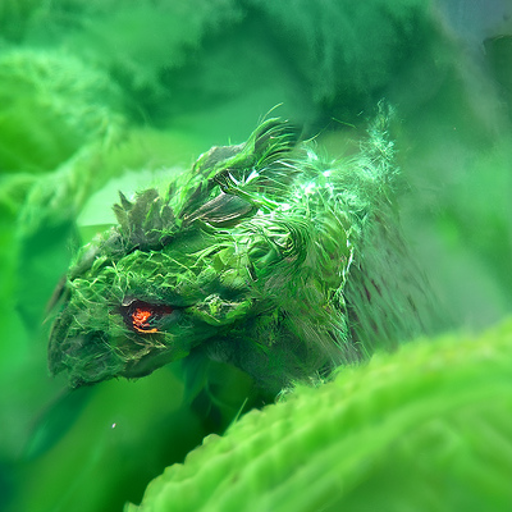
#016 Xylach

Xylaches are sprawling reptilian creatures that tend to migrate toward popular human beaches to feed off the trash and food left behind. Although one xylach could easily match twenty or more people in power, they largely remain docile and, at most...

UNCOMMON

#114 Rolglu

Rolglu are large, bristly bears that never stop migrating. They have six legs, detachable paws, and stand about eight feet tall. They are herbivores and will often follow farmers' plows, eating the freshly dug roots and other plants that are uncov...

COMMON

#066 Stonemaker

Stonemakers inhabit deserts, fields, and mountains. They feed largely off rock and stone, always migrating to find new flavors and consistencies. Venom injected through a stonemaker bite will also turn most organic matter into a hardened stone wit...

RARE

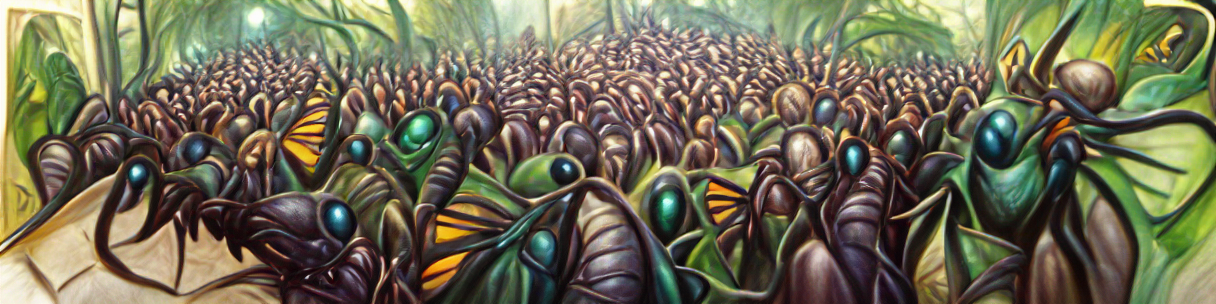
#118 Herenella

Herenellas are seahorse-like creatures whose bodies form non-euclidean shapes. They feed on ambient temperature differences deep in the ocean. These creatures are very intelligent and will often be found in tight clusters of dozens to hundreds. He...

UNCOMMON

#229 Tehrer

The tehrer is a small, flightless bird originating from volcanic islands in the south. Tehrers are extremely fast runners and use their powerful legs to leap from tree to tree, often reaching airborne heights and speeds such that they unintentiona...

COMMON

#211 Dromlek

Dromleks are intelligent, flightless birds that originate from a far-off galaxy where gravitational directionality frequently changes, and dromleks therefore evolved omni-directional legs to compensate for sudden directional shifts. They are able ...