UNCOMMON

#137 Gungon

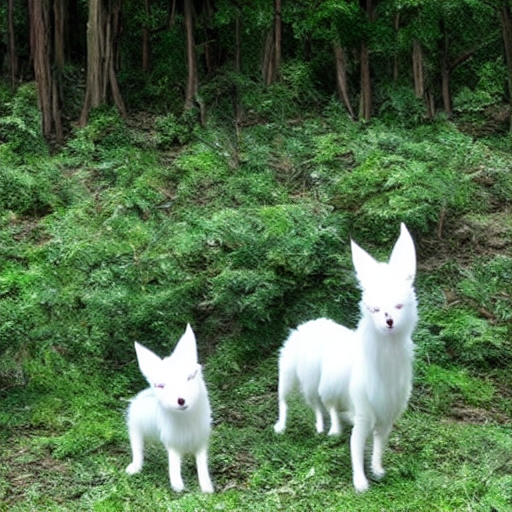
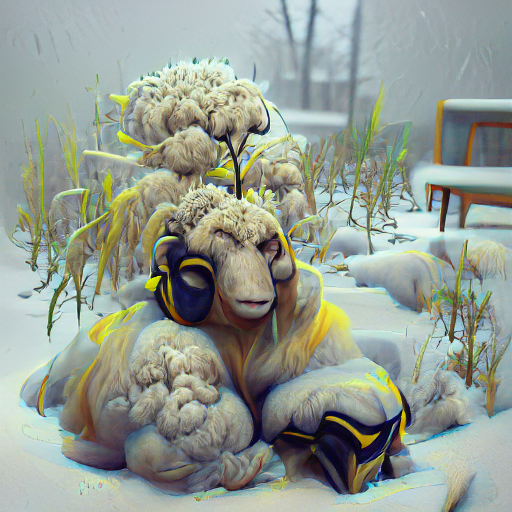
Gungons are medium-sized primates that live in the colder forests of the world. Their white fur is very dense, waterproof, and home to many insect populations.

The colorful plants that grow out of their backs serve as camouflage in the spring, after the snow has gone. The plants are edible, but are also able to store water that the creature can drink in times when it cannot find nearby water. Gungons loves to eat berries and can often be found in forests picking berries with its long prehensile tail.

When a gungon feels threatened, it will stand on its hind legs, shake out a cloud of white pollen, and roar as loud as possible in order to scare off any would-be attacker.

Release Date May 13, 2022
Sign up for a free account to claim this creature as your own.

Discover other creatures

Explore an endless universe of ficticious life on NovelGens.

UNCOMMON

#007 Merm

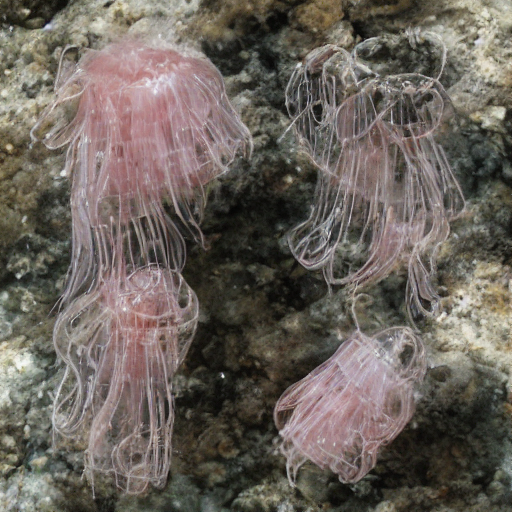
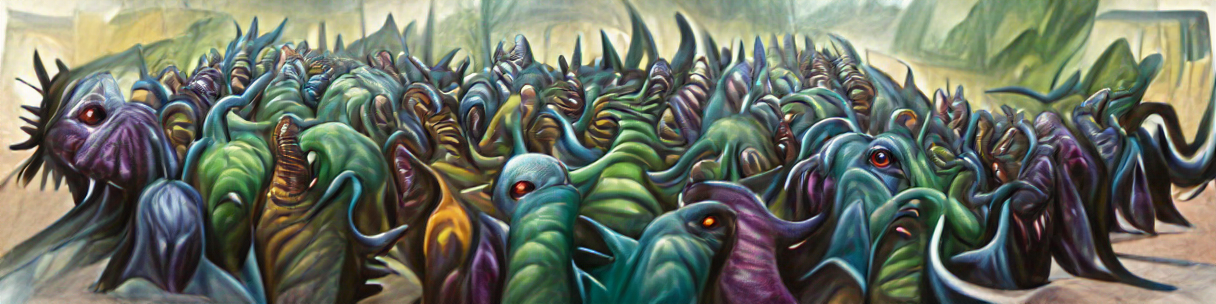
Merms live in small groups, typically in the deepest reaches of the western oceans. They seem closely related to a potential aquatic fork of human evolution, but scientists haven't yet developed a way to communicate with them.

COMMON

#060 Brugnul

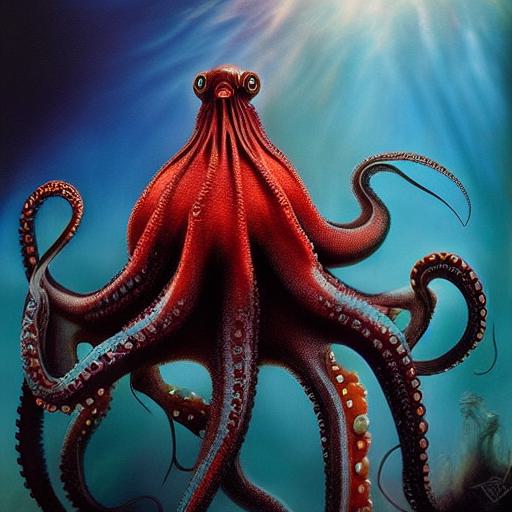
Brugnuls are microscopic parasites that can be found in most environments. They are commonly found in the bodies of other creatures, but can also be found on the ground, in water, and in the air. They are extremely hard to detect, and can be diffi...

UNCOMMON

#103 Mountain Widow

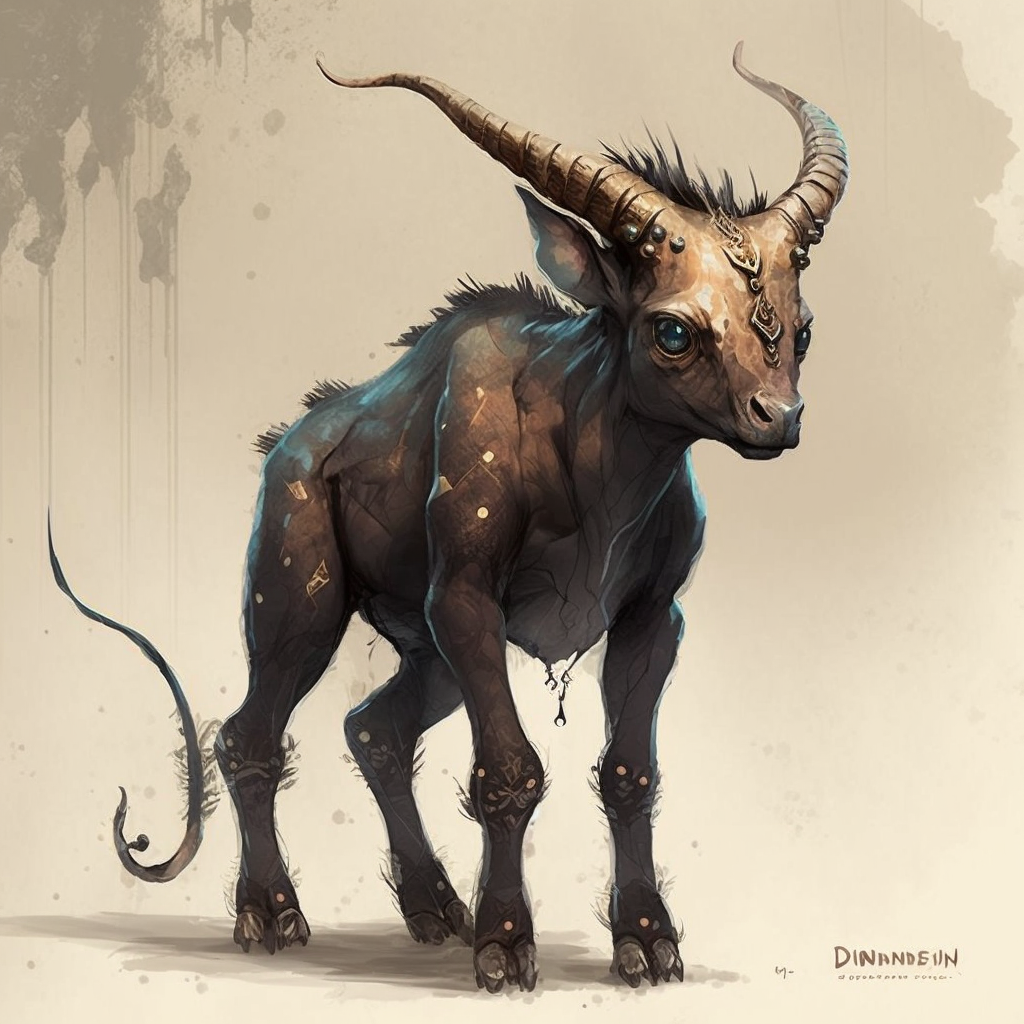
The mountain widow is a spider that lives in the snowy mountains of the world. It is well adapted to the climate, as it burrows into the snow and stays underground until it is disturbed by the vibrations of footsteps. While underground, mountain w...

RARE

#368 Avar shlin

The feared avar shlin is an intrusive pest originating from radioactive swamps and dark forests. This long wriggler is best known for the debilitating toxin it induces within the eyes of anyone that sees it. Something about the avar shlin's image ...

RARE

#083 Weretree

When a werebeing sheds blood into groundwater, in some rare cases a nearby tree may absorb it and transform into a weretree. After around six weeks of transformation time, the weretree's bark feels rubbery; the branches grow large, meaty muscles; ...

COMMON

#269 Oceanstar

The oceanstar is a common salt-water marine mollusk. Oceanstars got their name from sailors who could just barely make out twinkling lights beneath the ocean waves in the pitch of night. Oceanstars are herbivores that feed on microplants and detri...