COMMON

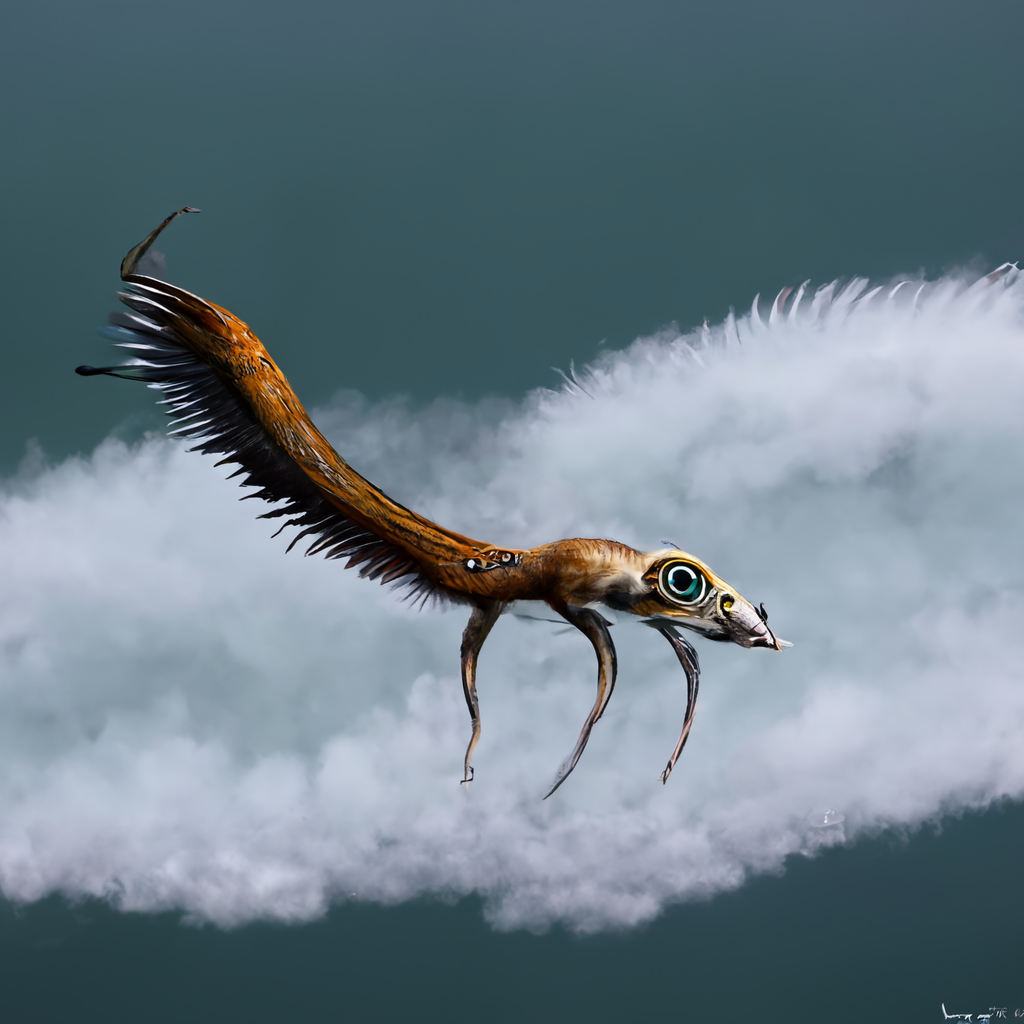
#203 Hakaji

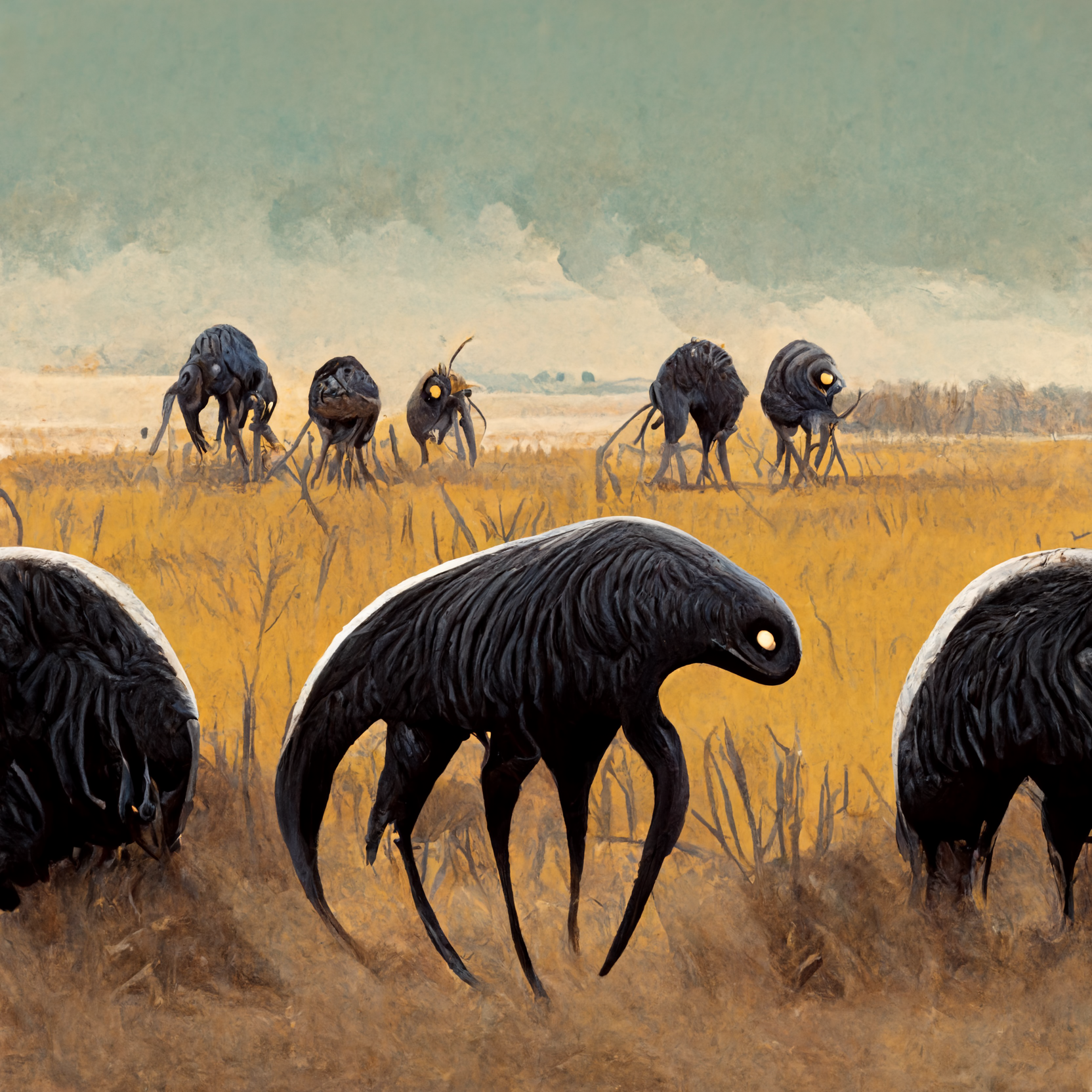
Hakaji are small, dimorphic reptilian creatures with a bug-like head and legs. Hakaji bodies are extremely light, allowing them to briefly float even in still air. They spend most of their time up in the sky soaring on the thermals, and can occasionally be spotted doing terrific acrobatics while freefalling through the air. Shock-absorbant properties in the hakaji legs enable them to always land gracefully, even from hundreds of feet in the air.

Release Date July 18, 2022
Sign up for a free account to claim this creature as your own.

Discover other creatures

Explore an endless universe of ficticious life on NovelGens.
COMMON

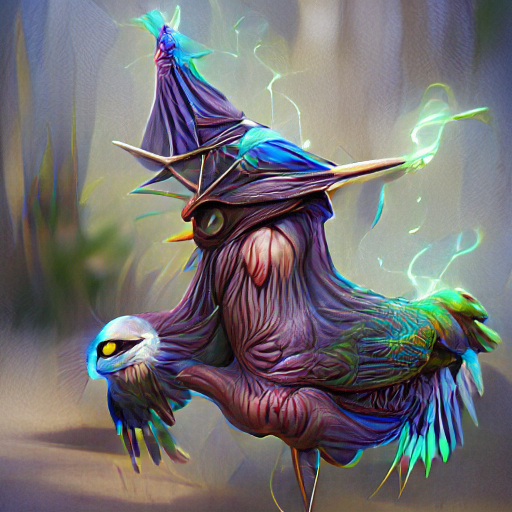
#003 Scrut

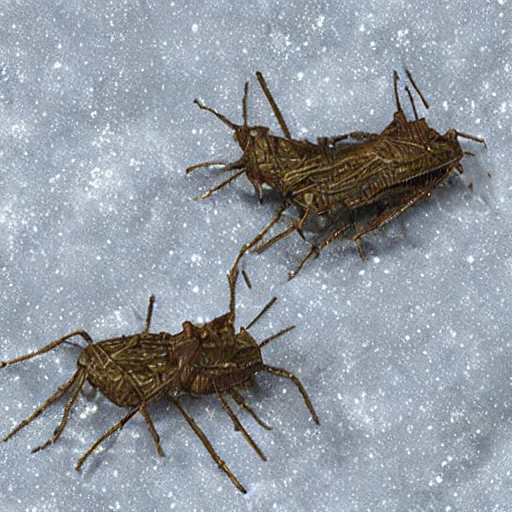
Scruts live in the deep north, where they burrow long distances through snow and dirt in search of their next meal. They secrete a natural, sticky antifreeze through their fur which prevents their small bodies from freezing. Although they live lar...

COMMON

#269 Oceanstar

The oceanstar is a common salt-water marine mollusk. Oceanstars got their name from sailors who could just barely make out twinkling lights beneath the ocean waves in the pitch of night. Oceanstars are herbivores that feed on microplants and detri...

COMMON

#280 Kora

The kora are an aquatic species of intelligent coral common in warmer ocean climates that have historically been an enabler of oceanic human societies in areas they couldn't otherwise exist. Although kora harden into a stony toughness after death ...

COMMON

#283 Dukrok

Dukroks are desert-dwelling birds that come in brown, black, and grey variants. They have long, thin legs and use their beaks like pickaxes to mine for insects in the sand. The dukrok will sometimes bury itself in the sand and wait for prey to com...

COMMON

#248 Yawelt

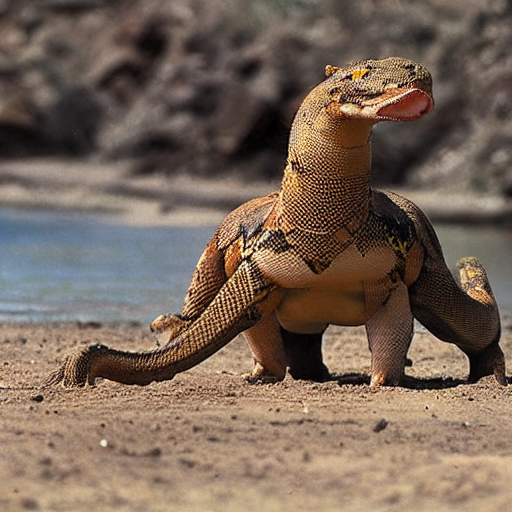
Yawelts are small reptiles that live in hot, dry deserts. They are extremely fast and use this speed to escape from predators. When a yawelt is hungry, it will enter a trance and move in whatever direction it is facing until it finds food. Even if...

RARE

#322 Ungarmel

When a creature is near, an ungarmel on the prowl will curl up in a ball and hover above the ground, doing its best to blend in with the environment in order to catch its prey unaware. When the time is right, the ungarmel will attack by releasing ...