COMMON

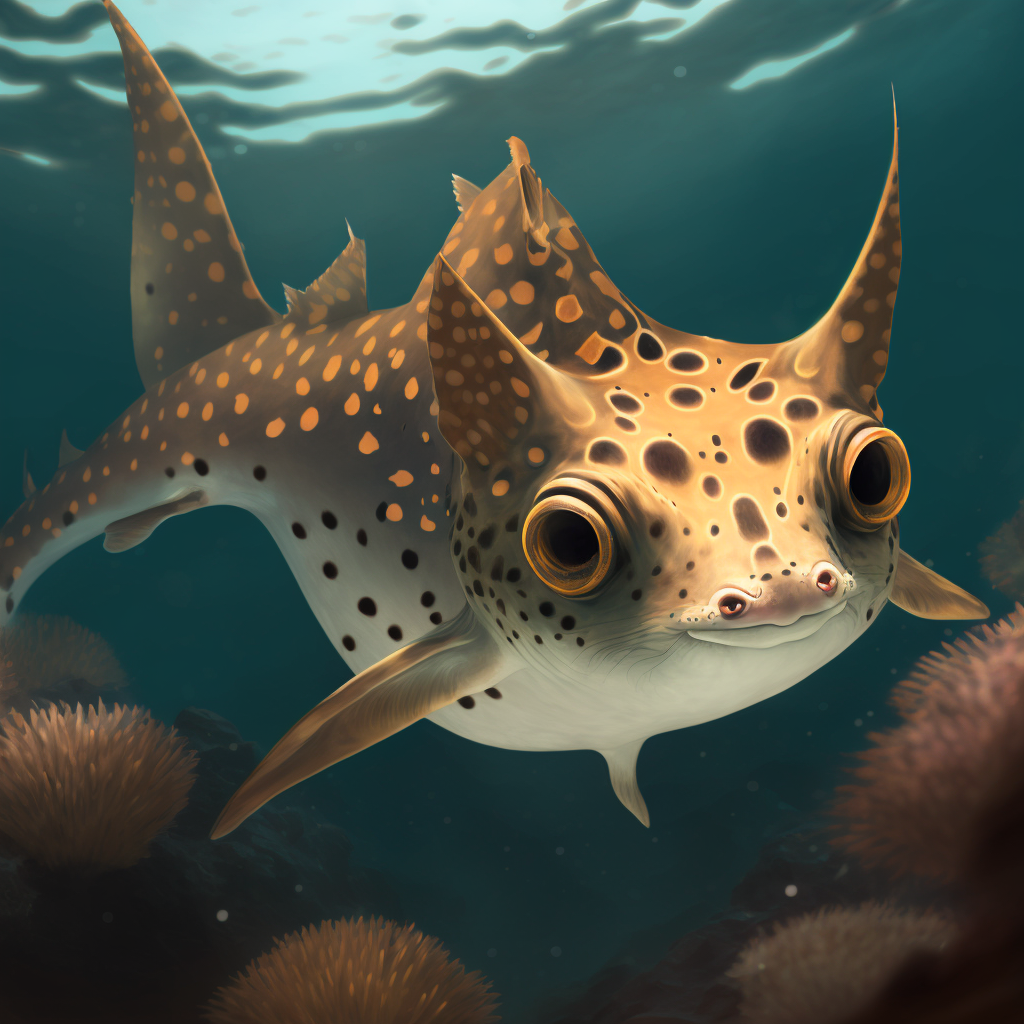
#339 Karkat

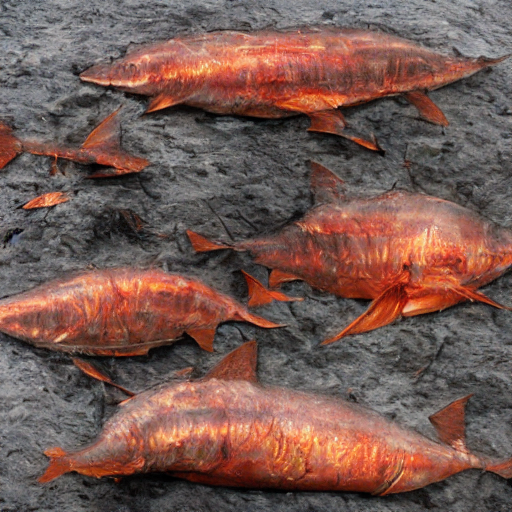
Karkats are medium-sized creatures that spend most of their time on the ocean floor, though they will occasionally come to the surface for air. They have hollow bones and two long, nearly prehensile tails that help them to swim quickly. When they are at the surface, they tend to gather in large groups and quietly observe the world around them. They have very soft skin and are very gentle creatures.

Found in
Release Date December 01, 2022
Sign up for a free account to claim this creature as your own.

Discover other creatures

Explore an endless universe of ficticious life on NovelGens.
RARE

#022 Xianc'onent

Since the beginning of storytelling, sailors have told stories of horrible terrors hiding at the bottom of the oceans. These xianc'onents are said to emit a low vibration that amplifies through water and can be felt, just barely, while aboard larg...

RARE

#135 Lononin

Lononins are strange, trans-dimensional birds that are infamous for their ability to teleport anything they touch into another dimension. With no ears, all lononins are deaf. Younger lononins are usually very skittish and shy, often immediately te...

RARE

#161 Adrakas

The adrakas is a giant leathery fish about the size of a small city. Its highly porous skin allows it to breathe in the water or on land, and its mouth is designed to eat all manner of creatures, from mammals to plants to rocks. The adrakas lifesp...

UNCOMMON

#172 Krangof

Krangofs are most notable for their pungent odor and high-pitched, loud calls. They are largely-solitary, aggressive scavengers and maim any other animal that they perceive as a threat. Their sharp teeth are formed into a single, solid, serrated b...

COMMON

#361 Aparilla

Aparilla are small, translucent invertebrates from the sea, best known for the soft glow they emit on dark nights. Although they are quite tiny, only growing to about the size of a thumb, they pack quite a punch when it comes to their defense mech...

RARE

#191 Sabbi san

Sabbi san are a phylum of four-legged microscopic tardigrades first described by Austrian zoologist Robby Saab in 2195, who discovered them in a tainted cave water sample. Sabbi sans move quickly in water or on land with a gait that closely resemb...