UNCOMMON

#079 Skrayll

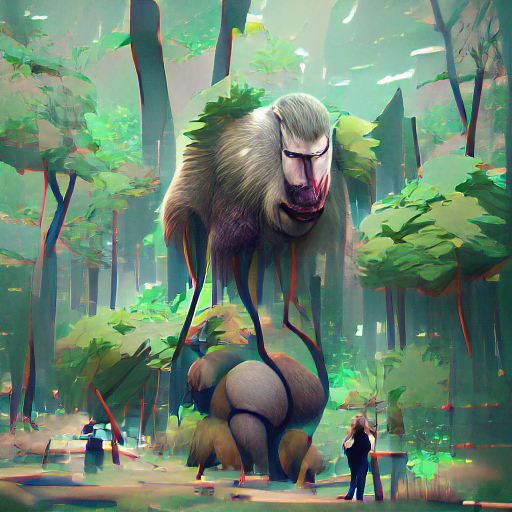
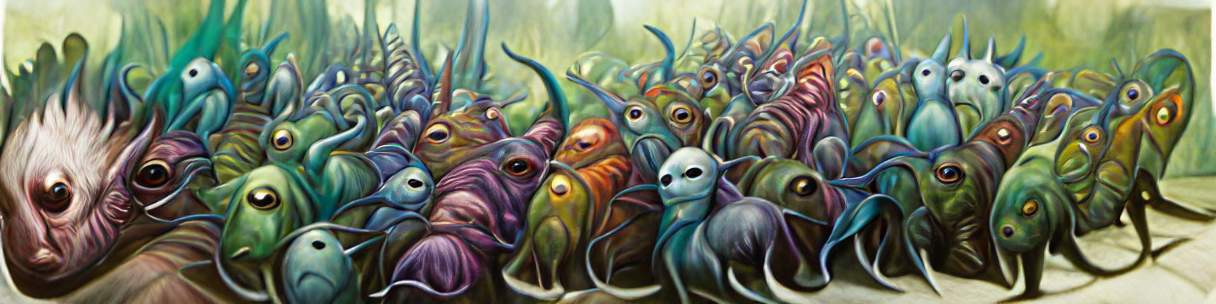
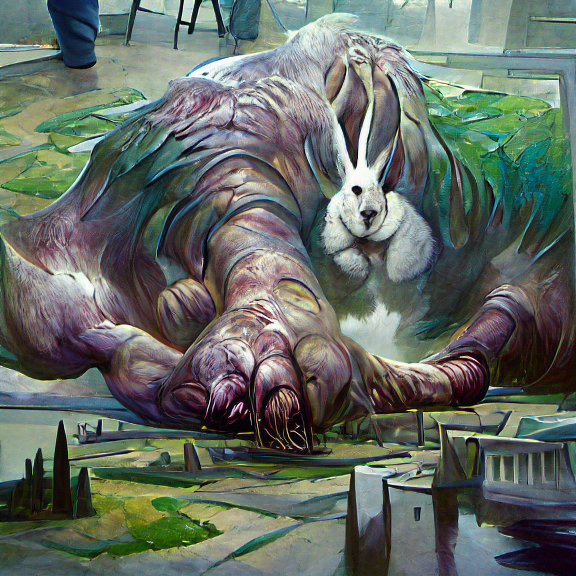
Most Skraylls live in the darkest forests, eating shrubs and rodents, although those that live a long time often grow larger and larger. Skrayll bones are made of a soft, rubbery substance that allows them to change over time depending on use, not unlike how muscles grow and shrink. Their rubbery bone material also secretes a slimy substance that hardens into a thick hide when exposed to air, which skyraylls must constantly shed or else they risk mobility problems and/or full paralysis.

Release Date March 16, 2022
Sign up for a free account to claim this creature as your own.

by NovelGens

by NovelGens

Discover other creatures

Explore an endless universe of ficticious life on NovelGens.
LEGENDARY

#072 Mevi

Mevi is an ancient snake that's survived for hundreds of thousands of years, outliving all other intelligent life on the planet. It has developed an extraordinary taste for confusion in its prey, and so it plays intricate tricks on unsuspecting vi...

UNCOMMON

#019 Braggen

Braggens are large, blue birds that are known for their ability to fly extremely fast. They are very difficult to catch and can be found most often in forests following a wildfire. Braggens are extremely intelligent and can communicate with humans...

COMMON

#077 Fring

Frings are a species with the ability to change their size at will. Permanent aspects of their society like their homes and businesses are incredibly tiny and can only be seen or used while they're their smallest size, but they often size up when ...

COMMON

#163 Elfog

Elfogs largely go unnoticed, as they are composed of aether and are only visible with special goggles. They are particularly fond of flowers and can most often be found in large groups among fields of flowers, although some occasionally stray towa...

UNCOMMON

#156 Salnodist

Salnodists are water-dwelling reptiles that hunt by inching slowly towards their prey and trapping them in their mouths before they can escape. The lower jaw is supported by a flexible bone that allows for a larger mouth. They have no eyes, and in...

RARE

#191 Sabbi san

Sabbi san are a phylum of four-legged microscopic tardigrades first described by Austrian zoologist Robby Saab in 2195, who discovered them in a tainted cave water sample. Sabbi sans move quickly in water or on land with a gait that closely resemb...