COMMON

#250 Parloi

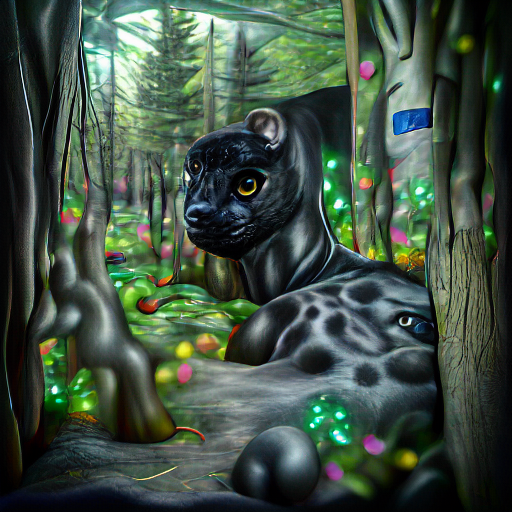
Parlois are large, herbivorous reptiles without a face that spend most of their time in the water. They are easygoing, almost to a fault. They will often ignore predators and let them eat them if it means that they can continue to relax. Their favorite food is leaves that have fallen from trees, and they have a strong grip that allows them to hold a floating branch on the water’s surface for hours as they munch away.

Release Date September 03, 2022
Sign up for a free account to claim this creature as your own.

Discover other creatures

Explore an endless universe of ficticious life on NovelGens.
UNCOMMON

#006 Dune Beetle

Dune beetles are the speedsters of the desert. You wouldn't expect it given their colossal size, but these severely-overgrown bugs can reach speeds of over a hundred miles per hour across flat land. Their flight, however, is much slower and more c...

RARE

#109 Swox Majora

The swox majora is an exotic variant of the common swox moth that grows several magnitudes larger than their minora cousins. Swox majora have unwieldy, feathery wings that are heavy with the pearlescent pigments they use to attact mates. Any time ...

COMMON

#133 Reeborra

Reeborras are large, herbivorous creatures native to the planet of the same name. They are closely related to the earth sloth and are often found in the desert dunes. They have short tails that consistently drip water when they're calm, which othe...

UNCOMMON

#156 Salnodist

Salnodists are water-dwelling reptiles that hunt by inching slowly towards their prey and trapping them in their mouths before they can escape. The lower jaw is supported by a flexible bone that allows for a larger mouth. They have no eyes, and in...

COMMON

#275 Foyud

Foyud are small insects that look like perched butterflies. However, foyuds are actually more closely related to arachnids that wear "wings" purely for decoration and dissuading predators. Beneath their wings, foyuds walk on dozens of tiny articul...

RARE

#322 Ungarmel

When a creature is near, an ungarmel on the prowl will curl up in a ball and hover above the ground, doing its best to blend in with the environment in order to catch its prey unaware. When the time is right, the ungarmel will attack by releasing ...