UNCOMMON

#075 Vwamil

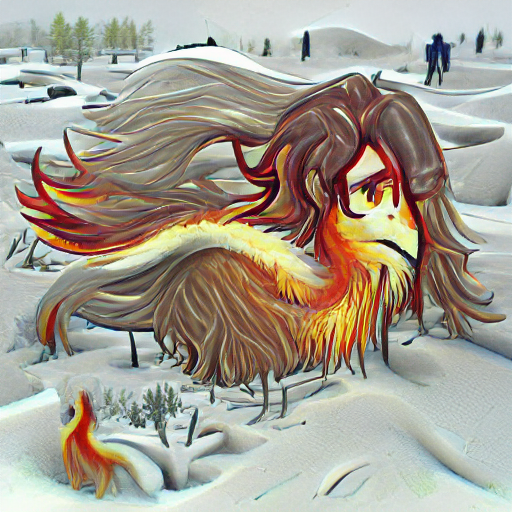
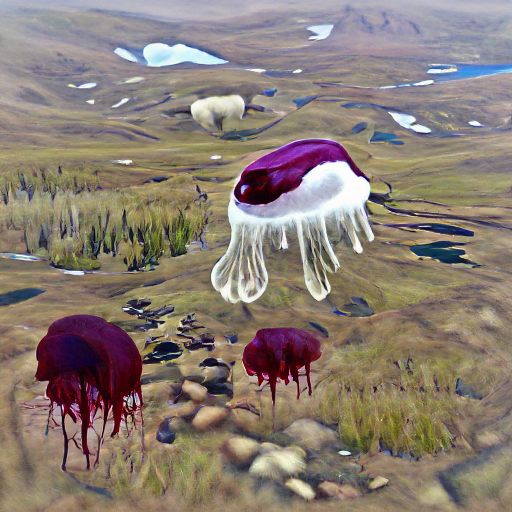
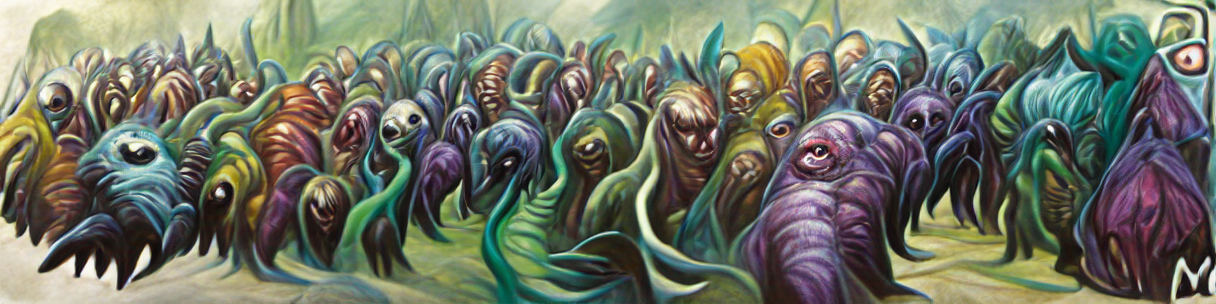
The first vwamil discovered swam out of a hot springs in a crowded, national park in the winter. The park was immediately shut down for investigation into what the unknown creature was, which then led to the discovery that vwamils commonly live in the deepest crevasses in many popular hot springs around the world. Why that first vwamil left the boiling water for a cold, winter day is still unknown.

Found in
Release Date March 12, 2022
Sign up for a free account to claim this creature as your own.

Discover other creatures

Explore an endless universe of ficticious life on NovelGens.
UNCOMMON

#021 Red Vasamee

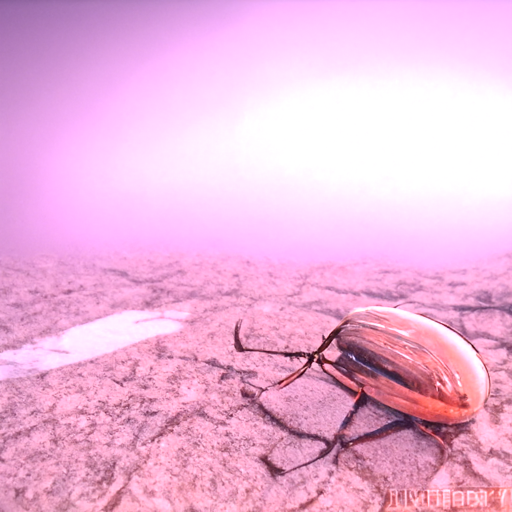
The Red Vasamee is a rodent-like creature that is notable for evolving over time to be strictly vegetarian after a meat-bourne illness nearly caused their extinction. These days they prowl through fields looking for seeds and berries, but will als...

COMMON

#038 Gyrom

Gyroms are genetically-engineered giraffe variants that not only have significantly more fat and muscle, but also produce a thin protein film on their skin that absorbs back into the meat to ultimately provide more than double the protein per poun...

COMMON

#014 Yogido

Yogidos are eastern mammoth-goat hybrids that can grow to extreme sizes. It's not uncommon for a town to collectively adopt a Yogido, which can provide substantial fur, fuel, and warmth to the town and — in the case of the most well-trained Yogido...

UNCOMMON

#184 Urk

Urks are enormous creatures that look like a cross between a turtle and a dolphin. They have strong, boney shells and powerful fins they use to propel themselves through the water. Their shells also contain thousands of chitinous pearls, and they ...

COMMON

#283 Dukrok

Dukroks are desert-dwelling birds that come in brown, black, and grey variants. They have long, thin legs and use their beaks like pickaxes to mine for insects in the sand. The dukrok will sometimes bury itself in the sand and wait for prey to com...

COMMON

#339 Karkat

Karkats are medium-sized creatures that spend most of their time on the ocean floor, though they will occasionally come to the surface for air. They have hollow bones and two long, nearly prehensile tails that help them to swim quickly. When they ...