COMMON

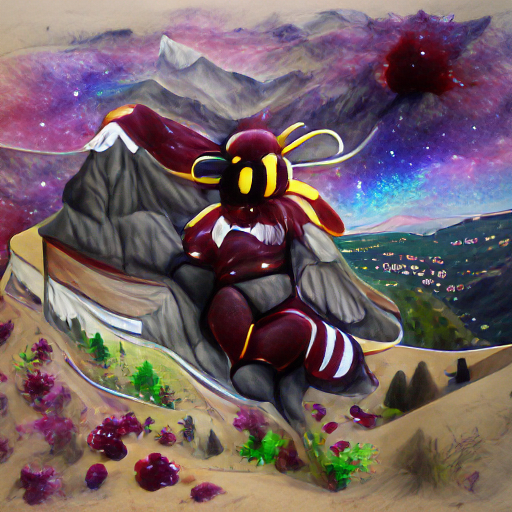
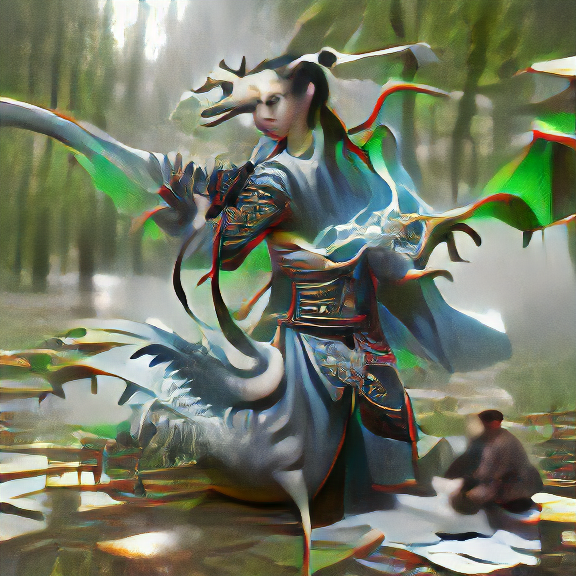
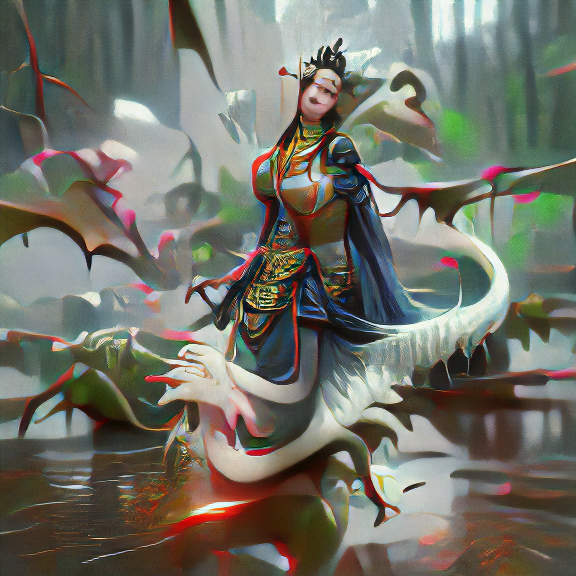
#009 Rappariffian

Rappariffians have never had a confirmed sighting, but cultures throughout history have always told stories of some form of them, albeit with different names. These spectral presences weave themselves through dimensional planes, occasionally passing through our physical dimension. Stories are inconsistent on whether they're completely silent or screaming banshees.
Release Date January 05, 2022
Sign up for a free account to claim this creature as your own.

by Andrew
♥ 3

Discover other creatures

Explore an endless universe of ficticious life on NovelGens.
COMMON

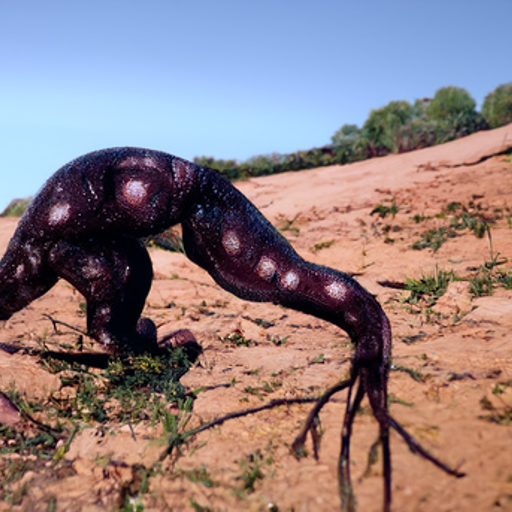
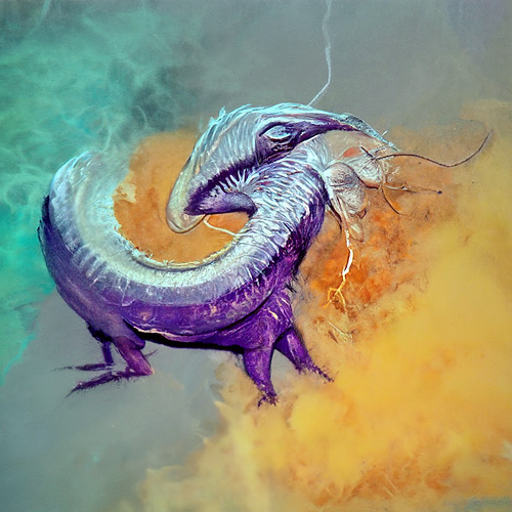
#017 Dust Angel

The dust angel is a common critter in arable desert areas. Nutrients from their saliva propagates through plants into the soil, improving yield for all plants in the vicinity. They're extremely rare and expensive, but the richest farming organizat...

COMMON

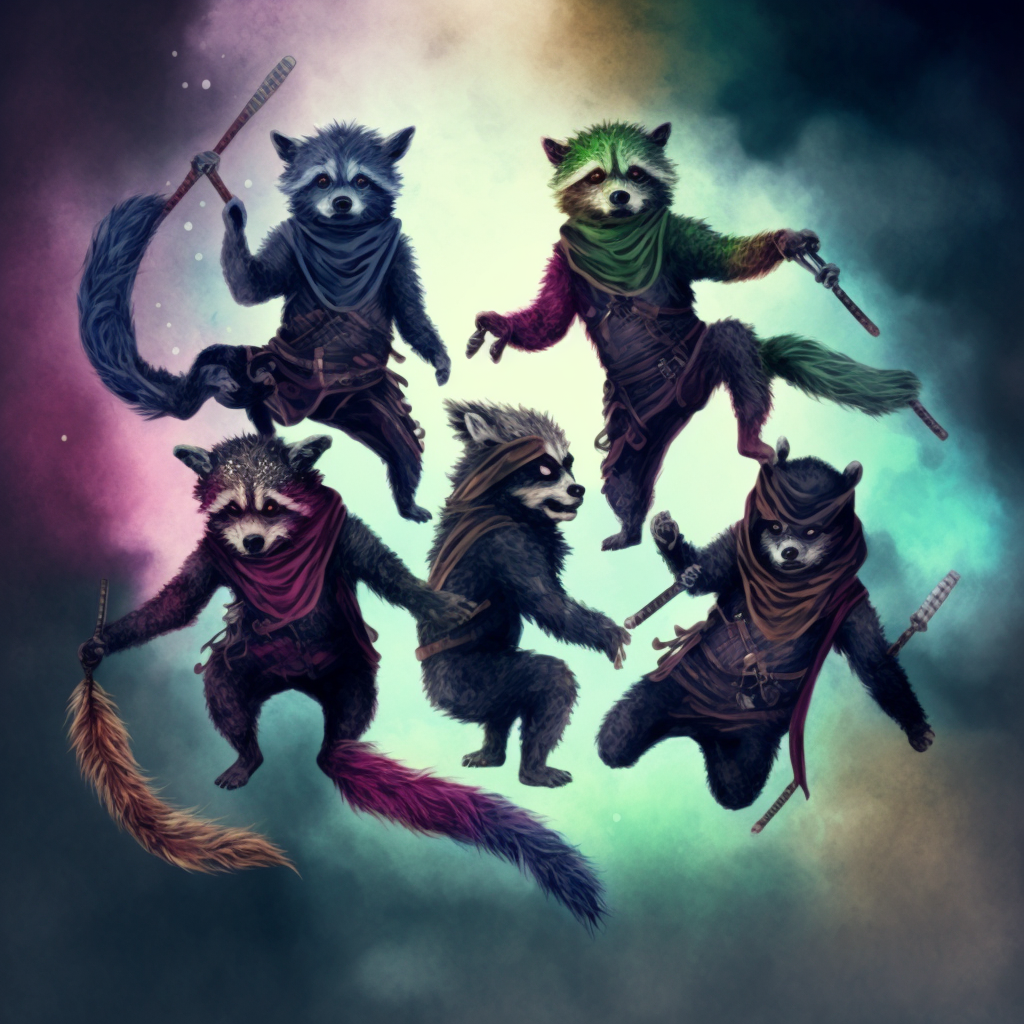
#014 Yogido

Yogidos are eastern mammoth-goat hybrids that can grow to extreme sizes. It's not uncommon for a town to collectively adopt a Yogido, which can provide substantial fur, fuel, and warmth to the town and — in the case of the most well-trained Yogido...

UNCOMMON

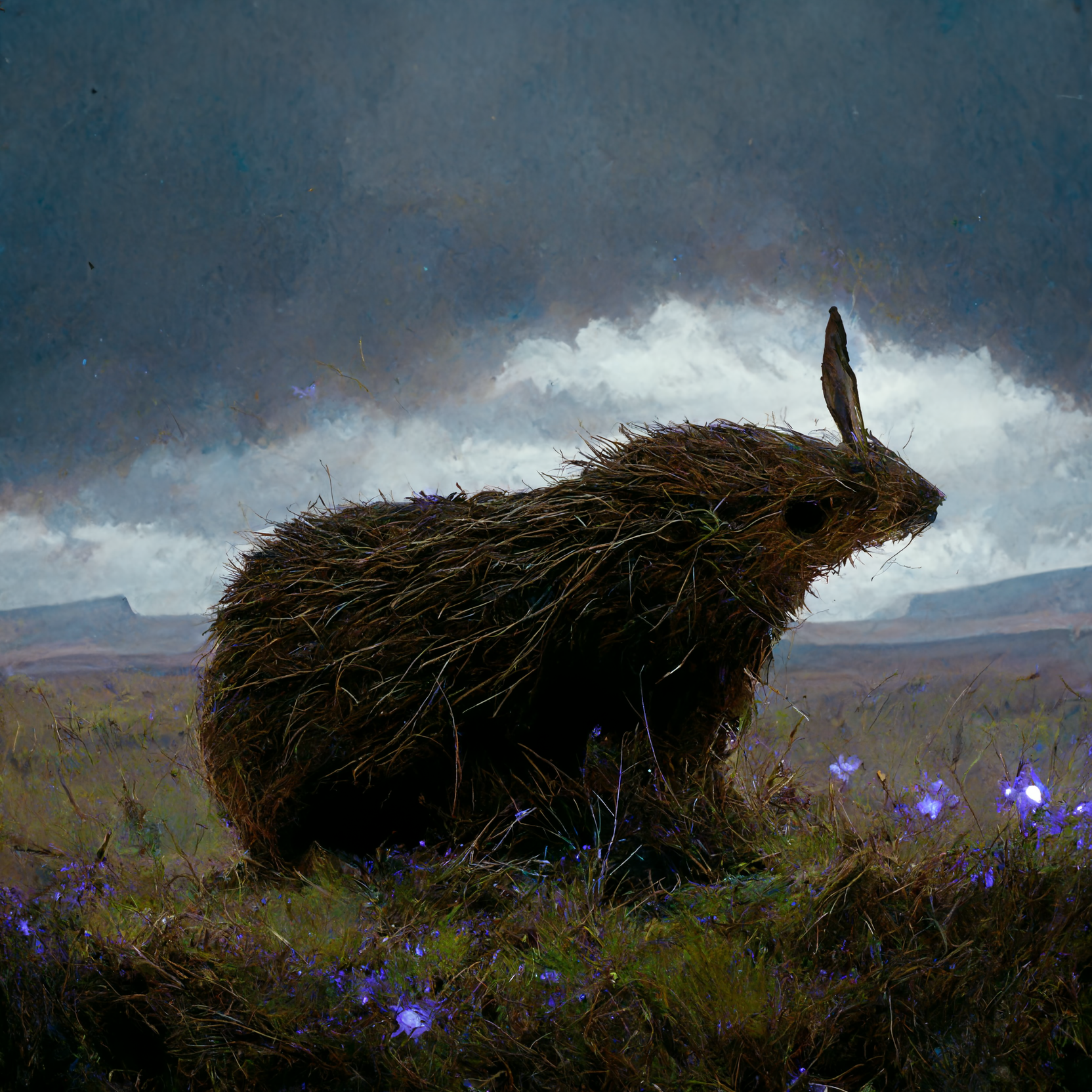
#081 Eieliez

Eieliezen are knee-high, bird-like creatures that are known for their remote eye, which they can often be seen holding but will also leave behind in their nest to watch their young with while they're out hunting or gathering. Not much is known abo...

RARE

#196 Fa'gu'leyth

The monstrous fa'gu'leyth is an extradimensional parasite from an unknown source. Initial tests indicate the fa'gu'leyth is capable of infecting native plantlife (especially moss) with a hivemind-like syndrome. It has been determined that the fa'g...

COMMON

#272 Gwievft

Gwievft are large, aquatic eels that are typically found in underwater mycelium caverns, although they sometimes explore more open waters. Gwievft have an extremely venomous bite that can completely paralyze dolphins, sharks, and humans within hou...

COMMON

#307 Kubup

Kubups are brightly-colored arboreal creatures that can jump up to 100 feet high. They are an important part of forest ecosystems, as they feed on dead tree leaves and recycle them into nutrients for the trees. They typically climb to the very top...