UNCOMMON

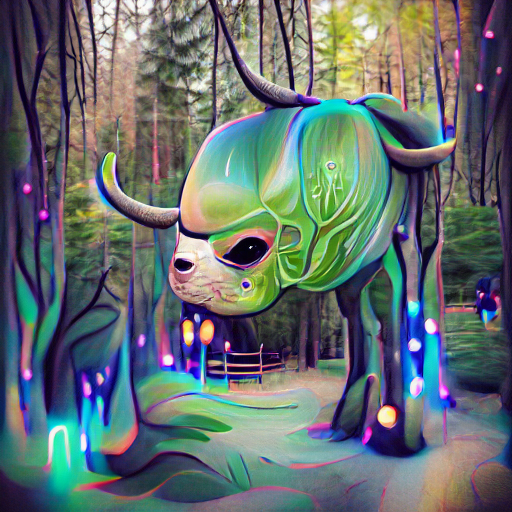
#005 Thabu

Thabus are hulking creatures of ancient history that have survived over time by melding with mountains and hibernating. They awake every thousand or so years to see if the world is a better place, but a thabu invariably goes back to sleep after each short period awake. No one is sure what exactly they're waiting for.

Release Date January 01, 2022
Sign up for a free account to claim this creature as your own.

Discover other creatures

Explore an endless universe of ficticious life on NovelGens.

COMMON

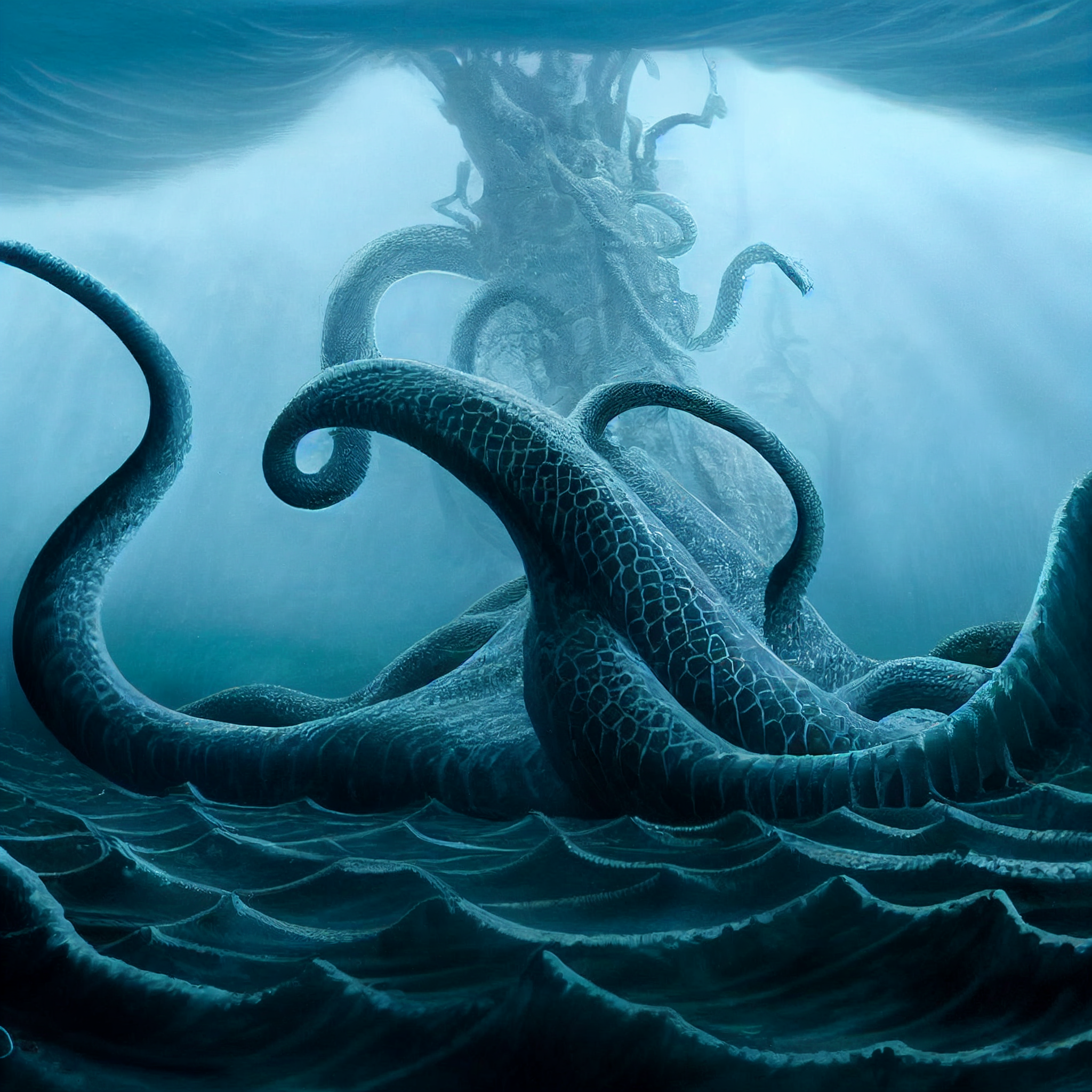
#269 Oceanstar

The oceanstar is a common salt-water marine mollusk. Oceanstars got their name from sailors who could just barely make out twinkling lights beneath the ocean waves in the pitch of night. Oceanstars are herbivores that feed on microplants and detri...

UNCOMMON

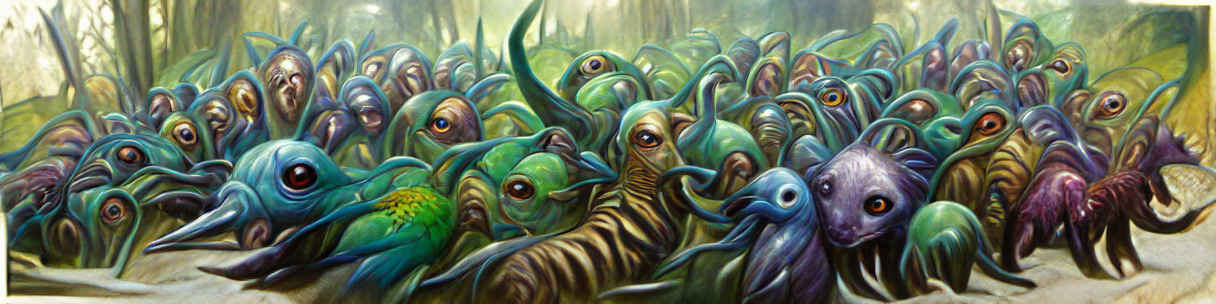
#229 Tehrer

The tehrer is a small, flightless bird originating from volcanic islands in the south. Tehrers are extremely fast runners and use their powerful legs to leap from tree to tree, often reaching airborne heights and speeds such that they unintentiona...

RARE

#209 Beleymer

Beleymers are enormous, leopard-like creatures that live in the swamps and marshes in the north. When they are not hunting and eating, they enjoy wallowing in mud and sleeping in the sun. Beleymers live in families and often work together to catch...

COMMON

#212 Steevlen

The steevlen is an adorable creature that lives in the forests of the world. They are small, round lion-like creatures (usually about three feet tall) that love to hug and lick. Their saliva contains a mild poison that often can be used to stun at...

RARE

#309 Vargon

Vargons are enormous, thick-skinned reptiles that form the natural apex predator in the kingdom of Skulnir. They are visibly descended from several different creatures and have four clawed feet and feathery wings, which are hidden beneath their th...

COMMON

#351 Volly

Volly are sturdy, four-legged mammals that live on lush mountaintops, peacefully grazing on grass, flowers, and small mushrooms. Centuries ago, volly were almost entirely domesticated and bred for their restorative tears; over time, however, the h...