Currently...
Biome Modifiers
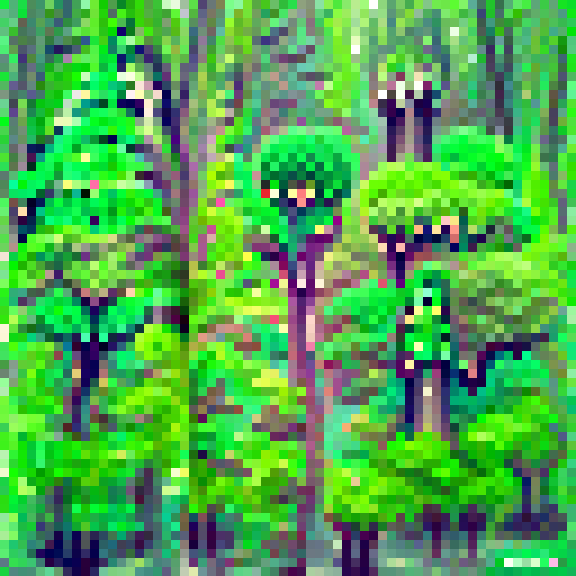
Fertile land
The land in this biome is extremely fertile and easy to plant in.
Mysterious ticking
A mysterious ticking sound can be heard in this biome, but it's unclear where it's coming from.
Treasure-laden
There is buried treasure hidden somewhere in this biome.
Creatures found in the Cietft Forest
UNCOMMON
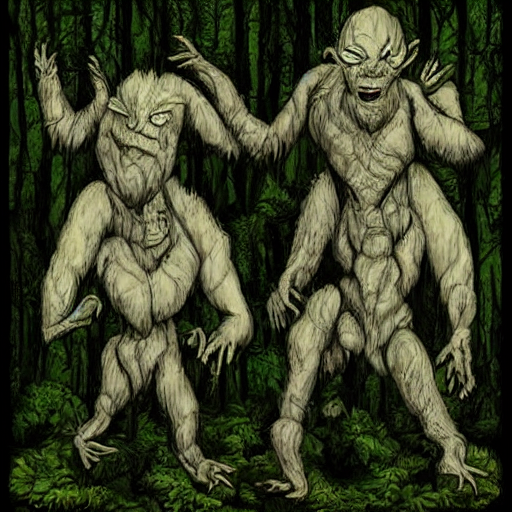
#189 Stone Gool
Stone gools are incredibly powerful forest creatures with skin made of malleable stone. As they age, they grow additional sets of arms on a taller and taller frame until they max out around the same height as trees, at which point it becomes incredibly difficult for them to ma...
#189 Stone Gool
RARE
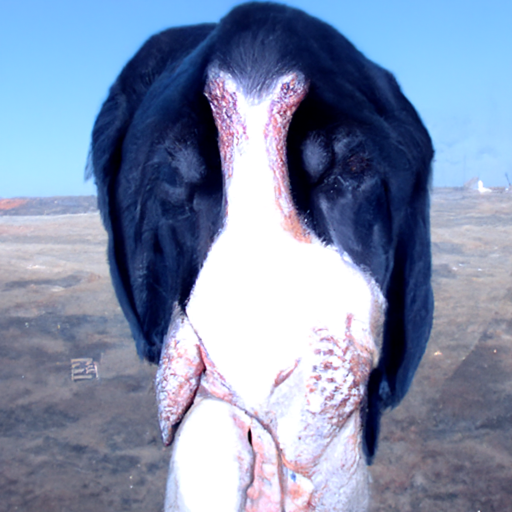
#142 Nethele
Netheles are physical-realm ghosts that are cursed to haunt cities and forests. They are not necessarily evil but are tricksy, always trying to trick the people they encounter into doing something foolish. Netheles don't have mouths, but can speak to people telepathically in a...
#142 Nethele
RARE
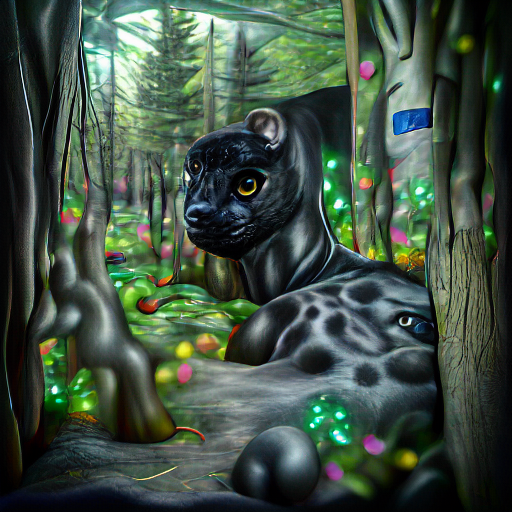
#186 Jaunwix
The rare jaunwix is a hypermaterial metafeline whose origins are unknown. This creature's body flows like water, babbling through brooks and trickling through crevasses like a river, filling whatever space is available. This unstable shape takes the form of water for the most ...
#186 Jaunwix
COMMON
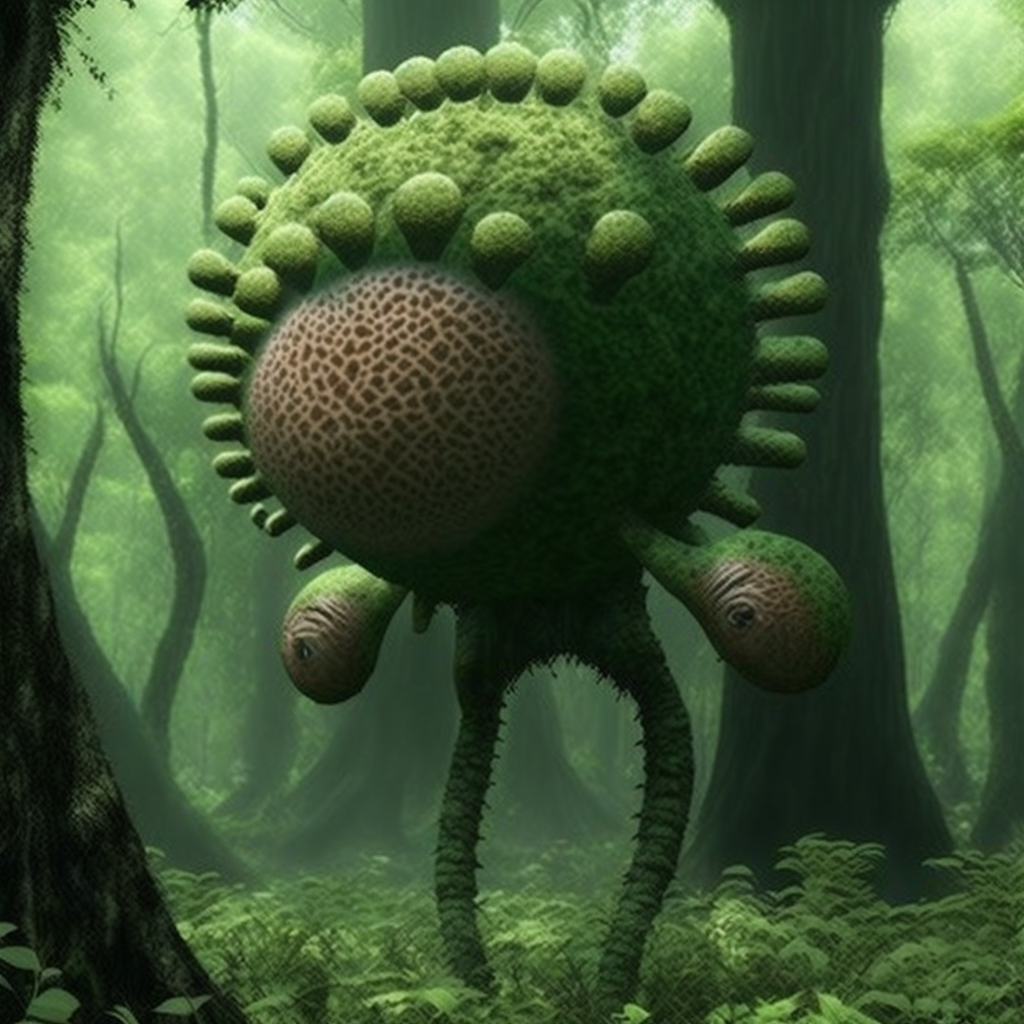
#326 Kawa-tri
Kawa-tri are bulbous, tree-like creatures that live in forests. They thrive in the shade of other trees and grow much faster when they are standing near other kawa-tri. When a kawa-tri senses that it is in danger, its entire body will harden, effectively turning it into a tree...
#326 Kawa-tri

UNCOMMON
#169 Havough
The large havough bird towers above trees, hills, and mountains with its imposing stature. Although havoughs typically fly into outer space to hunt for food, they often prefer to relax for weeks at a time in our atmosphere between meals. Although havough aren't malicious, they...