RARE

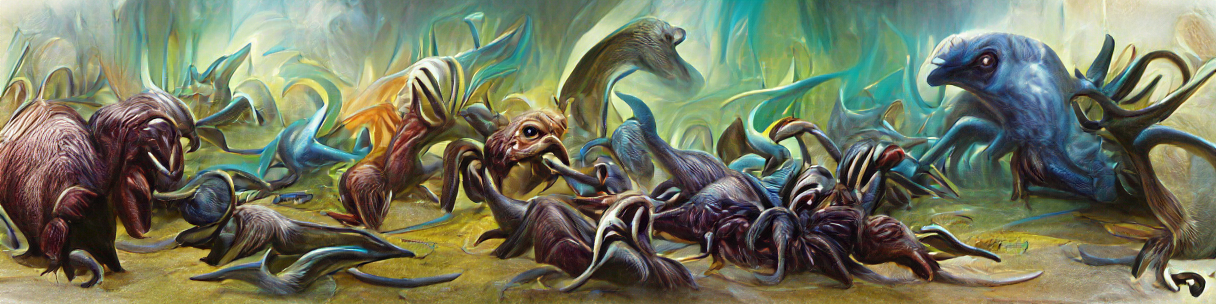
#204 Klelag

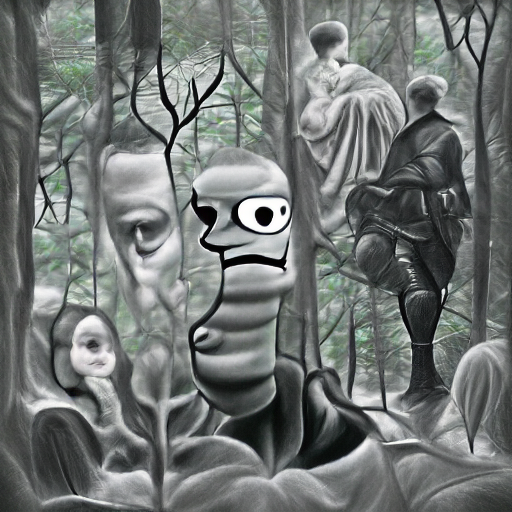
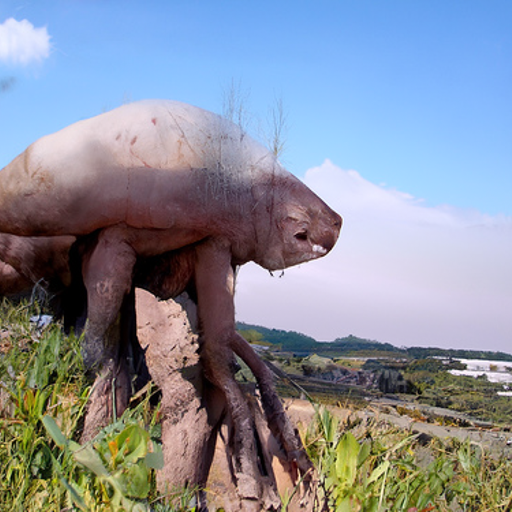
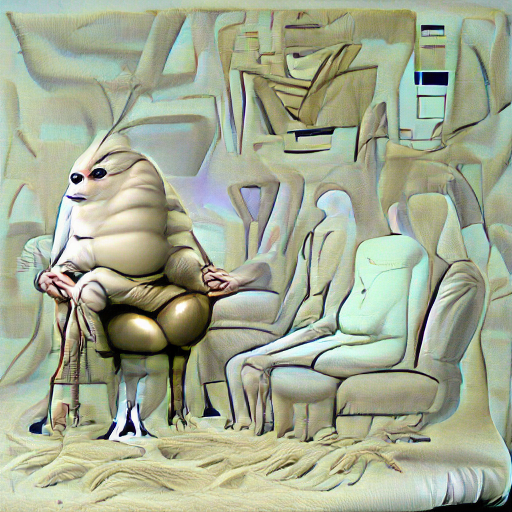
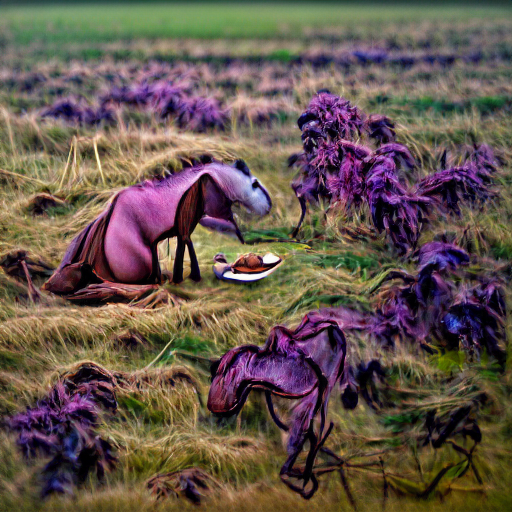
Klelags are peaceful creatures of the southern tropical islands. They live in groups of around ten and create elaborate, beautiful nests of grass and palm fronds out at sea. Their favorite food is the silver-striped pike-perch, which they can be found fishing for in the shallows. Klelags are mostly harmless, but they do have one weird defense mechanism that they'll instinctively use if they feel threatened: They will expand the membranes of their wings and hop over their prey, painfully raking their enemy with the sharp barbs lining their wings.

Release Date July 19, 2022
Sign up for a free account to claim this creature as your own.

Discover other creatures

Explore an endless universe of ficticious life on NovelGens.

COMMON

#025 Baibi

This small monkey navigates long distances by utilizing the bug-like wings on its back and can commonly be seen flying from forest to forest during the day. Their silhouette in flight mimicks those of birds, but birdwatchers with an eye for what t...

COMMON

#077 Fring

Frings are a species with the ability to change their size at will. Permanent aspects of their society like their homes and businesses are incredibly tiny and can only be seen or used while they're their smallest size, but they often size up when ...

COMMON

#119 Ossl

Ossles are small creatures that are found in warmer tundras. They are about the size of a small cat and resemble a cross between a tortoise and a beetle, albeit with two large, boney antlers that end in sharp claws. Despite their fearsome appearan...

RARE

#151 Zamperk

Zamperk are large, powerful creatures related to ancient dragons, but classified as a modern hydra. They are covered in thick dragon scales made of opaque crystals and have large, razor-sharp claws and teeth. They have long, whip-like tails with a...

COMMON

#148 Dacagoth

Dacagoths are small, fluffy mushroom-like creatures that live in grottos and caves. They are about the size of a human thumb and are typically a light shade of gray. They spend most of their time sleeping and eating the rocks and fungus of the cav...

UNCOMMON

#284 Senjfisk

Senjfisk use thousands of microscopic limbs to move sand around them, enabling them to effectively swim through sand and loose dirt. These nocturnal carnivores also undergo a biological stasis while sleeping, which completely stops all but their m...