Currently...
Biome Modifiers
Extreme temperatures
Extreme temperatures and sudden temperature swings are common in this biome.
Volcano
A volcano looms nearby. You are unsure whether it is active or not.
Freezing winters
Winters in this biome are particularly devastating, freezing everything in sight.
Creatures found in the Uchuti Mountain
UNCOMMON
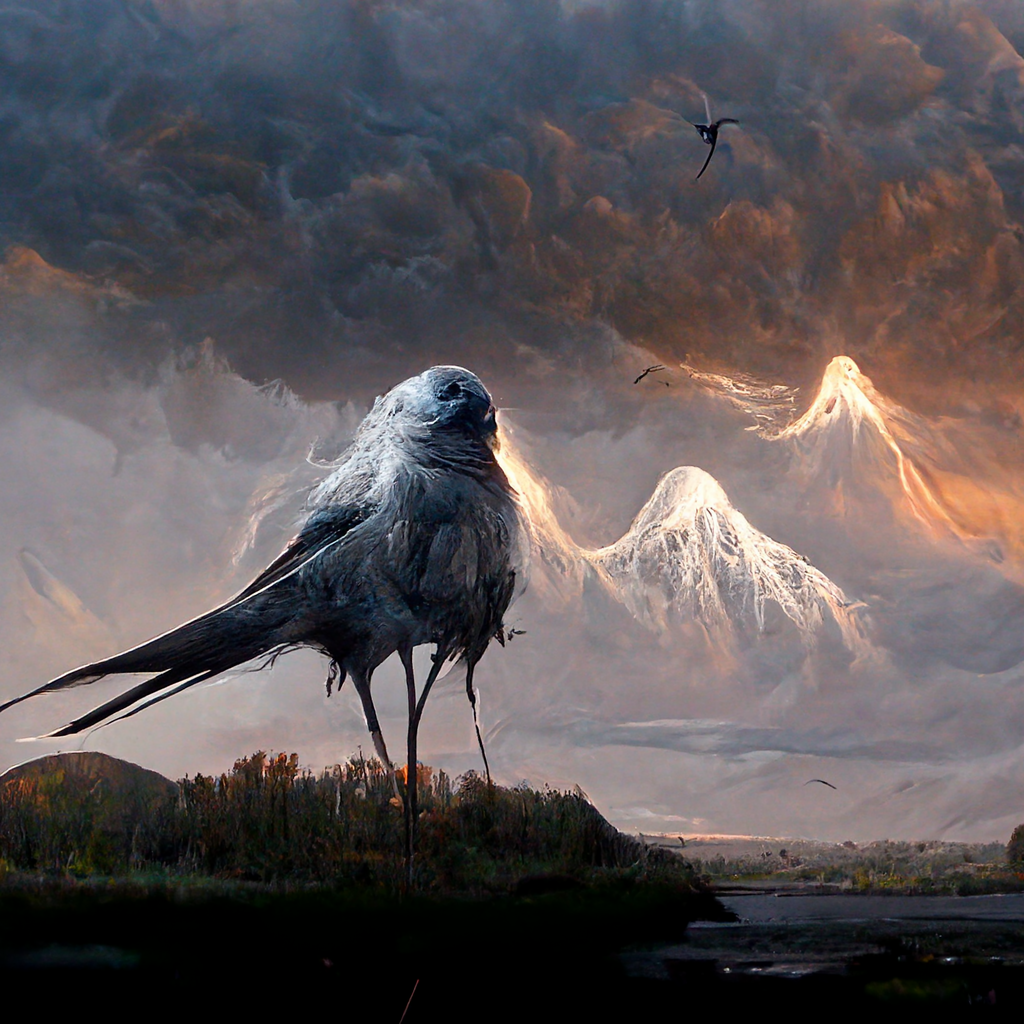
#169 Havough
The large havough bird towers above trees, hills, and mountains with its imposing stature. Although havoughs typically fly into outer space to hunt for food, they often prefer to relax for weeks at a time in our atmosphere between meals. Although havough aren't malicious, they...
#169 Havough
UNCOMMON
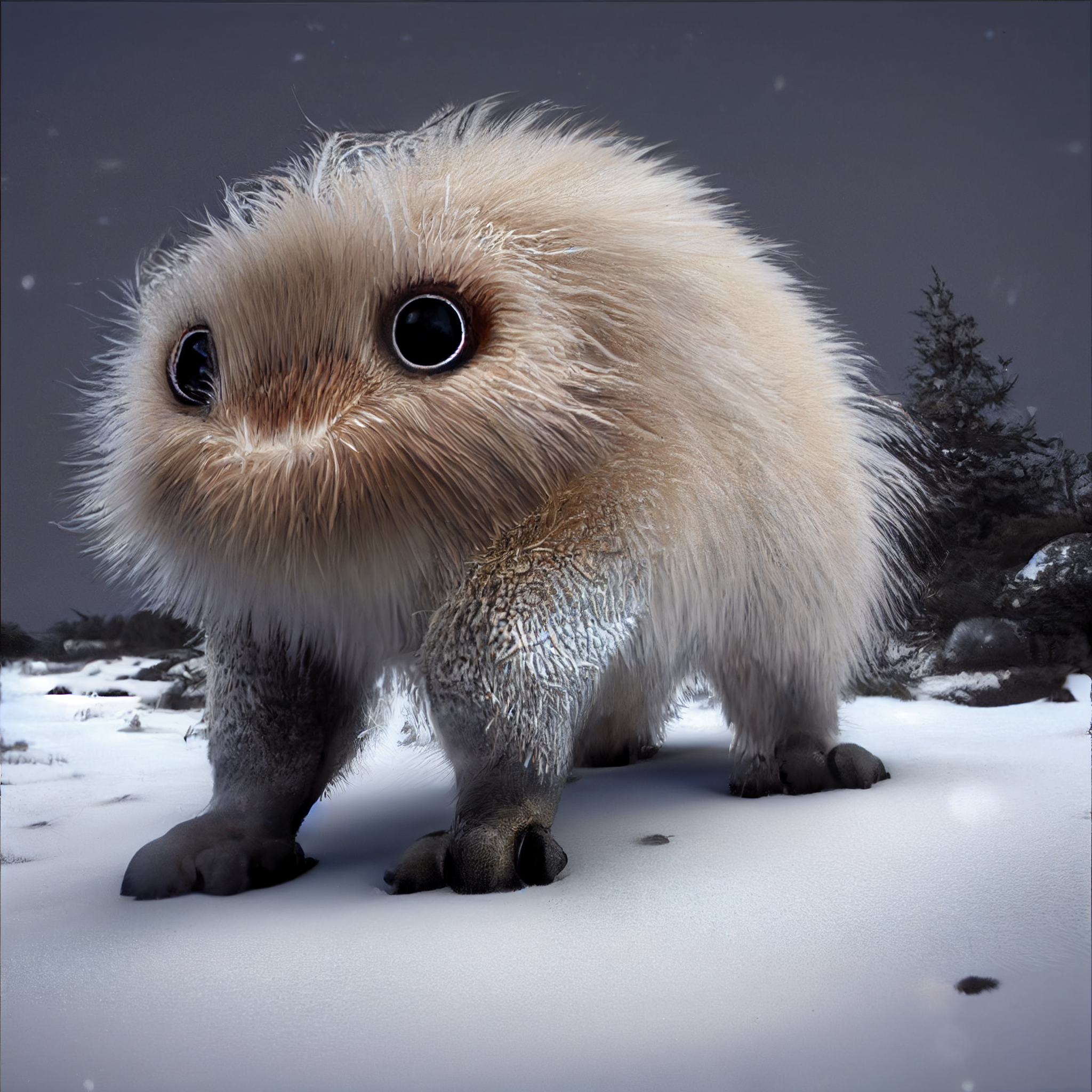
#330 Jibbin
Jibbins are interesting tundra-dwelling creatures best known for their rapid growth and shrinking, with their size determined almost entirely by their mood (and most recent meal). Although they generally keep a scarce diet of nuts and berries scavenged from the snow, jibbins t...
#330 Jibbin

COMMON
#349 Flayansk
The flayansk originates in the far north, in the freezing highlands of Cotsk. Flayansk vary wildly in size throughout their life, growing quickly from the size of rodents to the size of large boulders, then eventually shrinking back to microscopic levels as they reach old age....
#349 Flayansk
UNCOMMON
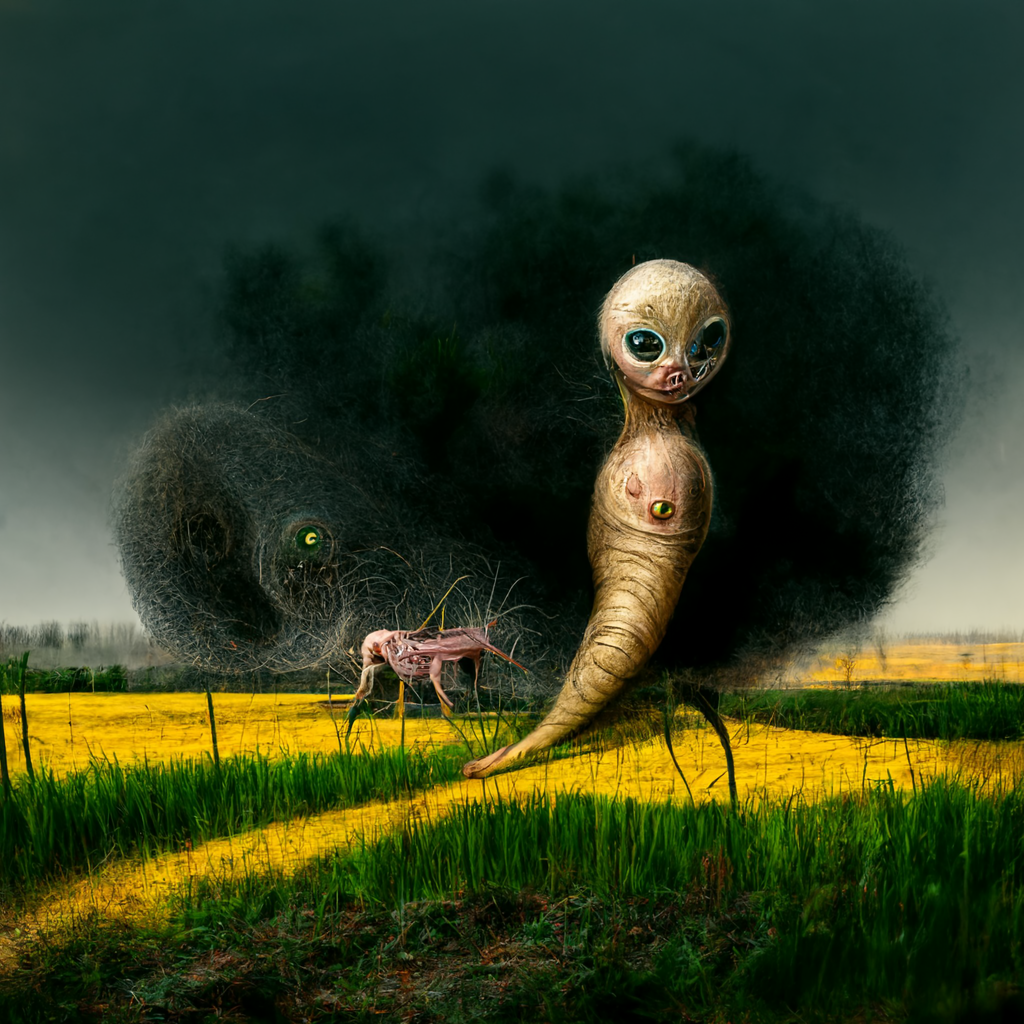
#234 Xlidngh
The xlidngh is a small, flying creature that continuously secretes a sweet-smelling pheremone from its third eye, located on its body. This pheromone attracts nearby creatures of all shapes and species in an almost trance-like state, where they will follow nearby xlidnghs wher...
#234 Xlidngh
RARE
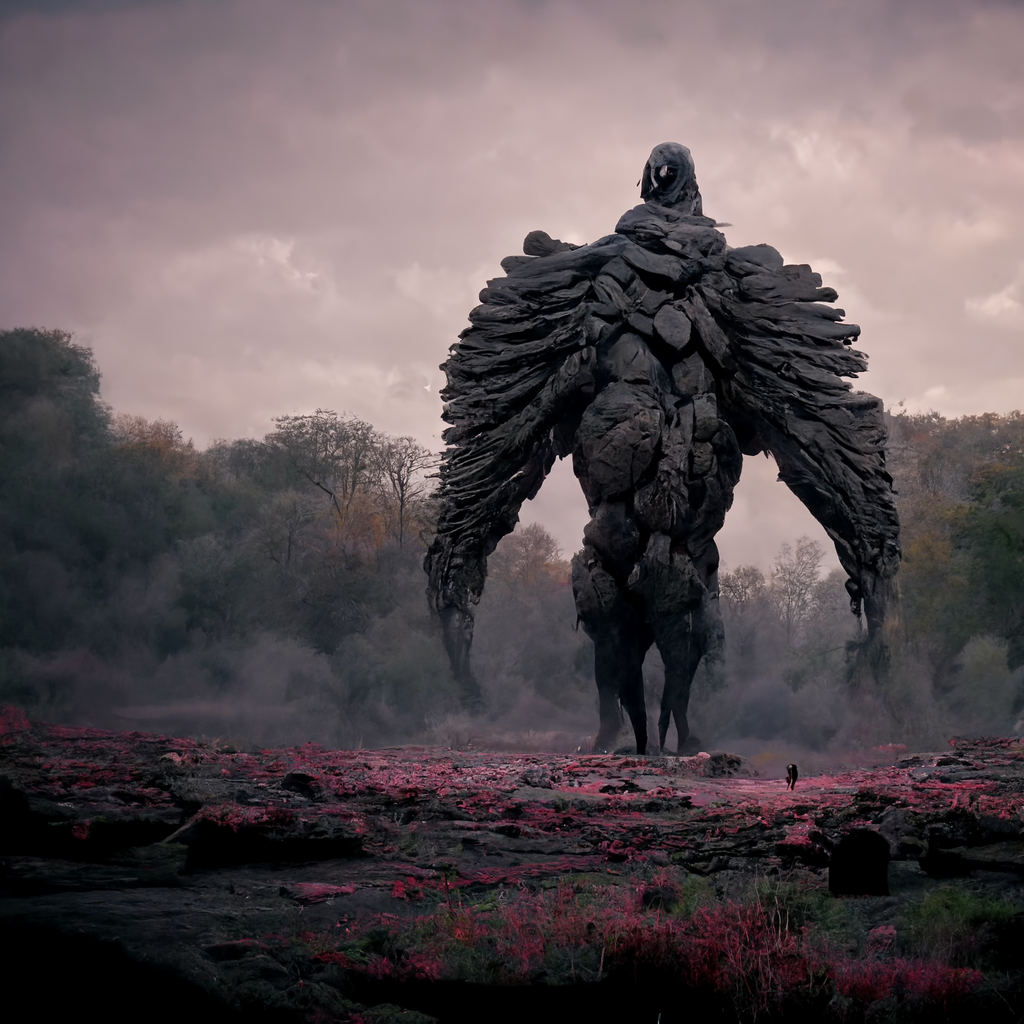
#312 Galum
Galums are ancient, majestic creatures born from the remains of ancient warriors. They were once sentient beings known as the "ustones," but were transformed by an unknown magic into massive, leathery creatures with two wings and a retractable tail. Galums can speak, but rarel...