Currently...
Biome Modifiers
Fiery summers
Summers in this biome are particularly devastating due to high heat and frequent fires.
Forbidden
It is against local laws to visit this biome. None are allowed to enter.
Freezing rain
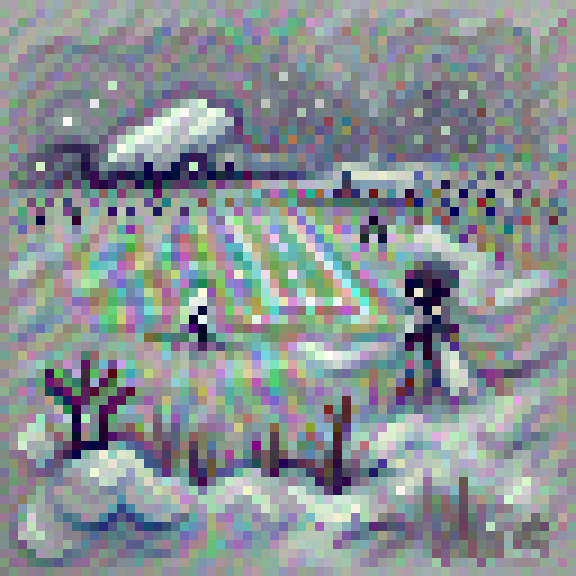
This biome is prone to frequent freezing rain.
Creatures found in the Outt Tundra
COMMON
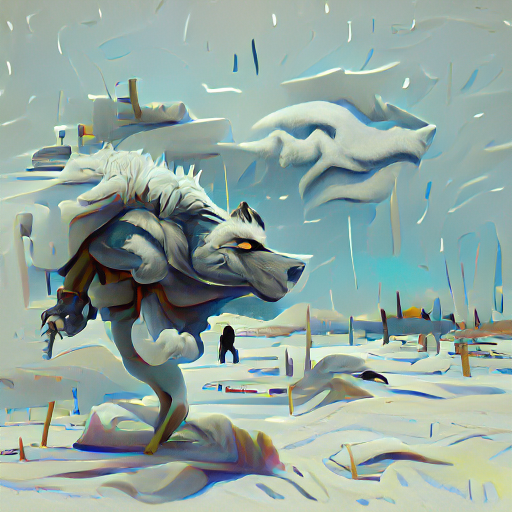
#068 Werespirit
These poor souls thought death would be a sweet release from their lcyanthropic curse. Instead, werespirits go into a ghostly rage every full moon, furiously causing mild inconveniences and minor mishaps for people in the physical realm. Some cultures bury suspected werewolves...
#068 Werespirit

UNCOMMON
#366 Hastdre
In the furthest reaches of the coldest tundras where visibility reaches near-zero with even your hand right in front of your face, the mechabionic hastdre dominate the area with metallic skin and no need to eat. These hastdre are able to sustain themselves with solar energy, a...
#366 Hastdre
COMMON
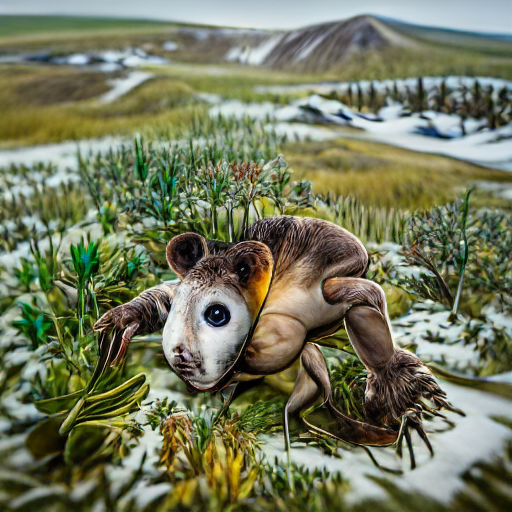
#126 Fexodo
Fexodos are small, furry animals that somewhat resemble a cross between a bat and a mouse. They live in herds of around fifteen and need very little food, subsisting mainly on insects and fruits. Fexodos are social and affectionate animals, and are often kept as pets by humans...
#126 Fexodo
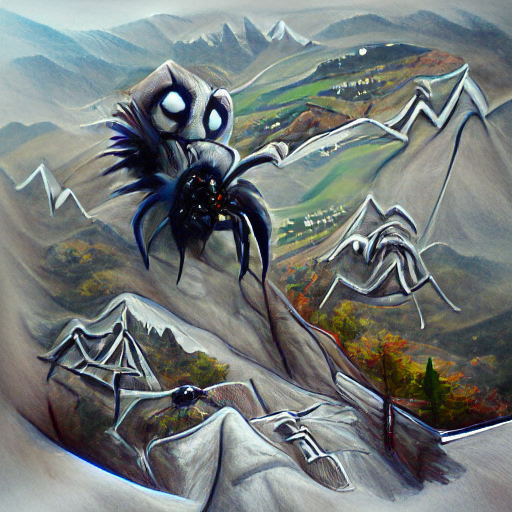
UNCOMMON
#103 Mountain Widow
The mountain widow is a spider that lives in the snowy mountains of the world. It is well adapted to the climate, as it burrows into the snow and stays underground until it is disturbed by the vibrations of footsteps. While underground, mountain widows will enter a meditative ...