UNCOMMON

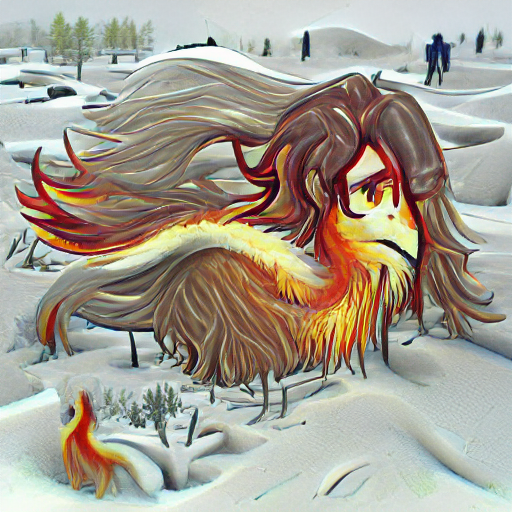
#193 Udeneth

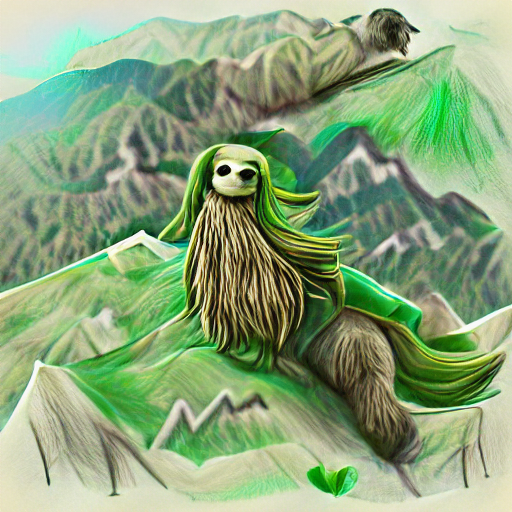
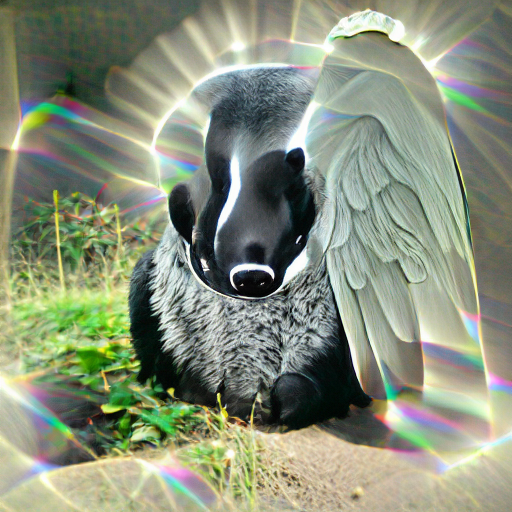
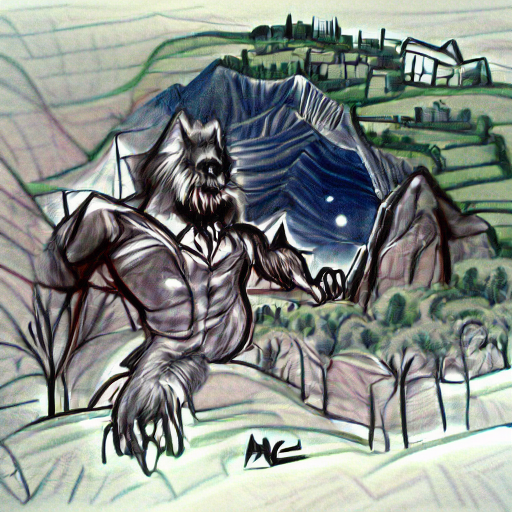
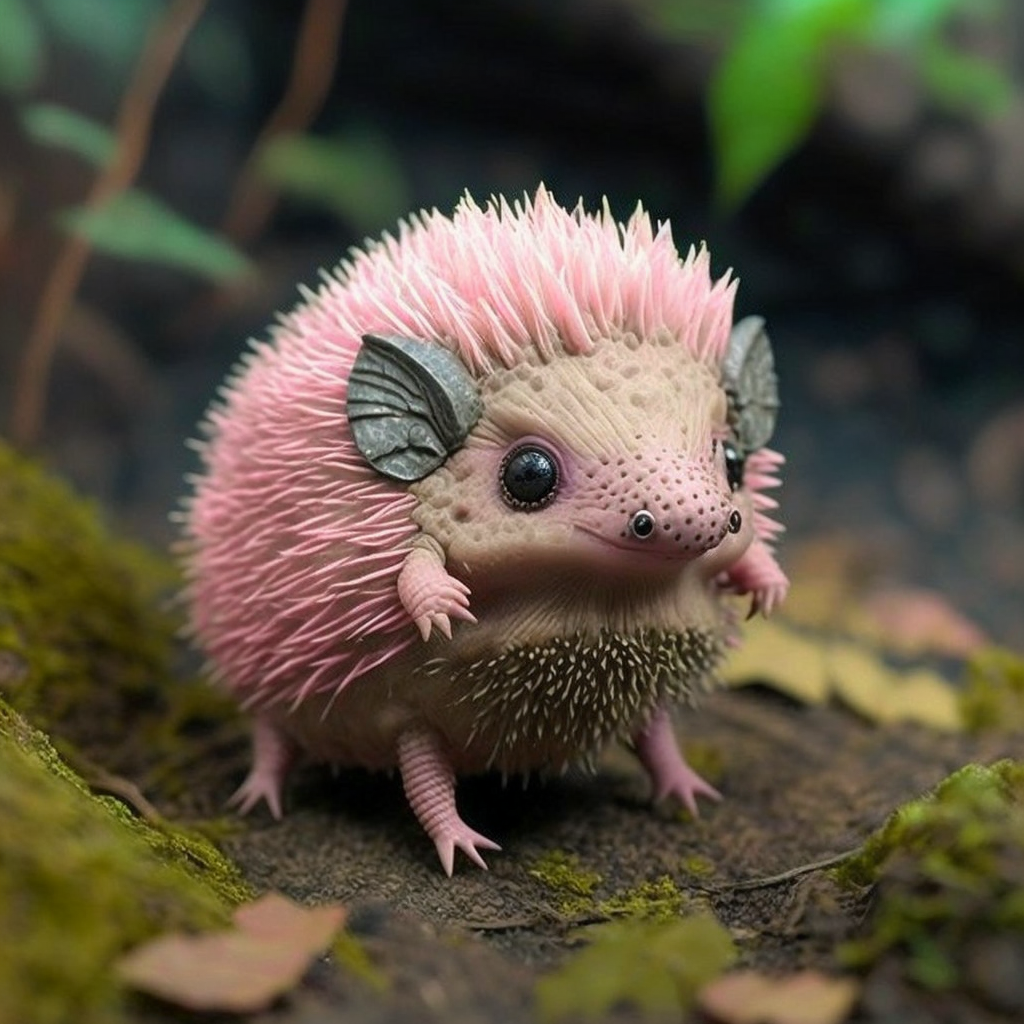
The udeneth is a large, light-colored creature that somewhat resembles a llama. It has no ears or nose and must rely on sight and touch to find its food. Udeneths are found on mountainsides where they frequently burrow into the snow, where they will sleep, store food, or hide from other creatures. They are very sensitive to light and will glow when they are touched or if they feel threatened.

Found in
Release Date July 08, 2022
Sign up for a free account to claim this creature as your own.

Discover other creatures

Explore an endless universe of ficticious life on NovelGens.

UNCOMMON

#026 Oroch

Orochs are more closely related to an octopus or squid than any known spider species, yet are commonly mistaken for spiders. Luckily, their bright-red color serves as a loud warning of how deadly orochs can be due to the way they hunt. Once they'v...

UNCOMMON

#019 Braggen

Braggens are large, blue birds that are known for their ability to fly extremely fast. They are very difficult to catch and can be found most often in forests following a wildfire. Braggens are extremely intelligent and can communicate with humans...

COMMON

#091 Mouma

Mouma often live among jellyfish herds, but are more closely related to goldfish. Their bright, red coloring is a deterrent to most aquatic predators, although they're squishy and delicious. Mouma are a common pet for schoolchildren because of the...

UNCOMMON

#242 Antwij

Antwij are a race of small angomites that originate from the southern deserts, but have long since migrated to a wider array of biomes after their homes became uninhabitable. Antwijes don't typically survive very long in the wild, except in the ea...

UNCOMMON

#216 Zelorgbia

Zelorgbian creatures are relatively simple jellyfish-related invertibrates that live on the edges of the ocean. Zelorgbians come on shore to bask in the sunlight and to lay their eggs. However, they can't move on land and risk dehydration if they'...

COMMON

#339 Karkat

Karkats are medium-sized creatures that spend most of their time on the ocean floor, though they will occasionally come to the surface for air. They have hollow bones and two long, nearly prehensile tails that help them to swim quickly. When they ...