
COMMON

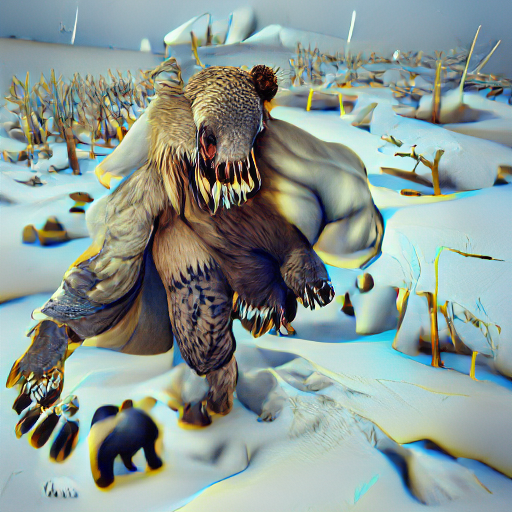
#014 Yogido

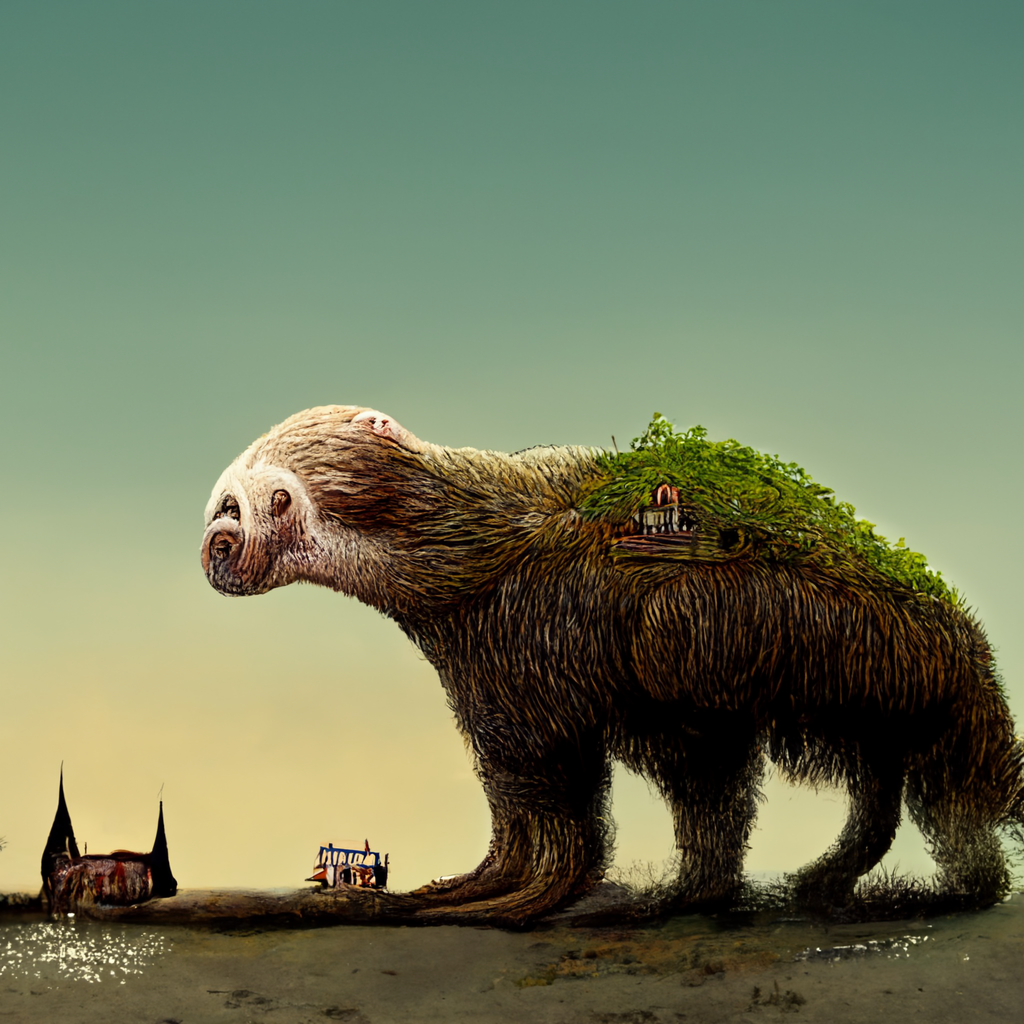
Yogidos are eastern mammoth-goat hybrids that can grow to extreme sizes. It's not uncommon for a town to collectively adopt a Yogido, which can provide substantial fur, fuel, and warmth to the town and — in the case of the most well-trained Yogidos — occasionally hunt for the town, too.

Release Date January 10, 2022
Sign up for a free account to claim this creature as your own.

by ninja
♥ 5

by Andrew
♥ 4

by Andrew
♥ 2

Discover other creatures

Explore an endless universe of ficticious life on NovelGens.
COMMON

#065 Aetyl Squid

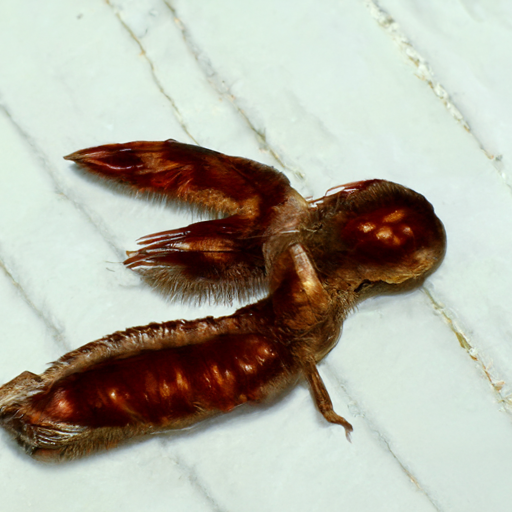
Aetyl squids swim through sand like their aquatic cousins do through water. They survive off a primarily-meat diet that are captured either by trap or a surprise emergence from the sand, dragging their prey back underground. The aetyl squid also m...

COMMON

#096 Cerasuc

Cerasucs are large, furry mammals that live in deep caves and are often found in groups of 10 or more. They have a black coat and antlers that are prized for their ability to reflect light and light up dark spaces. They have excellent night vision...

RARE

#162 Dansi

The dansi is a species of fish that can be found near the water surface in many areas of the world. They have an average length of fifteen inches and an average weight of thirty ounces. Dansis have a very flexible spine which allows them to make r...

UNCOMMON

#274 SLP-059

SLP-059 is a stable organic mutation of the venus fly trap, successfully designed and created at the [redacted] facility in [redacted], Virginia. SLP-059 can be recognized by its thick, mossy feet and long bristles which can extend up to six inche...

RARE

#267 Groxus

The groxus is the largest known insect in the world. They can grow to be 300 feet long and weigh up to 60 tons. Groxuses are nocturnal, feeding on large mammals and each other. They can be found in forests and deserts throughout the world. Because...

UNCOMMON

#334 Xolgar

Xolgars are giant birds native to tropical islands. When they hunt, they will pick up a strip of bark from a tree and carry it in their beaks, which they then use to create a makeshift hardnet to trap fish in the water. Once a fish has been caught...