COMMON

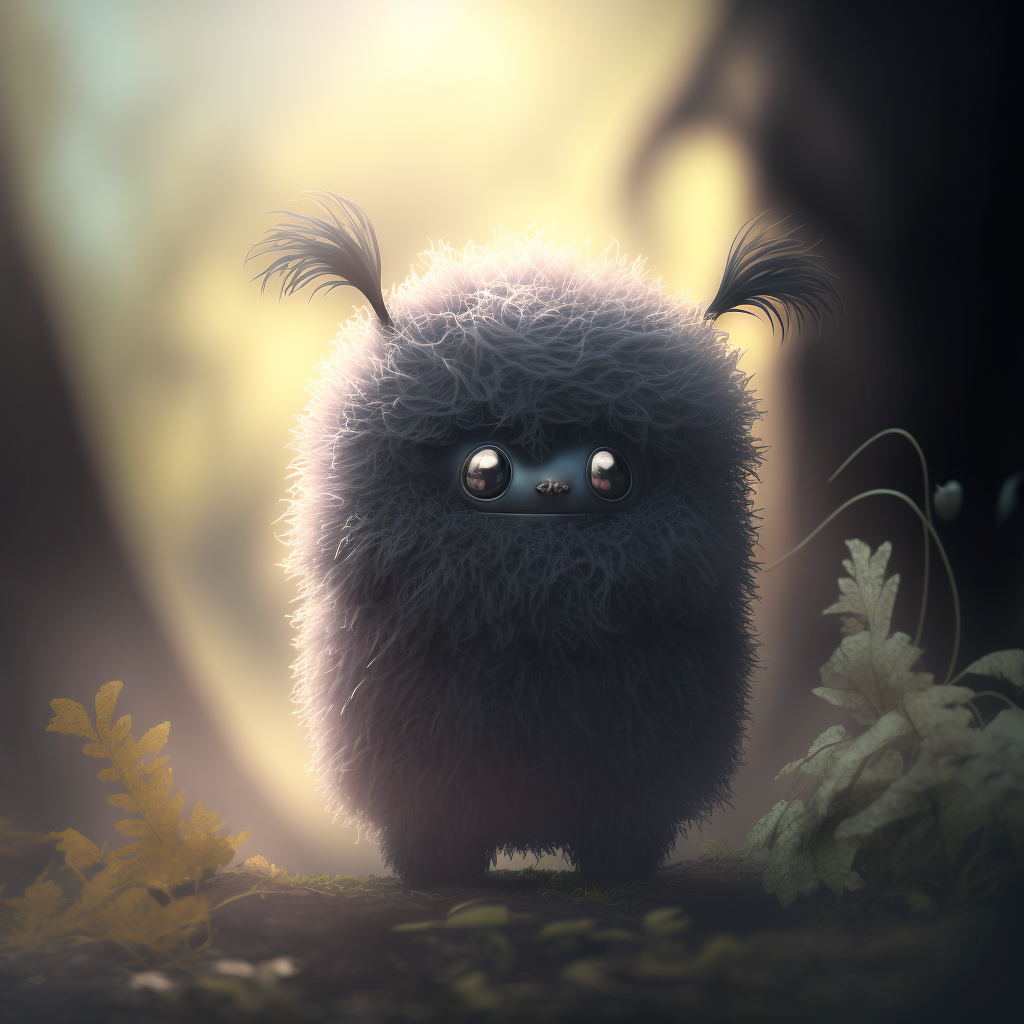
#230 Pinlup

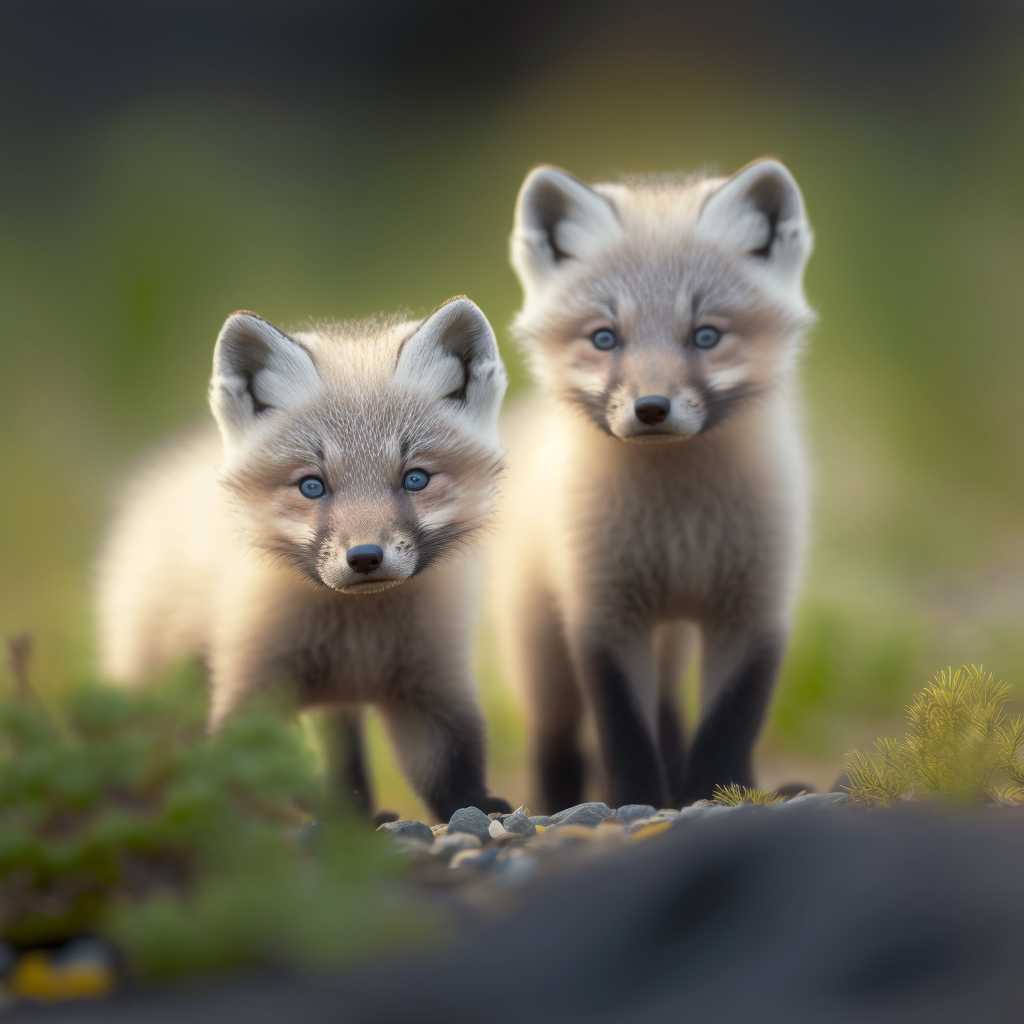
The humble pinlup is a delightful breed of small animal common in wild areas near human settlements. It's a popular activity for parents to bring their kids out to play with pinlups, providing them with bread and berries to eat; in return, pinlups bless those they play with with good luck and fortune. Pinlup tongues are bright blue and used to be heavily poached for trophies, but the species' rapid population growth over the past decade has devalued any perceived rarity or uniqueness, allowing the species to thrive even further.

Release Date August 14, 2022
Sign up for a free account to claim this creature as your own.

♥ 0

♥ 0

Discover other creatures

Explore an endless universe of ficticious life on NovelGens.
COMMON

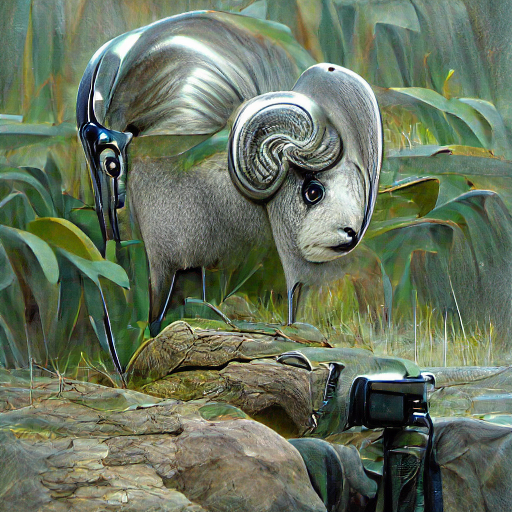
#116 Nitenel

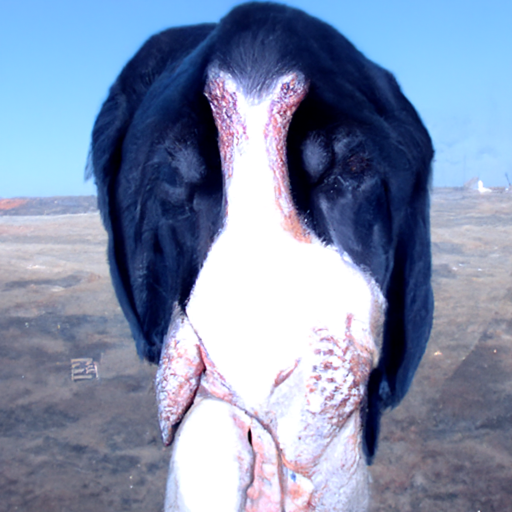
Nitenel are large, gentle creatures when domesticated. They have four heads, six folding wings, and a long, whip-like tail. They have no arms. Their eyes are a piercing red that contrasts their blue feathers beautifully; their beaks are small and ...

COMMON

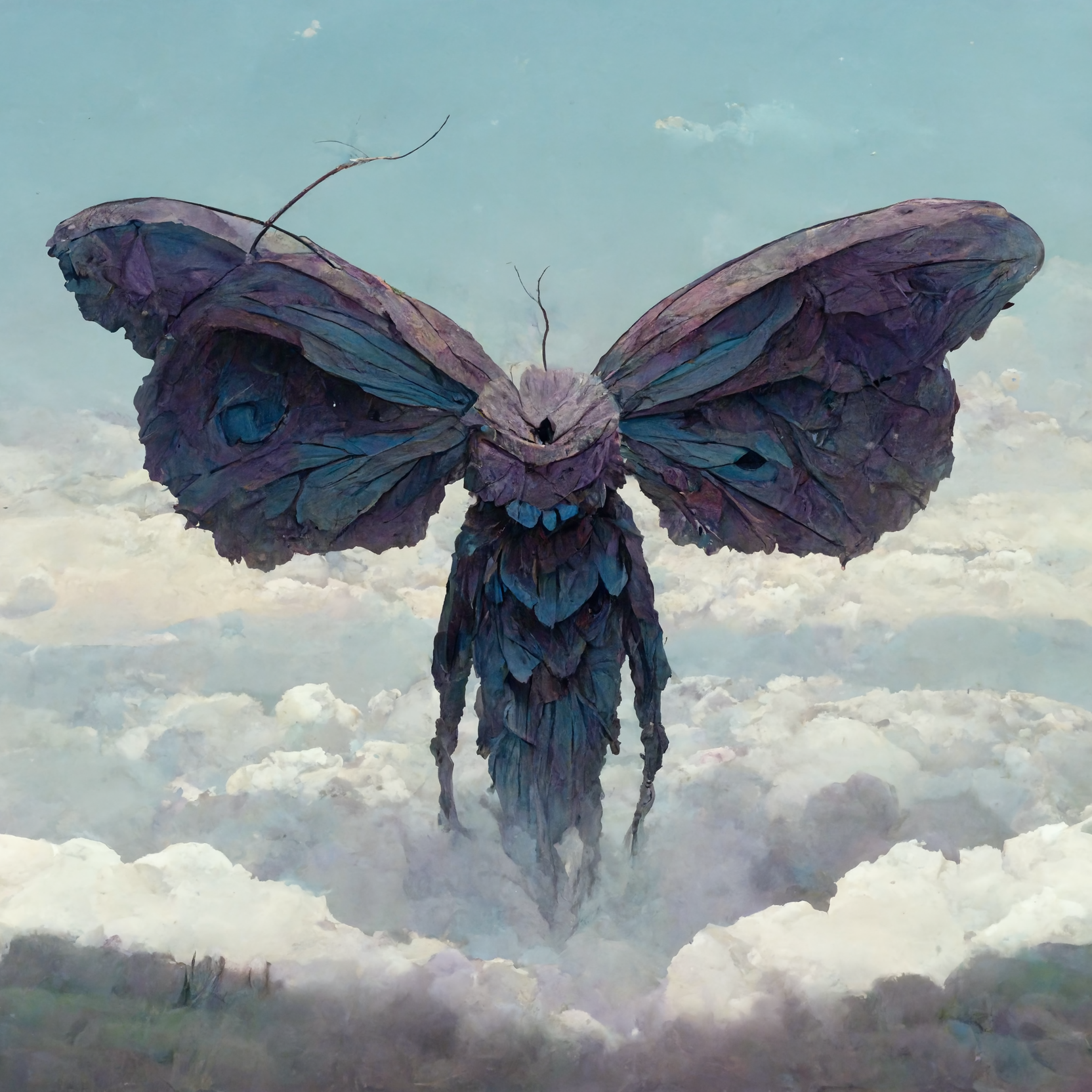
#088 Fustonin

Fustonins are small, blue birds that live near active volcanoes. They are extremely light and can fly at speeds of up to 300 mph. They have no beaks and instead use the hard, pointed end of their shoulder to peck at the sides of a volcano and pry ...

COMMON

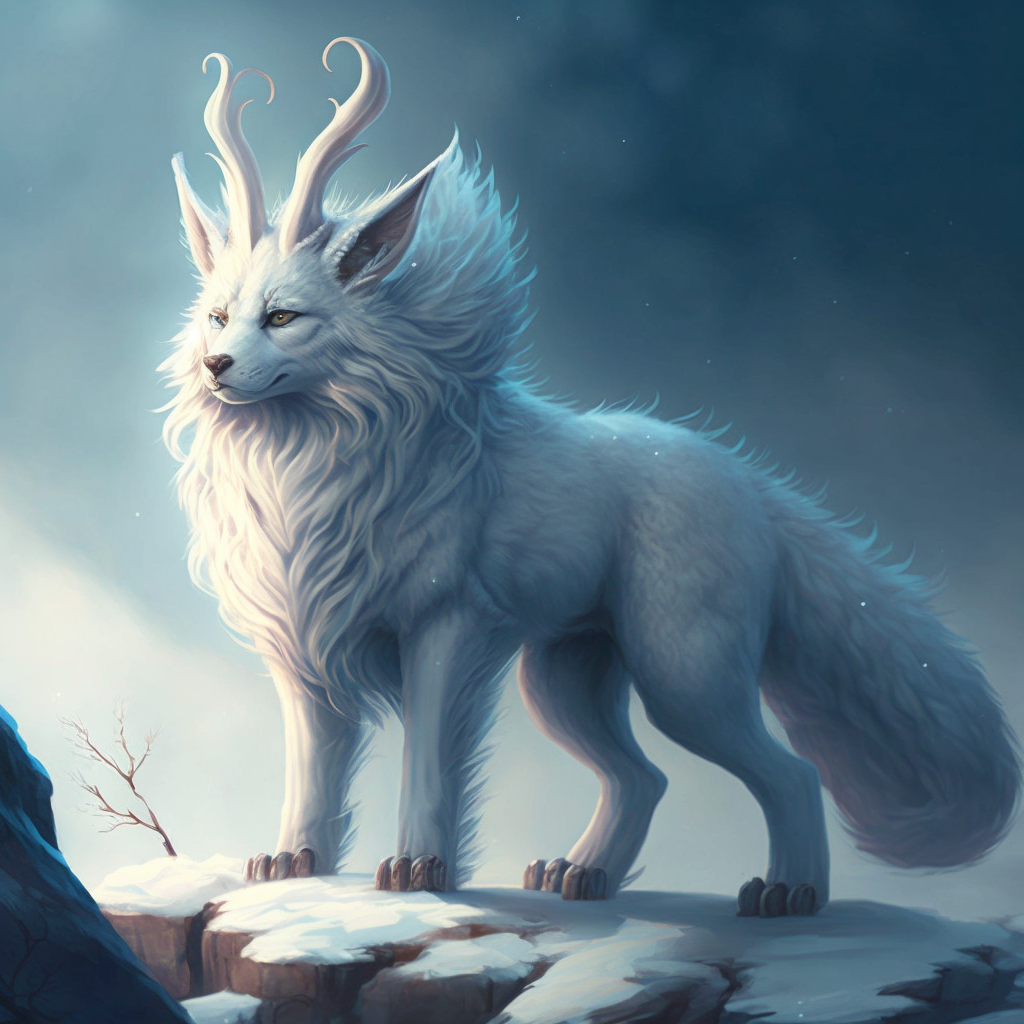
#149 Softwalker

Softwalkers are a very strange and exotic beast that lives in the tundras of the world, connected to a specific species of plant in a symbiotic way. A softwalker has a very large, fluffy coat of hair that covers its entire body except for its face...

COMMON

#140 Fydern

The fydern is a green creature roughly the size of a human fingernail. It has twelve short legs and two wiggling antennae, which it uses to catch microscopic bugs. Its body is covered in a thick, greasy layer of skin and fat. If a fydern is taken ...

UNCOMMON

#156 Salnodist

Salnodists are water-dwelling reptiles that hunt by inching slowly towards their prey and trapping them in their mouths before they can escape. The lower jaw is supported by a flexible bone that allows for a larger mouth. They have no eyes, and in...

RARE

#191 Sabbi san

Sabbi san are a phylum of four-legged microscopic tardigrades first described by Austrian zoologist Robby Saab in 2195, who discovered them in a tainted cave water sample. Sabbi sans move quickly in water or on land with a gait that closely resemb...