COMMON

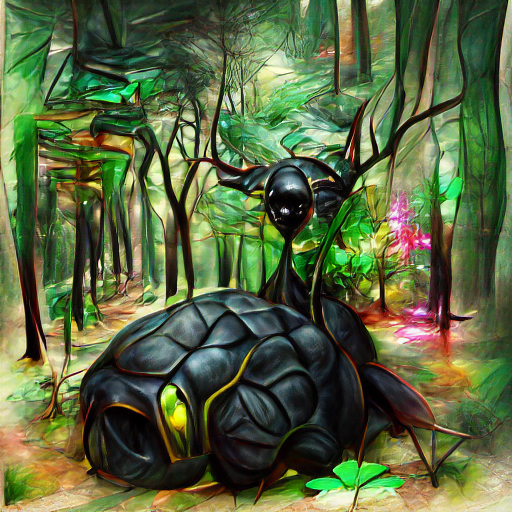
#235 Worgant

Worgants are a species of small were-ants that live in packs in the northern forests. They have a symbiotic relationship with the betzkra woodpeckers, who make holes in the bark of trees to get at grubs and other insects, which worgants then turn into thriving nests. For a brief time after a worgant death, a small, white flower can be seen sprouting from their carcass.

Found in
Release Date August 19, 2022
Sign up for a free account to claim this creature as your own.

Discover other creatures

Explore an endless universe of ficticious life on NovelGens.
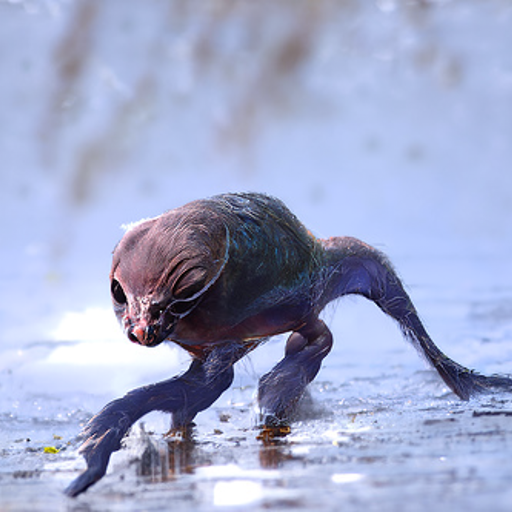
COMMON

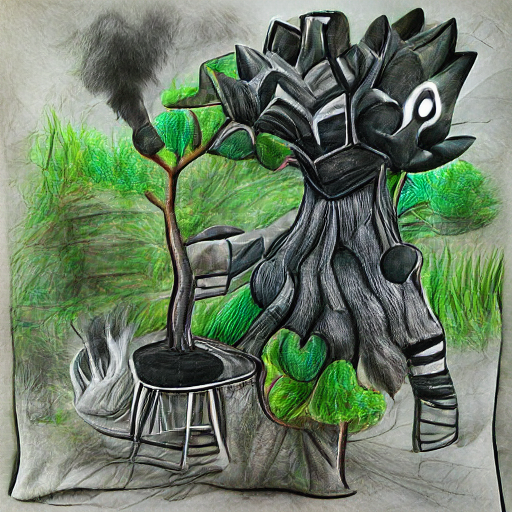
#009 Rappariffian

Rappariffians have never had a confirmed sighting, but cultures throughout history have always told stories of some form of them, albeit with different names. These spectral presences weave themselves through dimensional planes, occasionally passi...

UNCOMMON

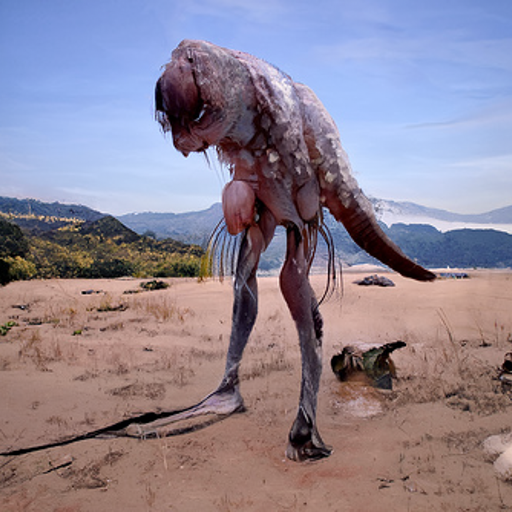
#027 Mipurd Ballow

Mipurd Ballows are a small, primitive species of salamander that are found in the deepest cavities of melting ice sheets. They are extremely hardy and can survive in almost any environment, but they are slow-moving and are often considered weak by...

UNIQUE

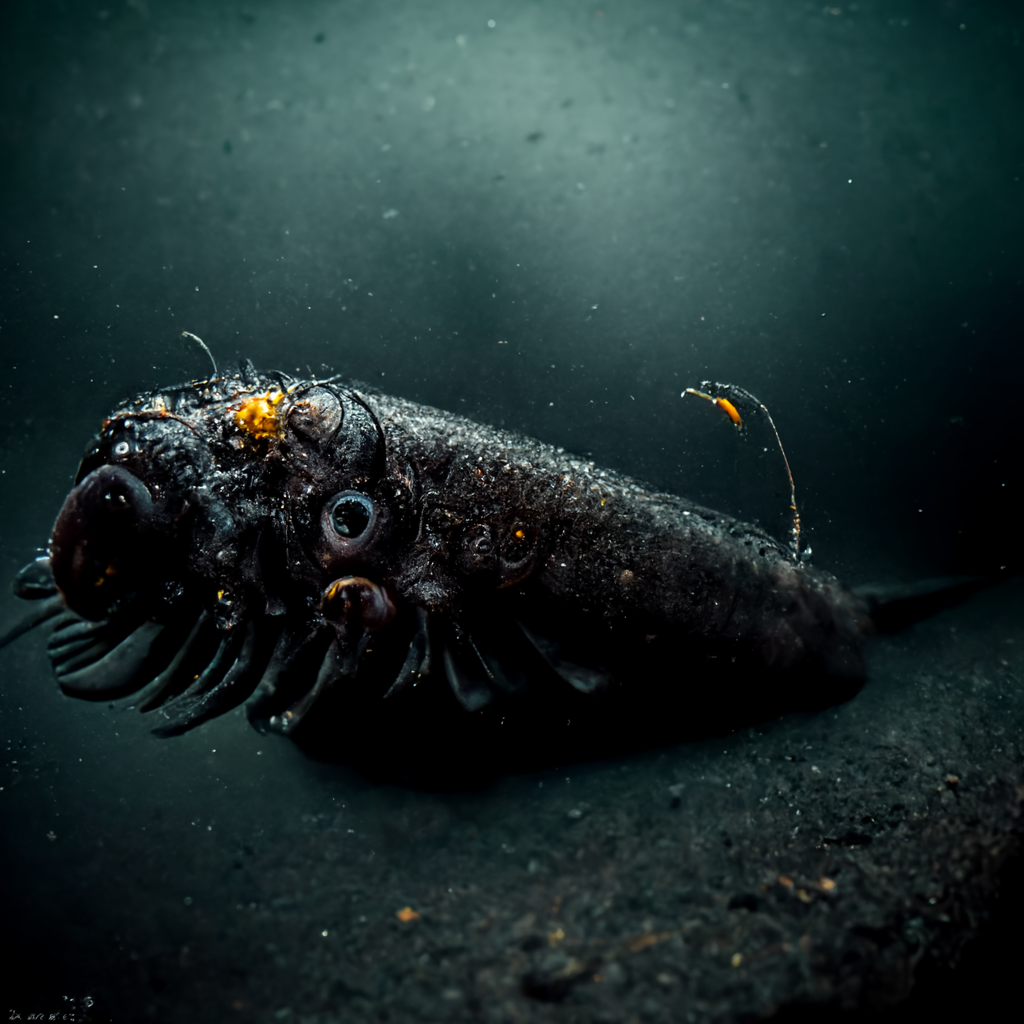
#218 Sihzzh

A sihzzh is an aquatic creature with a variety of strange habits related to constantly shedding its hardened skin. They usually live in large lakes or in the briny depths of the ocean, where they prowl the water in an almost never-ending search fo...

UNCOMMON

#216 Zelorgbia

Zelorgbian creatures are relatively simple jellyfish-related invertibrates that live on the edges of the ocean. Zelorgbians come on shore to bask in the sunlight and to lay their eggs. However, they can't move on land and risk dehydration if they'...

UNCOMMON

#251 Gorgolasa

Gorgolasas are giant carnivorous spiders with very sensitive eyes and hearing. They have a speed and agility comparable to that of a human, and they will often hunt in packs to bring down larger creatures. Despite their ferociousness, when humans ...

COMMON

#339 Karkat

Karkats are medium-sized creatures that spend most of their time on the ocean floor, though they will occasionally come to the surface for air. They have hollow bones and two long, nearly prehensile tails that help them to swim quickly. When they ...