RARE

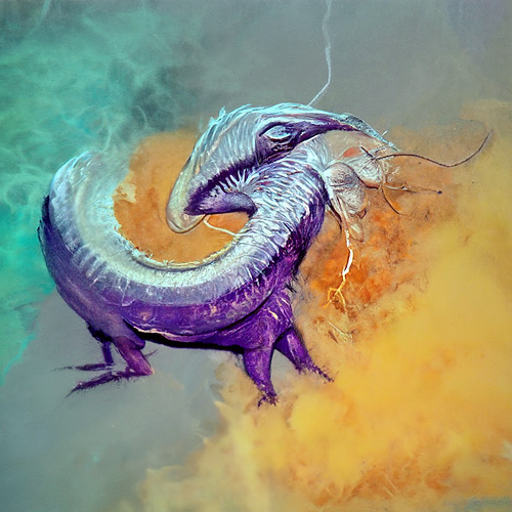
#355 Vilagoth

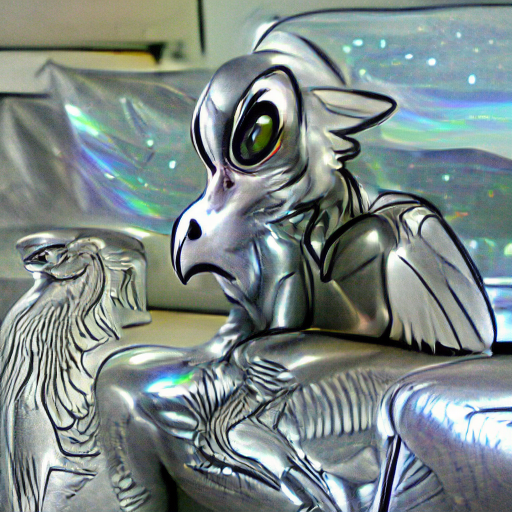
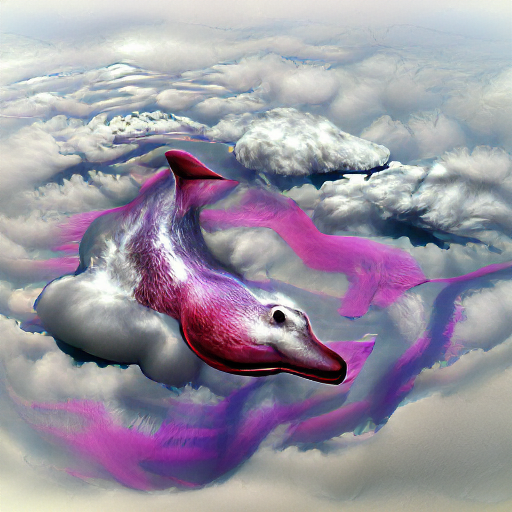
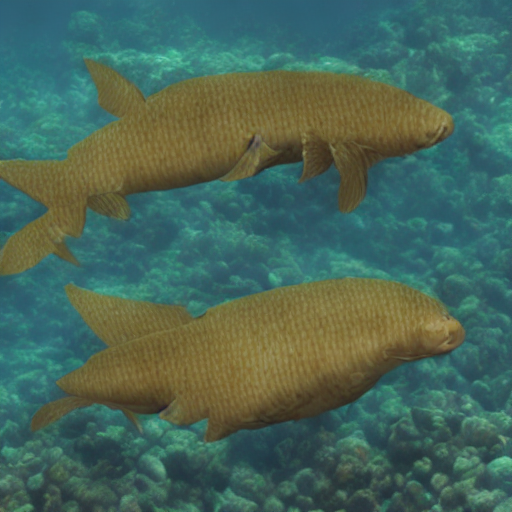
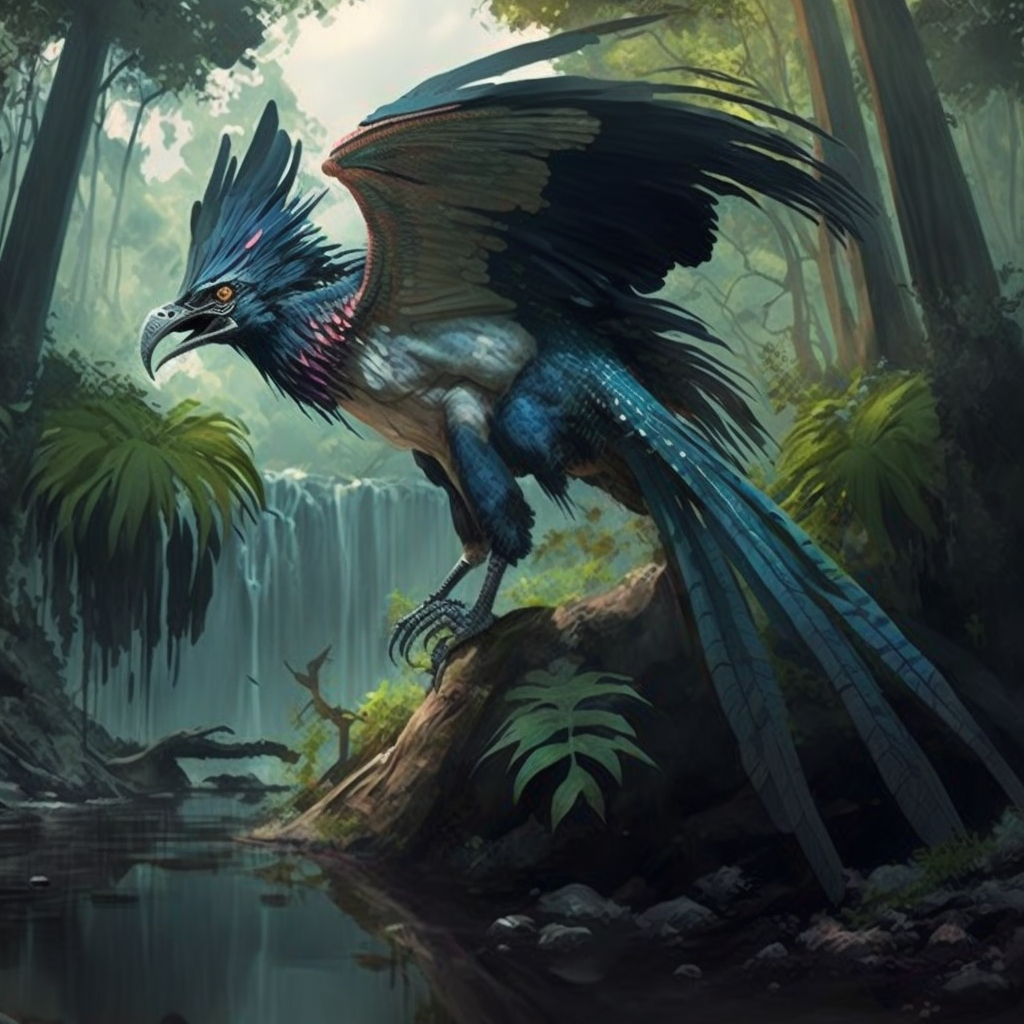
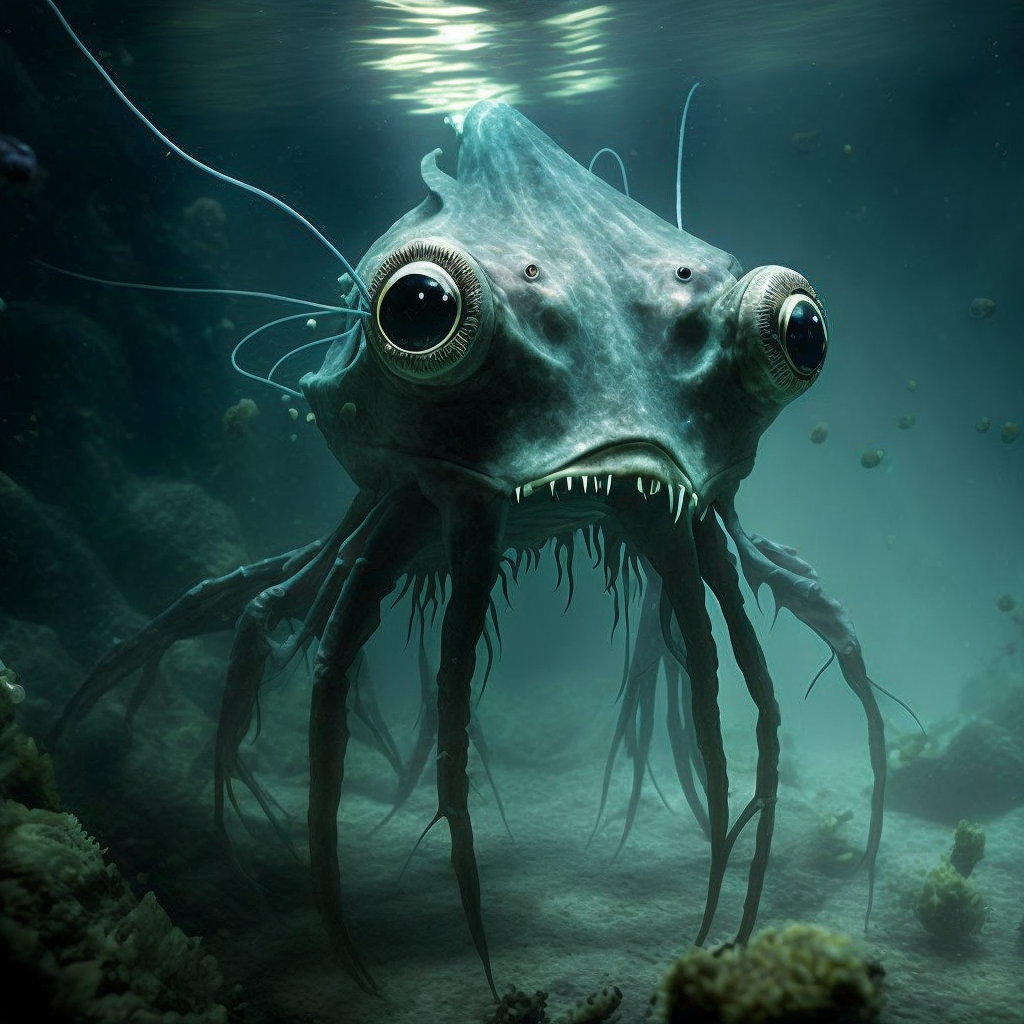
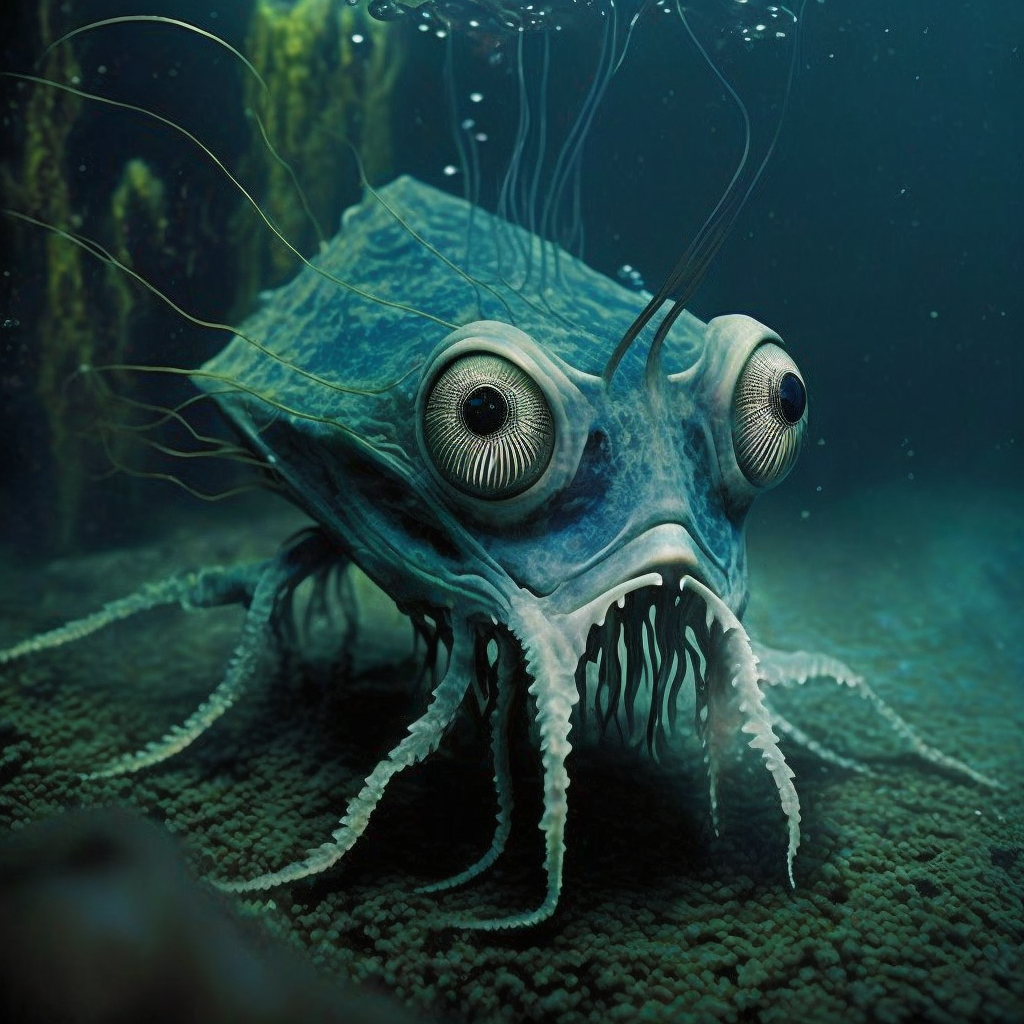
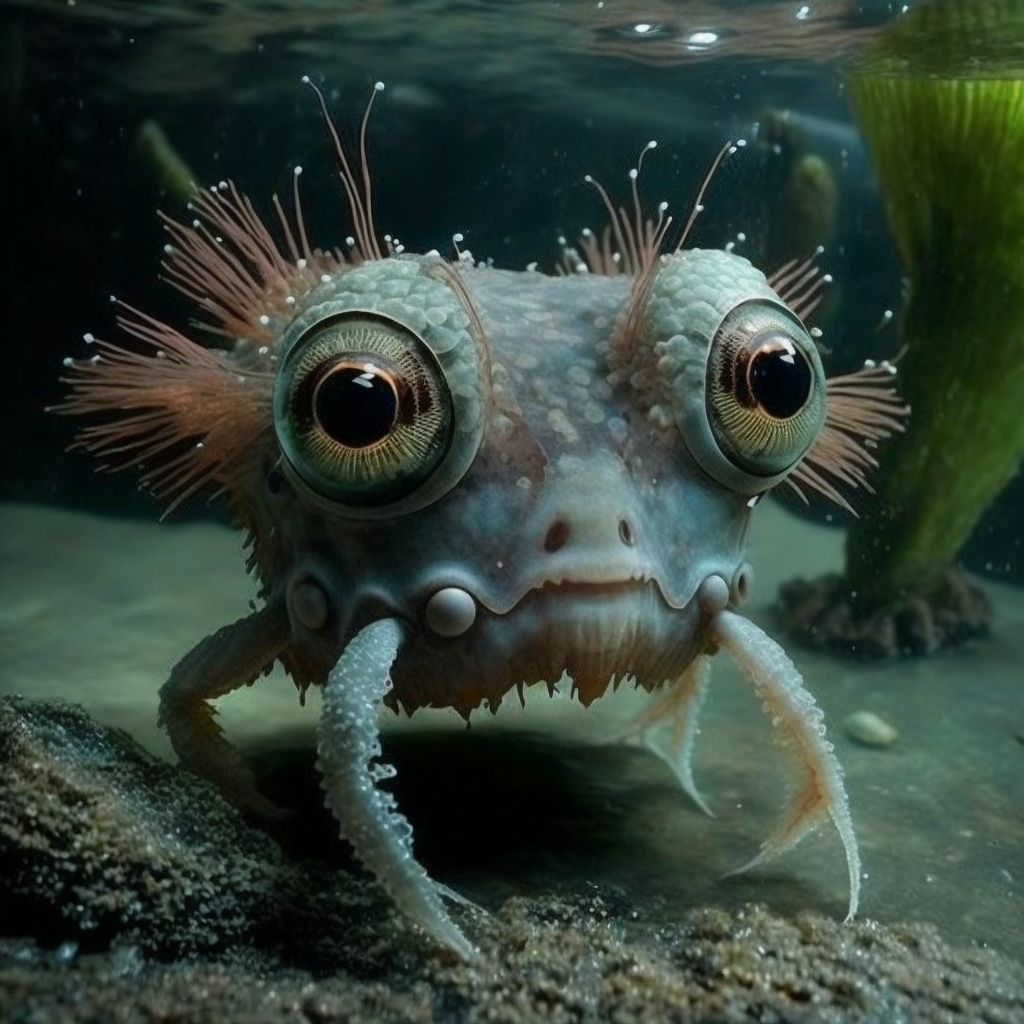
Vilagoths are an intelligent species of semi-aquatic jellies. They have large eyes and at least four tentacled arms with webbed microfingers, and they can breathe underwater for up to ten days at a time before needing to resurface. The males have small tusks that grow from their lower jaws, but the females don't have any. They are very friendly and docile creatures that like to spend their time floating around in the water and playing simple games with each other. They aren't very strong, but they are fast and can swim at speeds of up to 75 km/h. They are also quite intelligent and have been known to teach themselves how to read and write using sunken ships.
Found in
Release Date December 17, 2022
Sign up for a free account to claim this creature as your own.

by NovelGens

by Andrew
♥ 1

Discover other creatures

Explore an endless universe of ficticious life on NovelGens.
UNCOMMON

#035 Desert Decot

The desert variation is a little rarer than the common decot and typically lives in isolation in abandoned structures in the desert. Its long hair is actually paper-thin and provides shielding against the sun and sandstorms without much added warm...

COMMON

#038 Gyrom

Gyroms are genetically-engineered giraffe variants that not only have significantly more fat and muscle, but also produce a thin protein film on their skin that absorbs back into the meat to ultimately provide more than double the protein per poun...

COMMON

#116 Nitenel

Nitenel are large, gentle creatures when domesticated. They have four heads, six folding wings, and a long, whip-like tail. They have no arms. Their eyes are a piercing red that contrasts their blue feathers beautifully; their beaks are small and ...

UNCOMMON

#131 Phembluf

Phemblufs are large, blue fish that live in the deeper, frozen parts of the northern oceans. Phemblufs average two to three feet long and have a long black, snout with a mouth full of razor-sharp teeth that can drill through ice with ease. Phemblu...

UNCOMMON

#171 Horsnau

These radioactive snails descend from the common snail but have mutated to grow branching, interconnected shells around long, eel-like bodies. Horsnaus typically live 20-25 years and then die in their shell, which is often too intricate to be reus...

UNCOMMON

#284 Senjfisk

Senjfisk use thousands of microscopic limbs to move sand around them, enabling them to effectively swim through sand and loose dirt. These nocturnal carnivores also undergo a biological stasis while sleeping, which completely stops all but their m...