COMMON

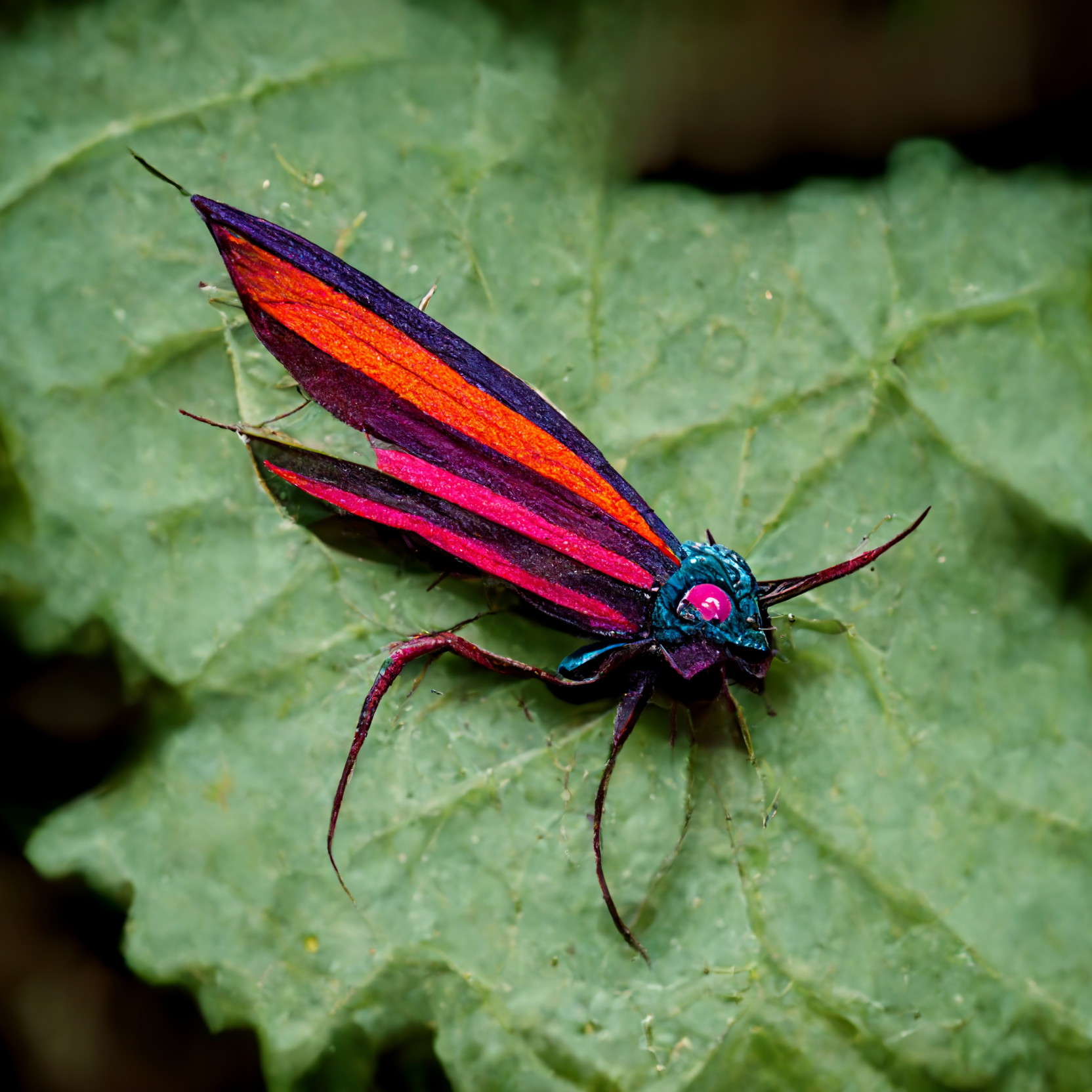
#227 Ganturp

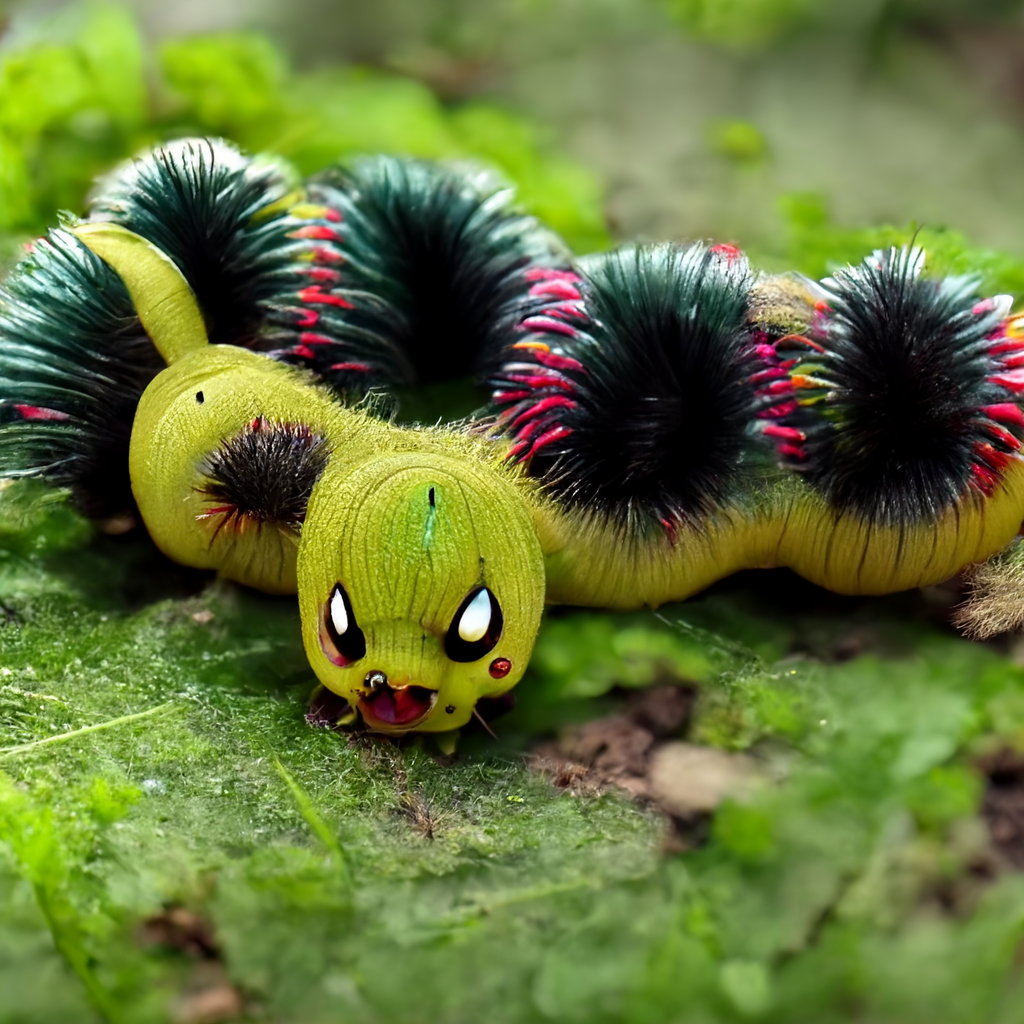
Ganturps are a species of relatively large insect found in forests throughout the world. They are brightly-colored and use their wings to create unique patterns that can be seen from afar. These patterns can be used by other ganturps to determine a ganturp's age, health, and gender. A ganturp's wings can also be used to mesmerize small, simple creatures. Ganturps typically live in groups of several thousand outside of caves and hunt at night. They have been known to eat livestock and small woodland creatures.

Found in
Release Date August 11, 2022
Sign up for a free account to claim this creature as your own.

Discover other creatures

Explore an endless universe of ficticious life on NovelGens.

UNCOMMON

#005 Thabu

Thabus are hulking creatures of ancient history that have survived over time by melding with mountains and hibernating. They awake every thousand or so years to see if the world is a better place, but a thabu invariably goes back to sleep after ea...

COMMON

#017 Dust Angel

The dust angel is a common critter in arable desert areas. Nutrients from their saliva propagates through plants into the soil, improving yield for all plants in the vicinity. They're extremely rare and expensive, but the richest farming organizat...

UNCOMMON

#027 Mipurd Ballow

Mipurd Ballows are a small, primitive species of salamander that are found in the deepest cavities of melting ice sheets. They are extremely hardy and can survive in almost any environment, but they are slow-moving and are often considered weak by...

RARE

#177 Luneptera

The luneptera are a rarely-seen race of intelligent humanoid beetle that claim to be related to fairies. Not much is known about lunepteras other than recorded observations from times when they were more common to see, but it is written that their...

UNIQUE

#256 Ifrit Wyrm

The fabled ifrit wyrm is a colossal demon sandworm that makes its home underneath large deserts. Its immense body temperature superheats the desert's environment and can sometimes result in wildfires or thick layers of glass forming beneath the sa...

UNCOMMON

#284 Senjfisk

Senjfisk use thousands of microscopic limbs to move sand around them, enabling them to effectively swim through sand and loose dirt. These nocturnal carnivores also undergo a biological stasis while sleeping, which completely stops all but their m...