UNCOMMON

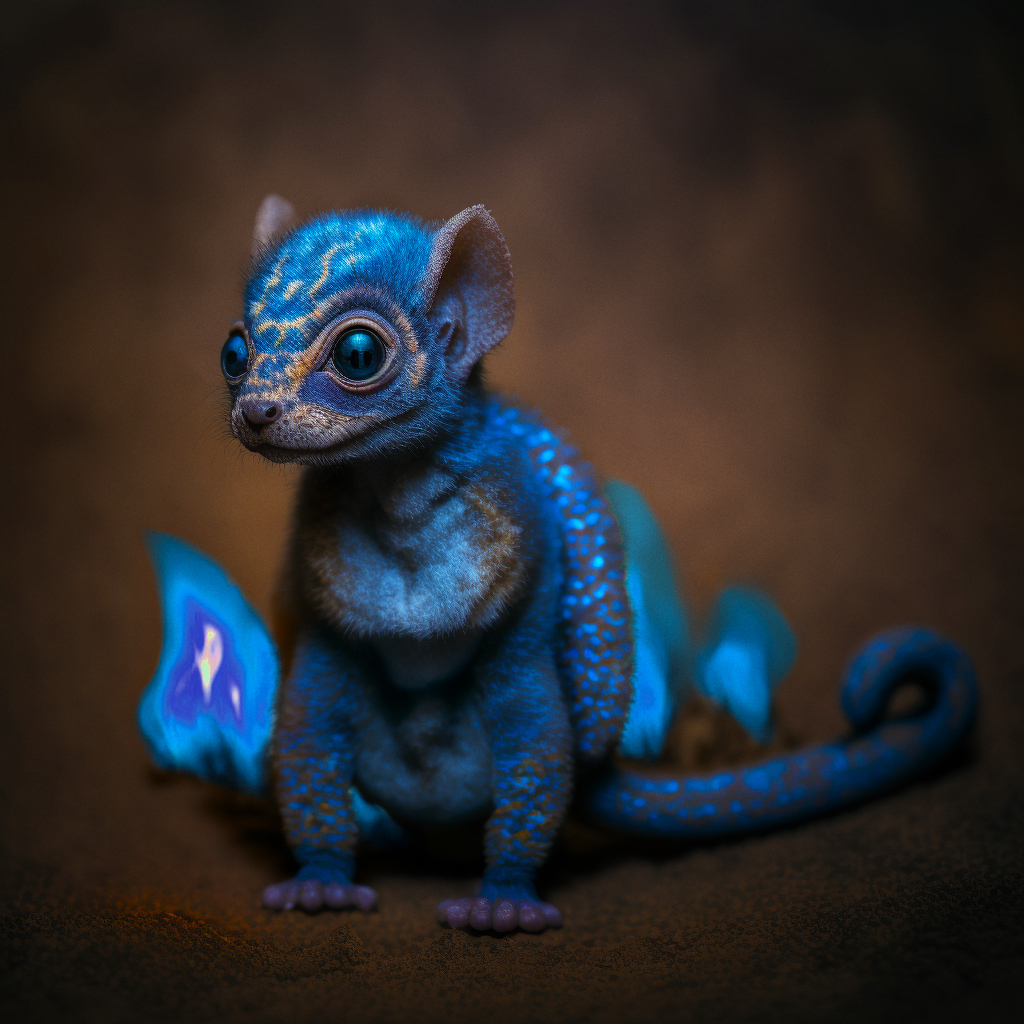
#055 Kurobo

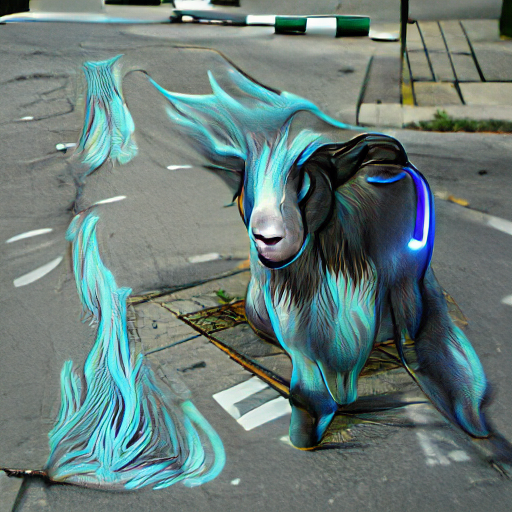
The charming three-legged kurobo walk isn't the only reason they caught the world's eye at their discovery. It's cute, yes, but the real mind-blower is their ability to manifest fire, seemingly at will. The blue fire burns hotter and brighter for as long as the kuobo is near, then fades into the more traditional red and cools down. The first discovered kurobo, Charles, is an internet celebrity.
Release Date February 20, 2022
Sign up for a free account to claim this creature as your own.

♥ 1

Discover other creatures

Explore an endless universe of ficticious life on NovelGens.
UNCOMMON

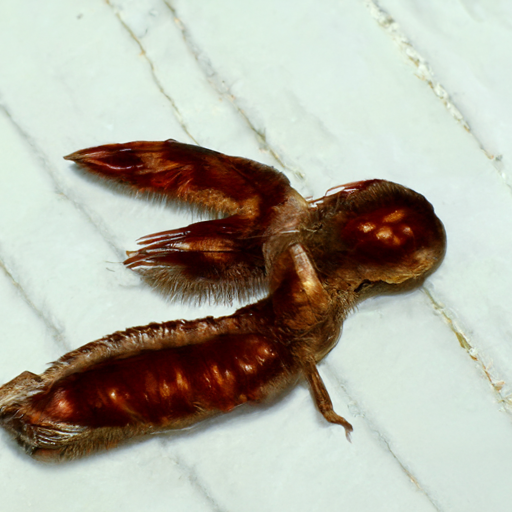
#024 Gnawl

Gnawls are a small, nocturnal, mountain-dwelling species that are known for their ability to carve caves into mountains and their distinctive multi-layered teeth. They are also known for their ability to communicate with each other through a serie...

RARE

#162 Dansi

The dansi is a species of fish that can be found near the water surface in many areas of the world. They have an average length of fifteen inches and an average weight of thirty ounces. Dansis have a very flexible spine which allows them to make r...

UNIQUE

#231 Ephflynne

Ephflynnes are enormous creatures that swim through the air at speeds of up to one thousand miles per hour. They're completely translucent, but they can change the wavelength of light they reflect to blend in with their surroundings or to make the...

COMMON

#255 Squirmpod

Squirmpods are large, plant-like life forms often found in or around the greater rainforest regions. They are about the size of a small human and appear like a giant tree sprout, with a gray-brown trunk and a dark green, leaf-like canopy sprouting...

UNIQUE

#268 Drullar

Drullars are small, terrestrial dragons with a skin made of transparent crystals. Drullars can range in color from a soft white to orange, with large red eyes and a dog-like snout. They are herbivorous and often live in forests and jungles, where ...

UNCOMMON

#284 Senjfisk

Senjfisk use thousands of microscopic limbs to move sand around them, enabling them to effectively swim through sand and loose dirt. These nocturnal carnivores also undergo a biological stasis while sleeping, which completely stops all but their m...