UNCOMMON

#336 Gardical

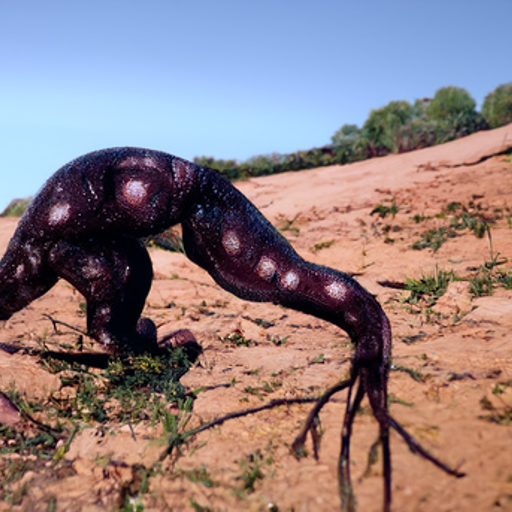
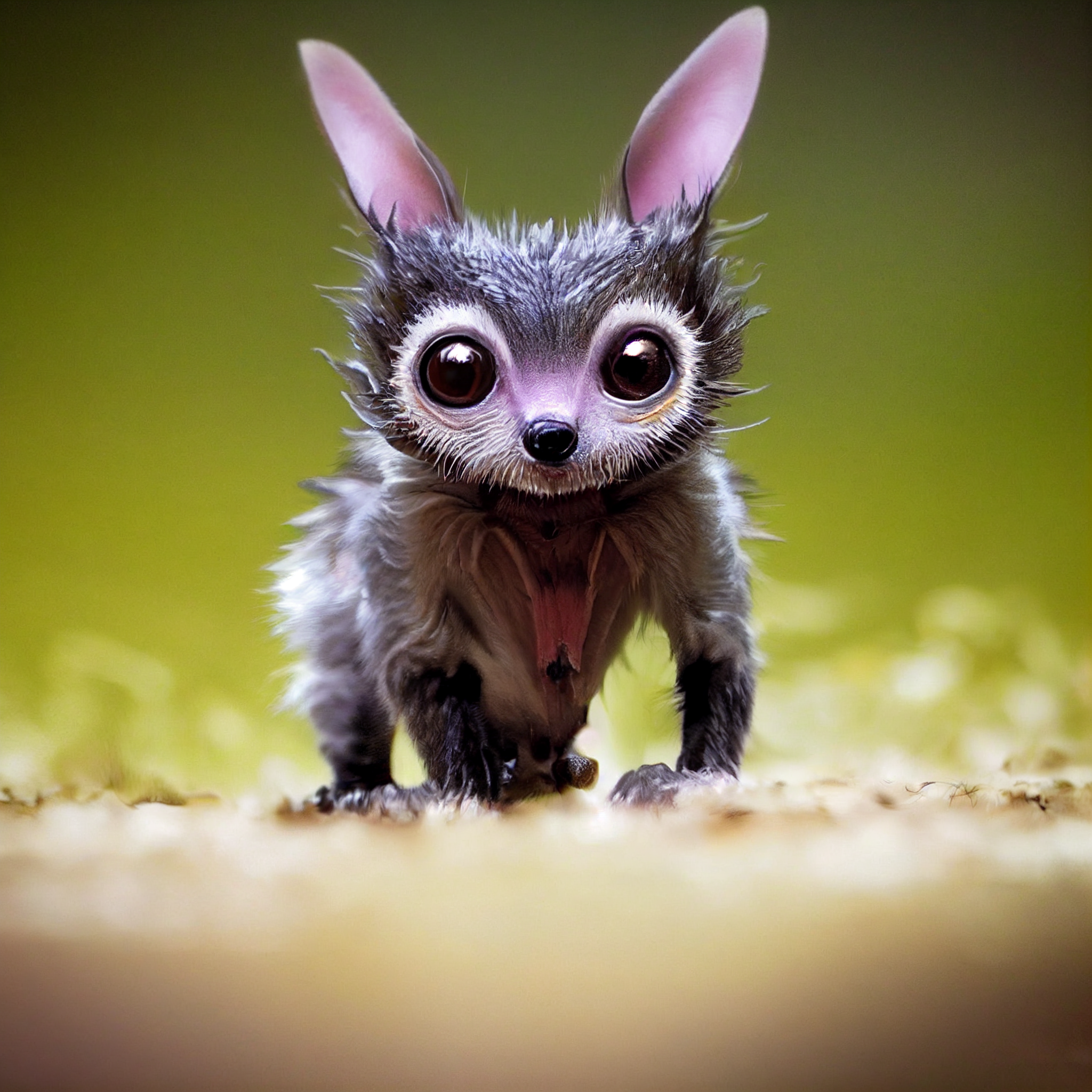
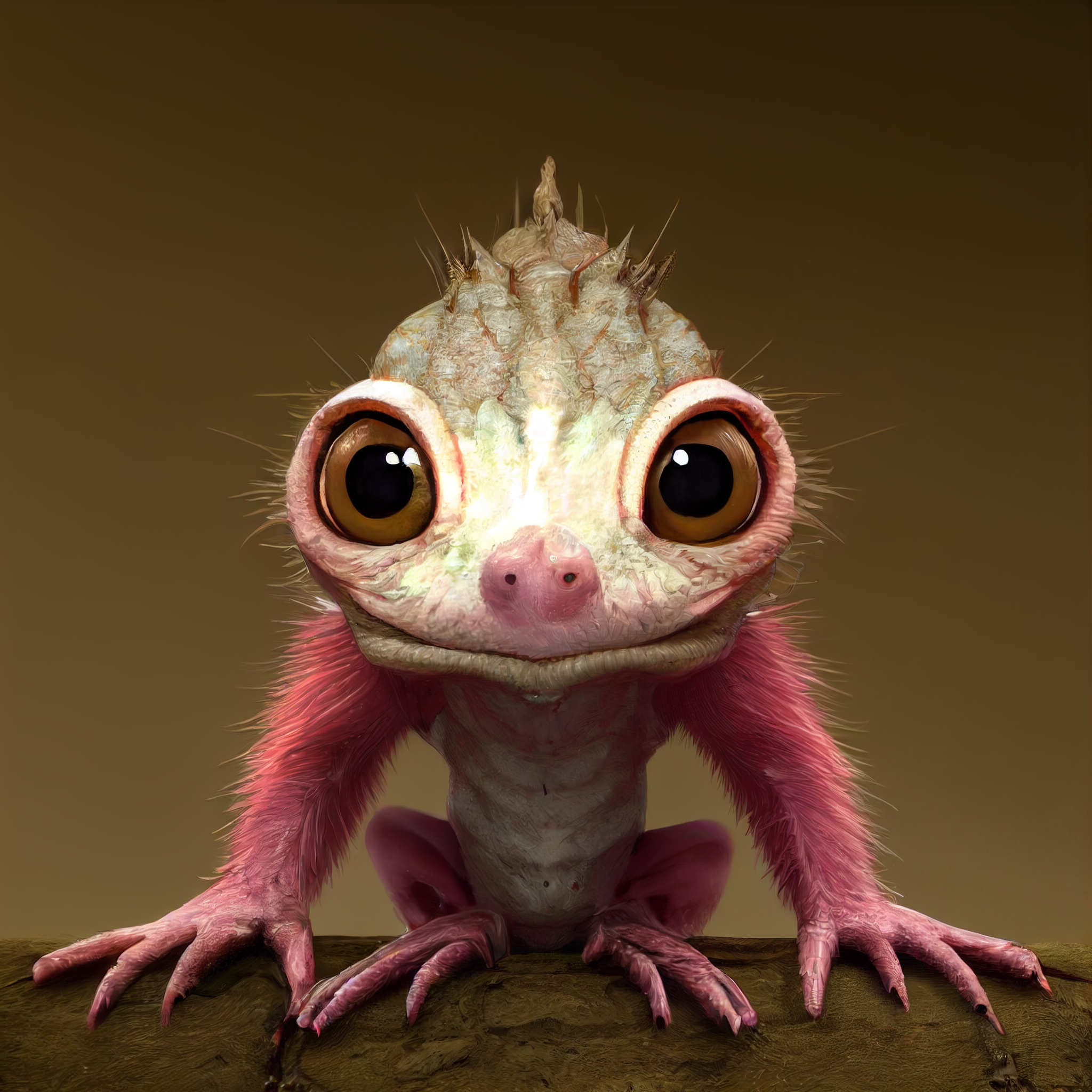
Gardicals are large, amphibious creatures. They are slow and clumsy on land, but are incredibly graceful in water. Gardicals are mostly docile, but it will become extremely agitated and aggressive if they lose sight of their young. Their thick skin is extremely resilient and they are capable of surviving falls from incredible heights and even being shot by guns and harpoons.

Found in
Release Date November 28, 2022
Sign up for a free account to claim this creature as your own.

by NovelGens

Discover other creatures

Explore an endless universe of ficticious life on NovelGens.

UNCOMMON

#029 Chreish

Chreish are sprawling, shapeless creatures that lack the traditional skin and body of most creatures. Instead, they grow long, entwined limbs of pure hair which act like roots to leech nutrients from the plants and soil they crawl over. They shed ...

COMMON

#154 Sizzten muette

The ancient sizzten muette has been a staple of oasis and river life for longer than most other species, acting largely as a peacekeeper among other species over the years. Sizzten muettes can typically be found sipping from water sources and synt...

COMMON

#269 Oceanstar

The oceanstar is a common salt-water marine mollusk. Oceanstars got their name from sailors who could just barely make out twinkling lights beneath the ocean waves in the pitch of night. Oceanstars are herbivores that feed on microplants and detri...

COMMON

#293 Qaral

The qaral is a species of small tree rodent that originated from the forests of the planet Kan. They are about the size of a peanut and look very similar to small mice, but they lack a tail and have short quills instead of hair. Qarals spend most ...

UNCOMMON

#298 Goryth

Goryths are a species of omnivorous humanoids native to the world's greenest mountains. Their bodies are covered in black or dark brown fur and their feet are large and splayed, making them excellent at climbing and jumping. Their heads are large,...

COMMON

#339 Karkat

Karkats are medium-sized creatures that spend most of their time on the ocean floor, though they will occasionally come to the surface for air. They have hollow bones and two long, nearly prehensile tails that help them to swim quickly. When they ...