
COMMON

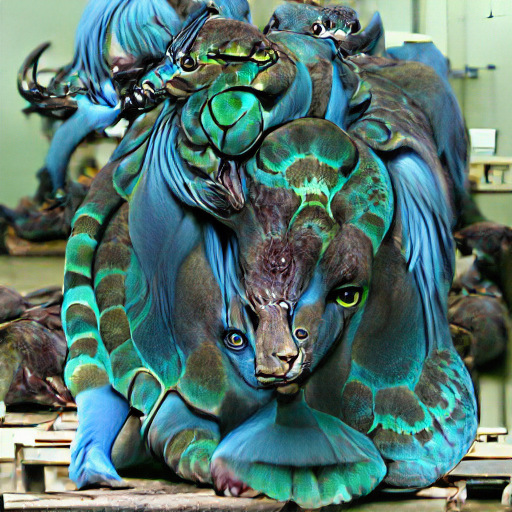
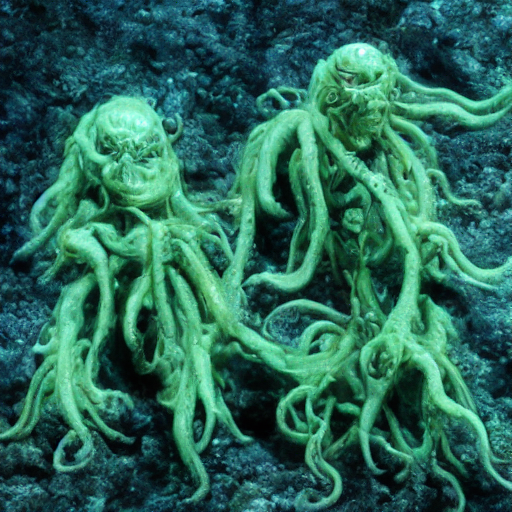
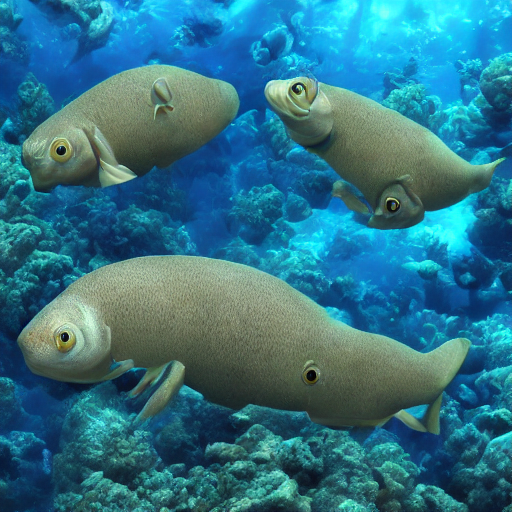
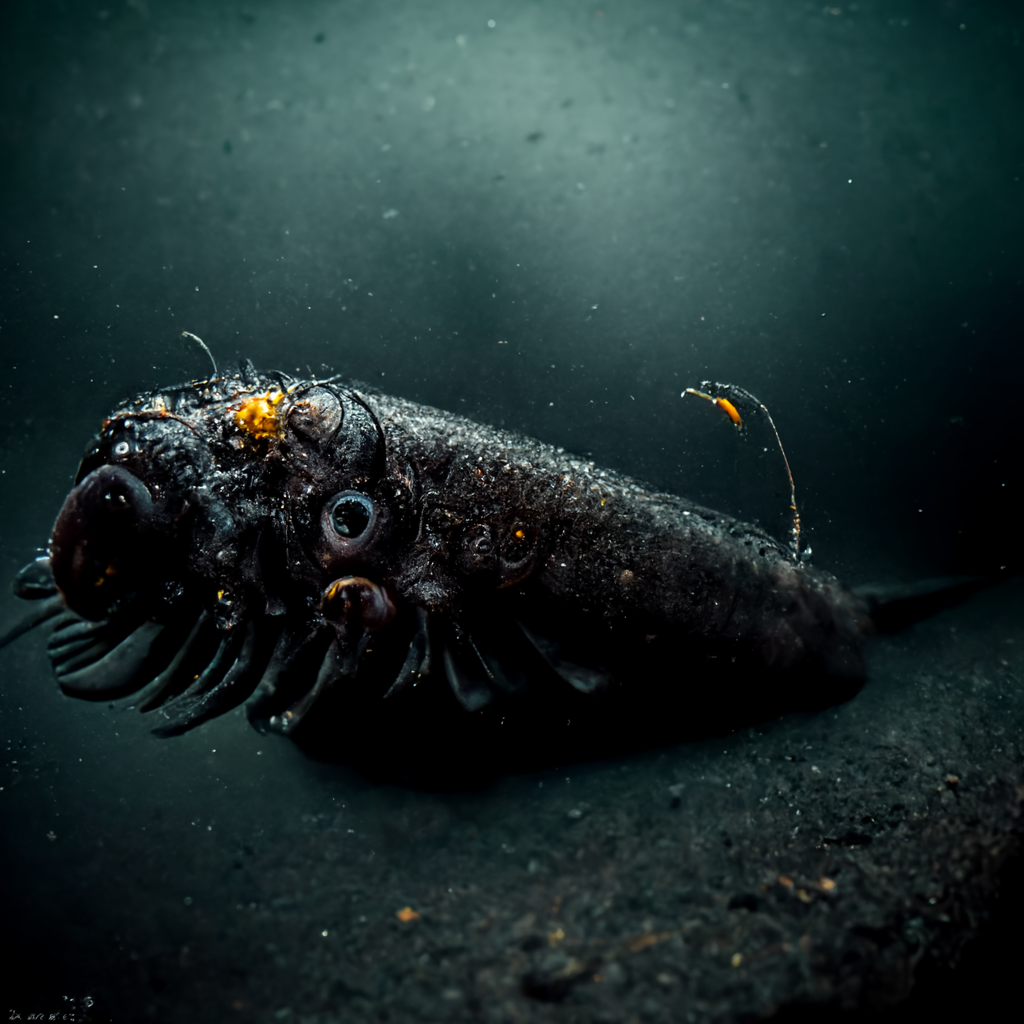
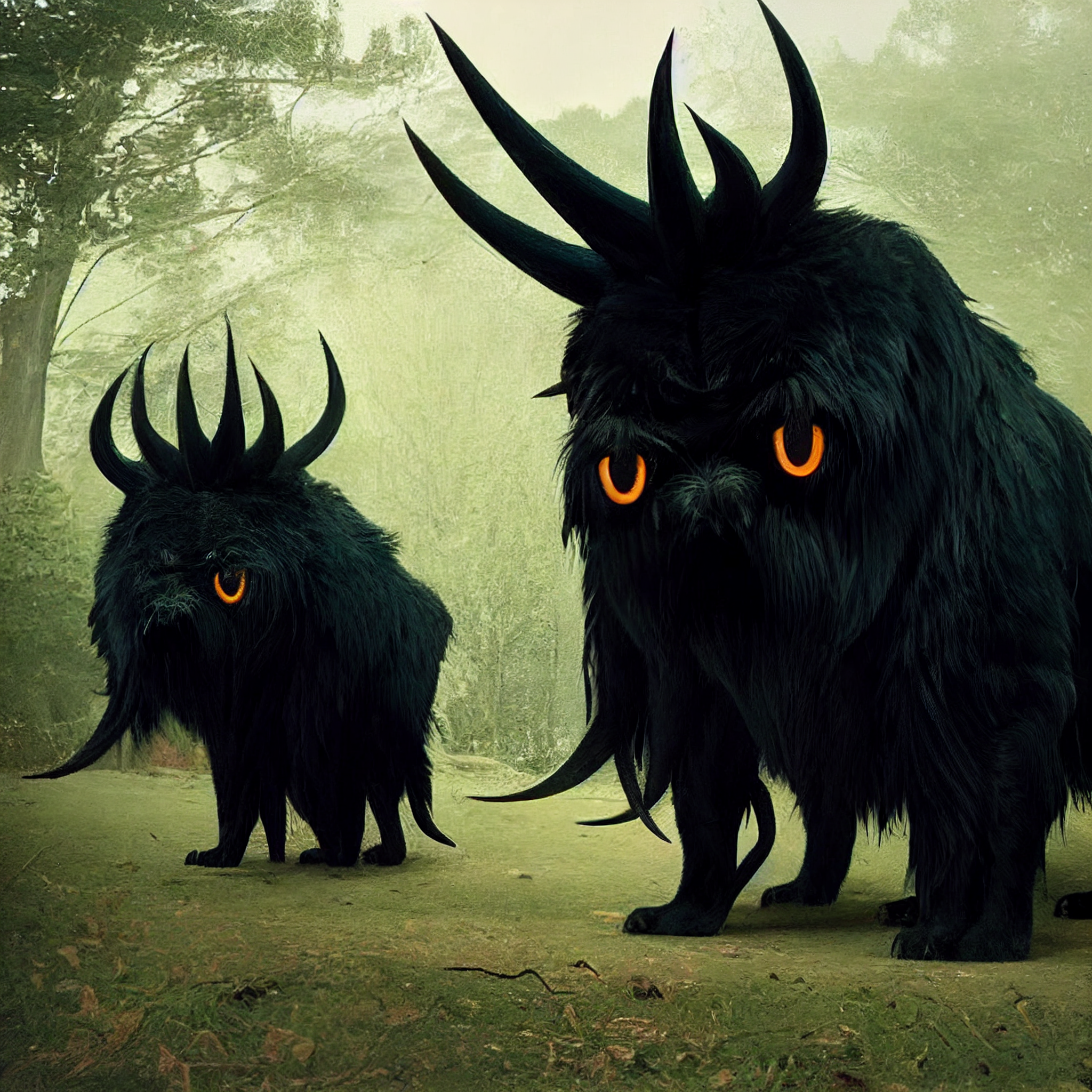
#009 Rappariffian

Rappariffians have never had a confirmed sighting, but cultures throughout history have always told stories of some form of them, albeit with different names. These spectral presences weave themselves through dimensional planes, occasionally passing through our physical dimension. Stories are inconsistent on whether they're completely silent or screaming banshees.

Release Date January 05, 2022
Sign up for a free account to claim this creature as your own.

by Andrew
♥ 3

Discover other creatures

Explore an endless universe of ficticious life on NovelGens.
UNCOMMON

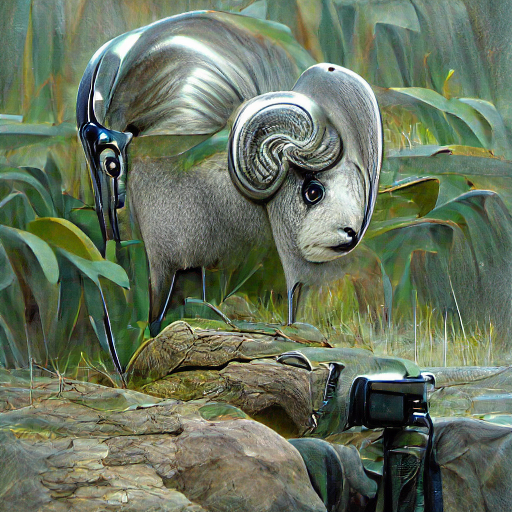
#138 Glorbon

Commonly mistaken as large, black boulders, glorbons rarely ever move except to subtly shape small cavities at the base of their bulbous body. They then secrete a sweet-smelling fragrance to lure small critters into the holes, where they are quick...

UNCOMMON

#152 Poxip

Poxips wander the deserts of the world during their remarkably-short lifetime for a creature of their size. They are covered in fluffy hair that provides shelter and warmth during the cold nights outside of their burrow. Poxips love to eat berries...

COMMON

#140 Fydern

The fydern is a green creature roughly the size of a human fingernail. It has twelve short legs and two wiggling antennae, which it uses to catch microscopic bugs. Its body is covered in a thick, greasy layer of skin and fat. If a fydern is taken ...

RARE

#191 Sabbi san

Sabbi san are a phylum of four-legged microscopic tardigrades first described by Austrian zoologist Robby Saab in 2195, who discovered them in a tainted cave water sample. Sabbi sans move quickly in water or on land with a gait that closely resemb...

UNCOMMON

#313 Koben

Kobens are small, furry creatures that have sharpened claws and retractable spikes on their backs. They are generally non-violent and don't attack humans unless provoked. They are foragers that search for food for most of the day, but also enjoy d...

RARE

#370 D'eggio

This fearsome matriarch stalks egg-laying creatures in swamps and wetlands until it finds the perfect time to strike, then takes over their prey's egg-laden nest as if it were their own. D'eggios will lay on top of eggs for days or weeks at a time...