COMMON

#173 Alu'fiku

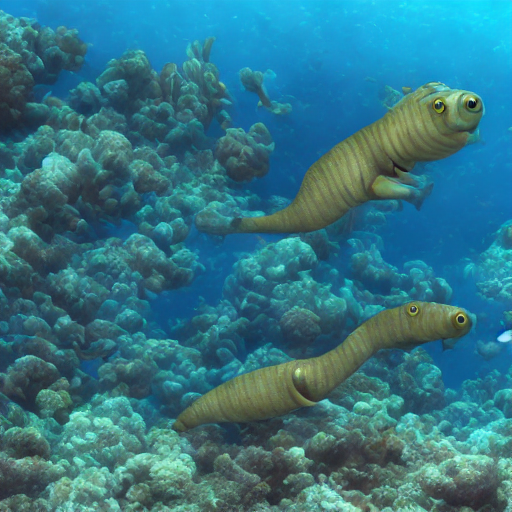
Alu'fiku are reef-dwelling fish most notable for their false "dorsal eye", which remains open while they sleep to help deter smaller predators. This is particularly helpful for alu'fiku because they sleep in open waters, coasting forward as if swimming, rather than hiding somewhere safe for their sleep. This lets the alu'fiku cover vast underwater distances in their sleep and migrate from reef to reef without too much difficulty.

Found in
Release Date June 18, 2022
Sign up for a free account to claim this creature as your own.

Discover other creatures

Explore an endless universe of ficticious life on NovelGens.

RARE

#039 Gundir

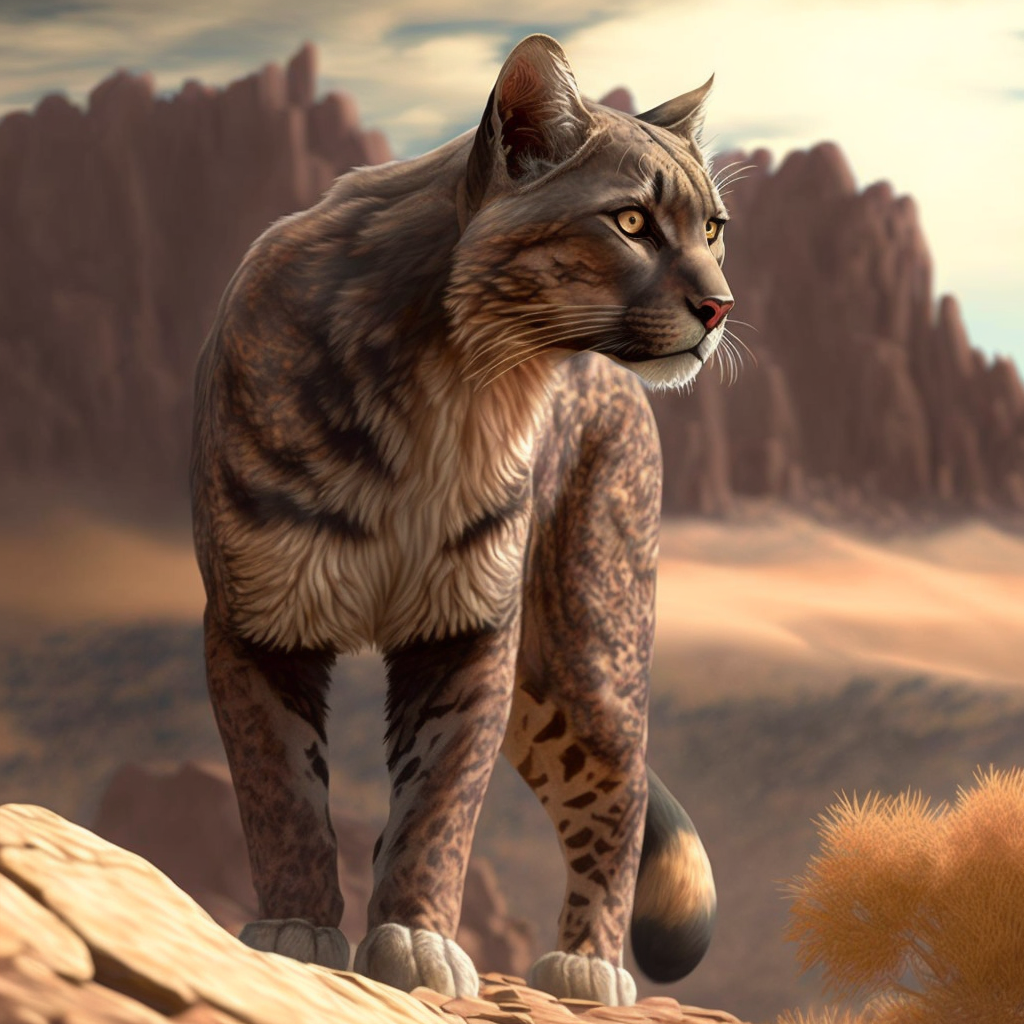
Gundirs are feared beasts of the furthest reachest north. They move quickly and quietly, using the pelts of their prey both to stay warm and remain cloaked under cover. They have been known to masquerade as animals for up to a week before ambushin...

RARE

#052 D'Geft

D'geft are stone elementals that pass freely through mountains and stone, living solitary lives. Catching a d'geft binds his will to yours, enabling the binding one to control that d'geft's powers as if they were your own. When d'geft die, their s...

RARE

#294 Qing'chi

Legends of the old qing'chi depict them as peaceful, fast, and incredibly intelligent. Although they were physically disproportioned by most standards, it's widely believed that their large head was the precursor to developing multiple interspecie...

RARE

#181 Gigganda

Gigganda are large, mountain-dwelling mammals covered in scales and thick patches of fur, which protect them from both freezing winters and boiling summers. They patrol their mountain dutifully, keeping an inventory of which creatures are on the i...

UNCOMMON

#299 Galla sprii

The galla sprii's official origin is unknown, but scientists believe it was genetically created centuries ago for use in agriculture. Galla sprix are hulking, two-headed mammals that keep a strict, independent diet per head. Farmers nowadays use t...

UNCOMMON

#284 Senjfisk

Senjfisk use thousands of microscopic limbs to move sand around them, enabling them to effectively swim through sand and loose dirt. These nocturnal carnivores also undergo a biological stasis while sleeping, which completely stops all but their m...