UNIQUE

#356 Ashkmagn

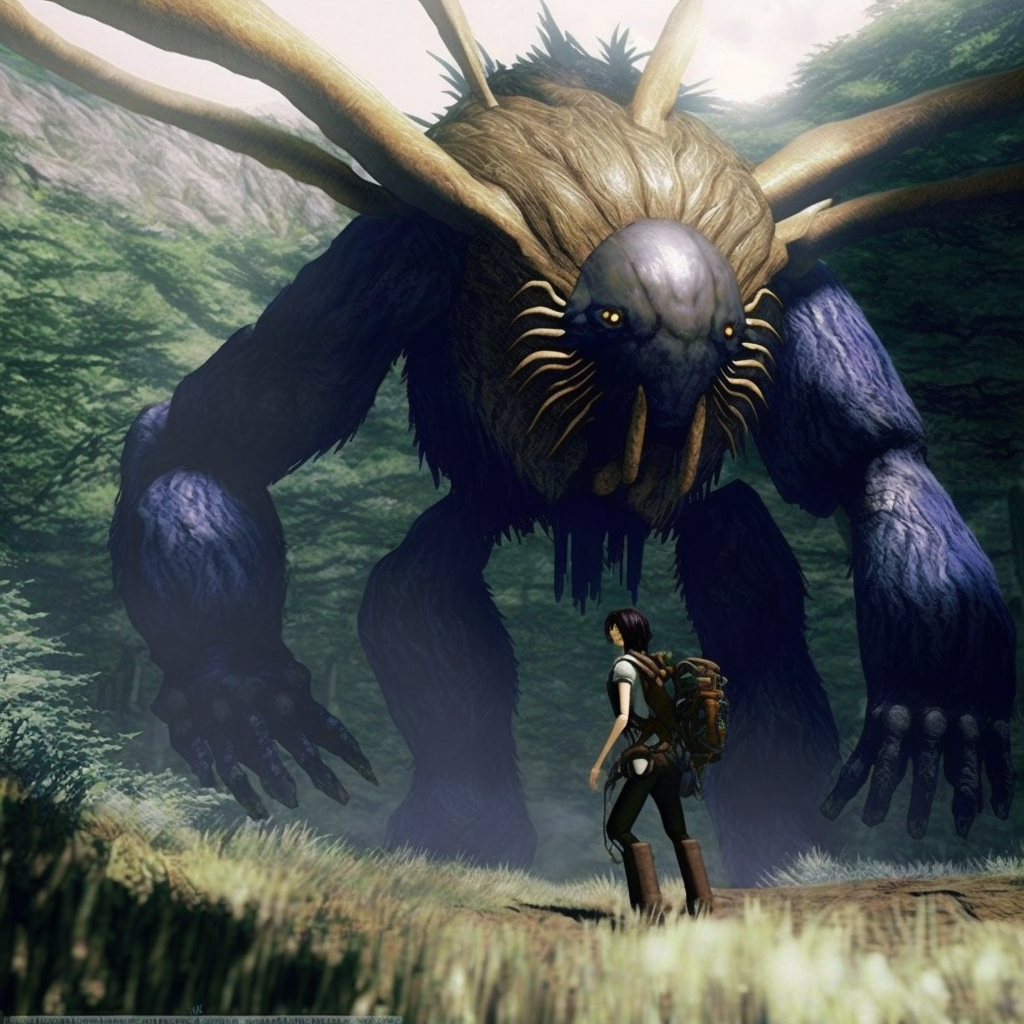
There are ten known ashkmagn, and they all reside within the same volcanic cavern, which they are aggressively territorial about. This endangered species is intelligent and capable of complex speech. Although they seem to understand several human languages, there has been only one confirmed instance of an ashkmagn ever speaking to a human who lived to tell the tale.

Found in
Release Date December 18, 2022
Sign up for a free account to claim this creature as your own.

Discover other creatures

Explore an endless universe of ficticious life on NovelGens.
RARE

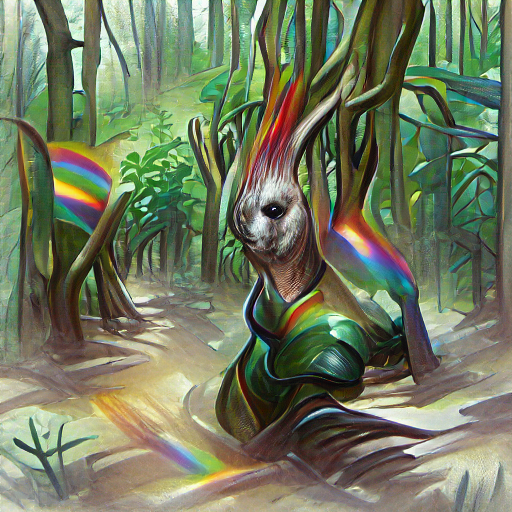
#058 Forrest

Forrests are ghostly entities that inhabit jungles and forests. They are largely transclucent and intangible, typically only able to affect the world through moving wind. In the foggiest nights, a forrest can be seen with the naked eye. Locals oft...

UNCOMMON

#069 Seullen

Seullen are large, humanoid predators that contort their bodies into the optical illusion of a large bird to lure in and pick a fight with other large predators. Nearby villages can hear the tell-tale sounds of these fights from the haunting laugh...

COMMON

#240 Bargrim

The bargrim is a small, nocturnal creature which is native to the forests of the world. It may look like an ordinary butterfly when it is resting, but its natural camouflage belies its fearsome nature. It has sharp teeth, tough scales, and can qui...

COMMON

#315 Tableu

Tableu are artificial, lab-designed mammal-likes that were designed for domestication into dense populace housing. Tableu are known for their eponymous "table", a hardened appendage on top of their head that they perpetually hold perfectly paralle...

COMMON

#228 Agriot

Agriots are long, thin beetles with bright orange wings. They are primarily nocturnal, and spend their days sleeping in the hot desert sands; they will spend the night flying and catching insects in their long, thin pincers. Agriots tend to live b...

COMMON

#307 Kubup

Kubups are brightly-colored arboreal creatures that can jump up to 100 feet high. They are an important part of forest ecosystems, as they feed on dead tree leaves and recycle them into nutrients for the trees. They typically climb to the very top...