COMMON

#056 Bertuisk

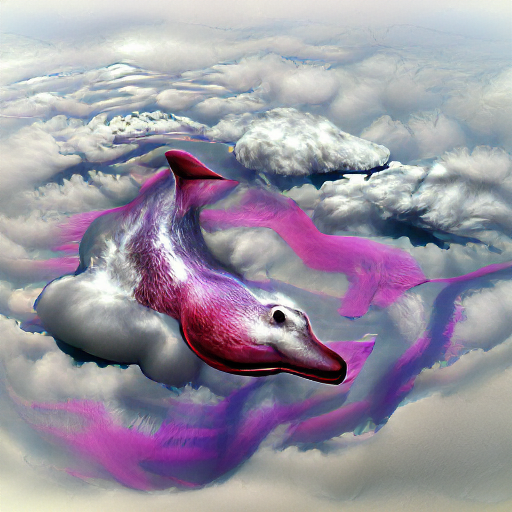
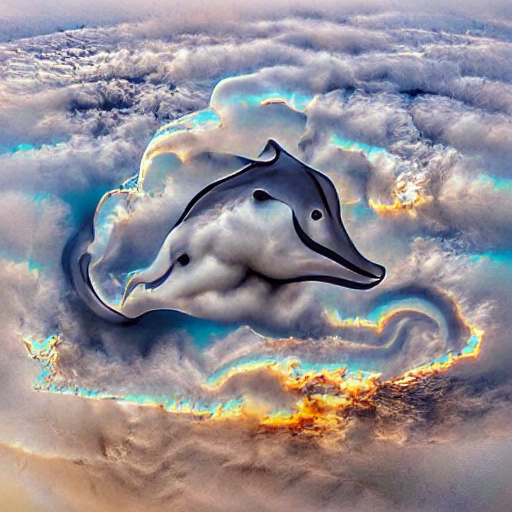
Bertuisks are large airfish that live above the clouds in large schools. Although they largely stay out of sight and move from area to area with the clouds, some cities will mount air attacks on the giant fish to keep too many from clustering. A single bertuisk typically feeds a whole city for a week.
Found in
Release Date February 21, 2022
Sign up for a free account to claim this creature as your own.

by NovelGens

Discover other creatures

Explore an endless universe of ficticious life on NovelGens.

UNCOMMON

#007 Merm

Merms live in small groups, typically in the deepest reaches of the western oceans. They seem closely related to a potential aquatic fork of human evolution, but scientists haven't yet developed a way to communicate with them.

RARE

#012 Val'anur

The val'anur is a monstrous beast of the tundra. What it lacks in speed it makes up for in determination and force. Val'anurs never sleep, which allows them to chase their prey indefinitely. Their gigantic paws sport deadly claws that tear exhaust...

COMMON

#113 Vune Ballow

Small vune ballow dragons are commonly found throughout the world. They are covered in beautifully prismatic scales and are able to fly short distances, but tire quickly. Depending on the color of their eyes, they can typically breathe a small amo...

COMMON

#043 Volcrano

Every volcano has at least one volcrano maintaining it. They do their best to keep out of sight but volcranos are bulky and slow. Volcanos as a species have been fate-bound to feed the volcanic lava until the end of time in order to keep it from s...

UNIQUE

#241 Witango

Witango are large, sturdy crystalline beasts that spend most of their days laying down and enjoying a warm bath in temperate swampwater. They have a hard time getting out of their baths because they are so comfortable, so they employ the help of t...

COMMON

#349 Flayansk

The flayansk originates in the far north, in the freezing highlands of Cotsk. Flayansk vary wildly in size throughout their life, growing quickly from the size of rodents to the size of large boulders, then eventually shrinking back to microscopic...